
Vietnam handles roughly 18 million international visitors annually, and the reasons it has consistently attracted them are not difficult to articulate. The country stretches 1,650 kilometers from the Chinese border in the north to the Mekong Delta in the south, and within that distance it offers the karst seascape of Halong Bay, the Imperial capital at Hue, the trading port of Hoi An, the highland minority culture of Sapa and Ha Giang, the colonial elegance of Hanoi, the working modernity of Ho Chi Minh City, and the river-network economy of the Mekong Delta.
The food is consistently good at every price level. The infrastructure for travel is solid and improving. And the cultural depth: 4,000 years of recorded history, two of the most significant 20th-century wars in Asian history, a complex multi-ethnic society, rewards travelers who want substance behind the scenery.
The country has changed substantially in the past decade. Expressway construction has cut driving times across the country significantly. The 2025 administrative consolidation merged some provinces, redrawing several maps. International flight connections have expanded across the region. None of this changes the fundamental shape of a Vietnam itinerary, but it does mean that some itineraries that once required a week now require five days.
Where Is Vietnam Located?
- Capital: Hanoi
- Largest city: Ho Chi Minh City (Saigon)
- Administrative unit: 3321
- Before 2025 Vietnam provincial merger: 63 provinces
- After 2025 Vietnam provincial merger: 27 provinces and 7 municipal cities
- Area: 331.307 km²
- Official language: Vietnamese
- Currency: Vietnamese Dong (VND); approximately 25,000 VND to 1 USD
- Population: About 102.32 million
- Population density: 309 person/km²
- Time zone: ICT (UTC+7)
- Country code: +84
- UNESCO World Heritage Sites: 8 cultural and natural sites including Halong Bay, Hoi An, Hue, My Son, Trang An, Phong Nha-Ke Bang
- Emergency: 113 (police); 115 (ambulance)
Vietnam is situated in Southeast Asia along the eastern coast of the Indochinese Peninsula. It is located in the Northern and Eastern hemispheres of the Earth.
Visa and Entry for Vietnam
Vietnam has progressively liberalized its visa policy in the past few years, and the entry options as of 2026 include:
- Visa exemption (15 days): For nationals of several Western European countries, Japan, South Korea, and a few others. No advance application required.
- Visa exemption (45 days): For nationals of selected countries under bilateral agreements expanded in recent years.
- E-visa (90 days, single or multiple entry): Available to nationals of over 80 countries through the official portal at evisa.xuatnhapcanh.gov.vn. Processing typically takes 3 to 5 business days; the cost is USD $25 (single entry) or USD $50 (multiple entry).
- Visa on arrival: Available for travelers with a pre-approved letter from a registered tour operator. Less common since the e-visa expansion.
Verify your specific nationality’s current entry requirements at the official Vietnam Immigration Department portal before booking. The visa rules have changed several times in recent years and continue to evolve.
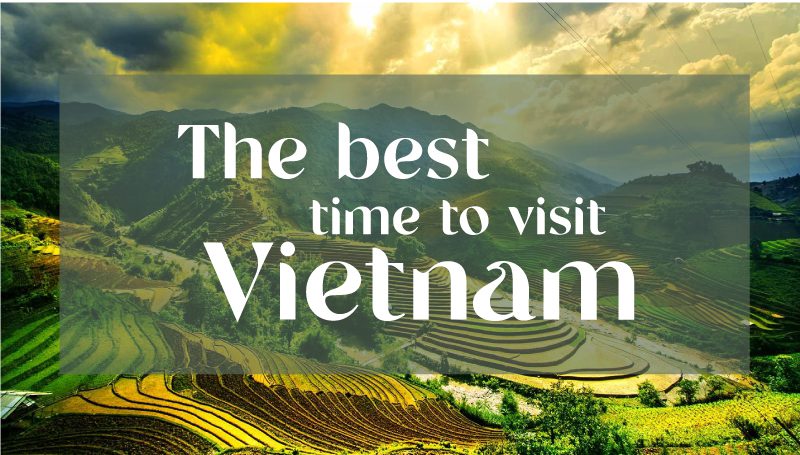
Best Time to Visit Vietnam by Region
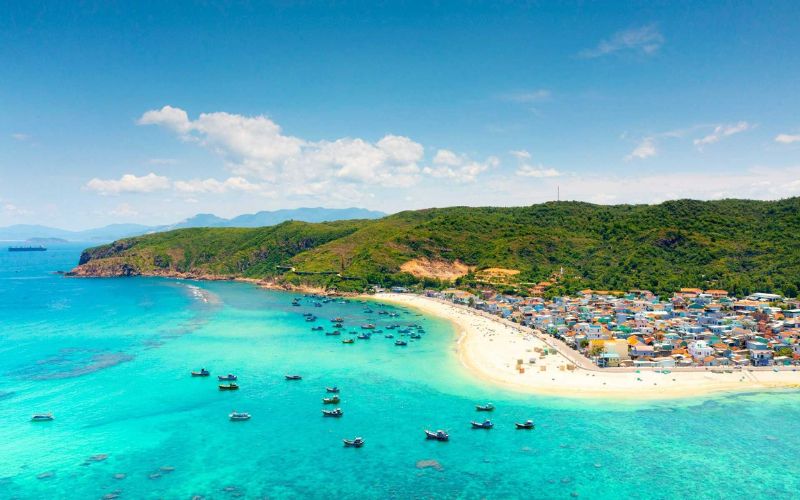
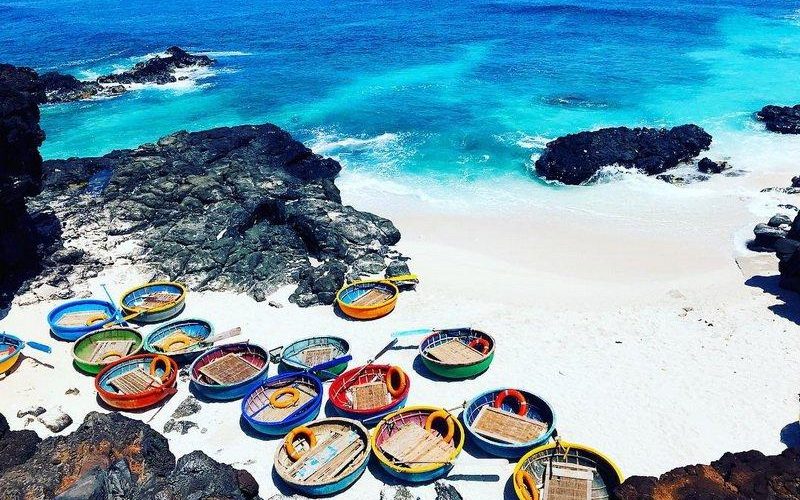
Quy Nhon Beach, Vietnam
Vietnam’s climate varies significantly across its length, which makes a single “best time” impossible. The country has three distinct climate regions:
| Region | Best Months | Notes |
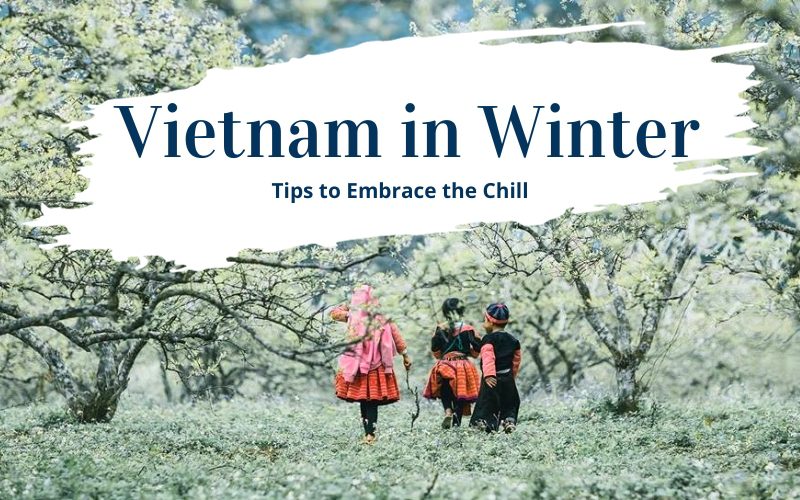
| North (Hanoi, Halong, Sapa, Ha Giang) | Oct – Apr | Cool and dry; Sapa cold in winter |
| Central (Hue, Hoi An, Da Nang, Quang Binh) | Feb – Aug | Avoid Sep – Nov (rainy season, flood risk) |
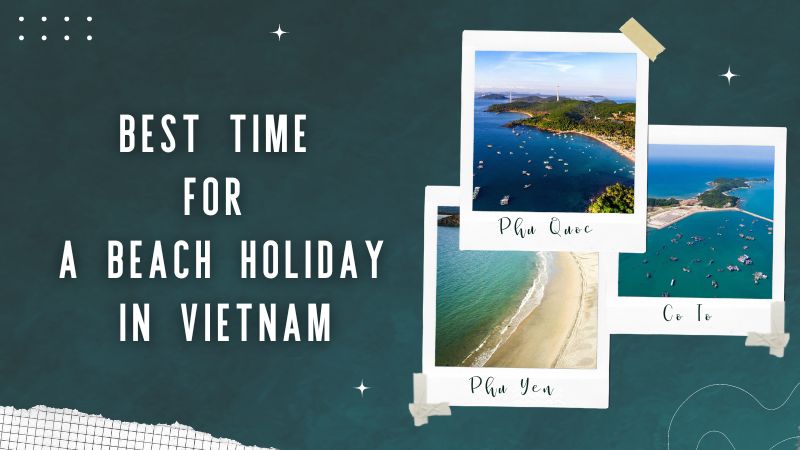
| South (HCMC, Mekong Delta, Phu Quoc) | Dec – Apr | Dry season; rest of year hot and rainy |
For travelers covering the full country in a single trip, February to April is the most consistently good window across all three regions, with the additional benefit of comfortable temperatures in the north (15 to 22°C) and dry conditions in the south.
How to Get to Vietnam
Main international airports: Noi Bai International Airport (HAN) serving Hanoi, Tan Son Nhat International Airport (SGN) serving Ho Chi Minh City, and Da Nang International Airport (DAD) are the three primary international entry points. All three receive direct flights from most major Asian capitals, multiple European cities, and some North American direct services.
Overland from Cambodia: The Moc Bai-Bavet crossing is the most used route, with direct buses from Phnom Penh to HCMC taking about 6 hours. The Chau Doc-Phnom Penh fast boat is a scenic river alternative.
Overland from Laos: Several border crossings connect Laos to Vietnam, with the most used being Lao Bao (near Hue/Quang Tri) and Cau Treo (Vinh).
Overland from China: The Lao Cai-Hekou and Mong Cai-Dongxing crossings connect northern Vietnam to Yunnan and Guangxi provinces. The Lao Cai crossing is most used by international travelers continuing to Sapa.
>>> Vietnam tours and multi-country Indochina itineraries cover all entry logistics and in-country transport.
Top Destinations in Vietnam
1. Hanoi
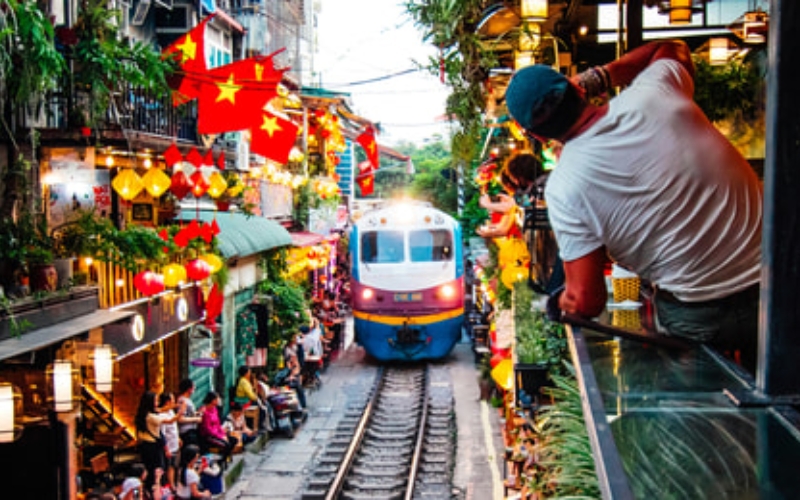
Train Street Hanoi, a unique urban spectacle
The capital and cultural center of the country, with the Old Quarter’s 1,000-year street pattern, French colonial architecture, and the most refined version of northern Vietnamese cuisine.
>>> See the full Hanoi travel guide.
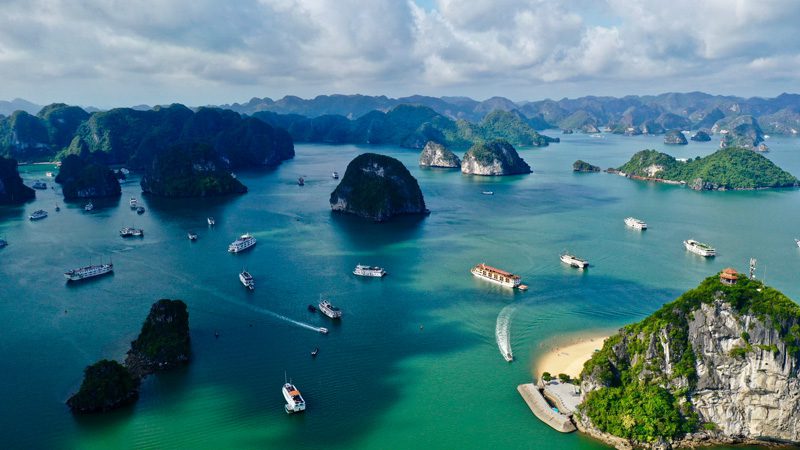
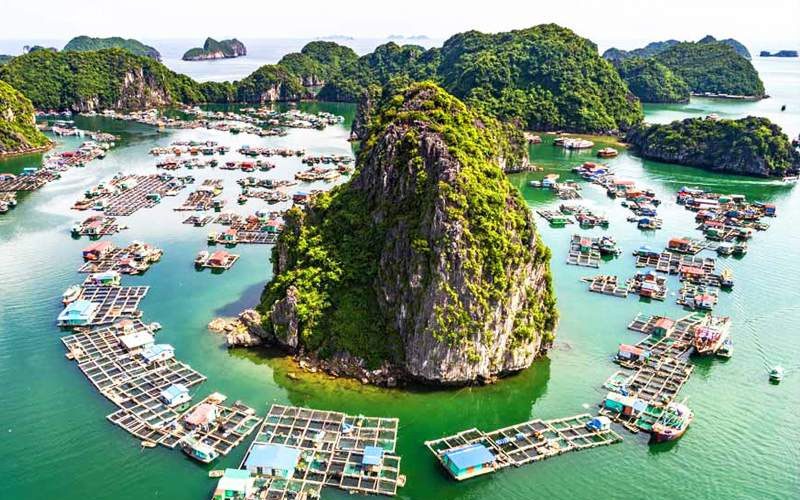
2. Halong Bay
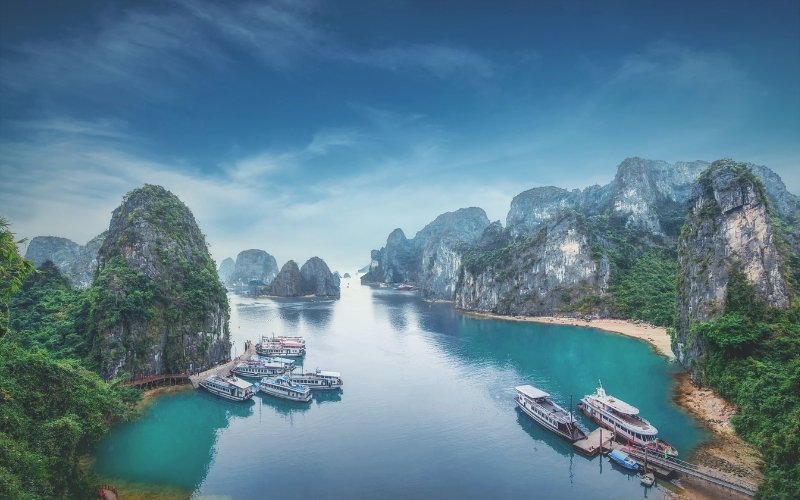
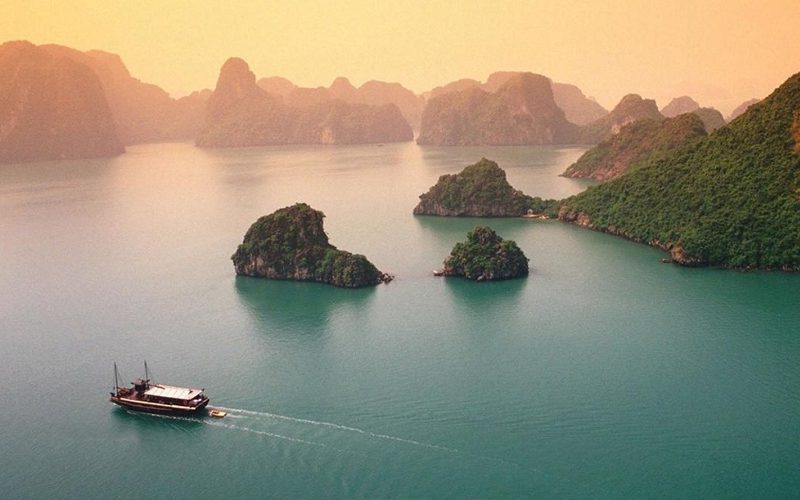
Majestic Ha Long Bay, where emerald waters meet towering limestone cliffs, offering one of Vietnam’s most breathtaking natural wonders.
The UNESCO karst seascape of 1,969 limestone islands, best experienced on an overnight cruise.
>>> See the Halong Bay travel guide.
3. Sapa and Ha Giang
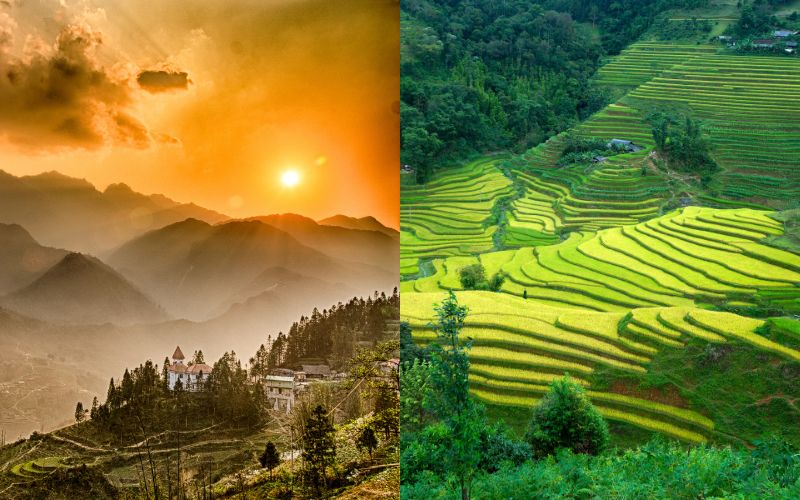
Sapa and Ha Giang in Vietnam
The northern highlands, with terraced rice fields, ethnic minority villages, and the Ha Giang Loop motorbike route.
>>> See the Sapa guide and the Ha Giang guide.
4. Hue, Da Nang, and Hoi An
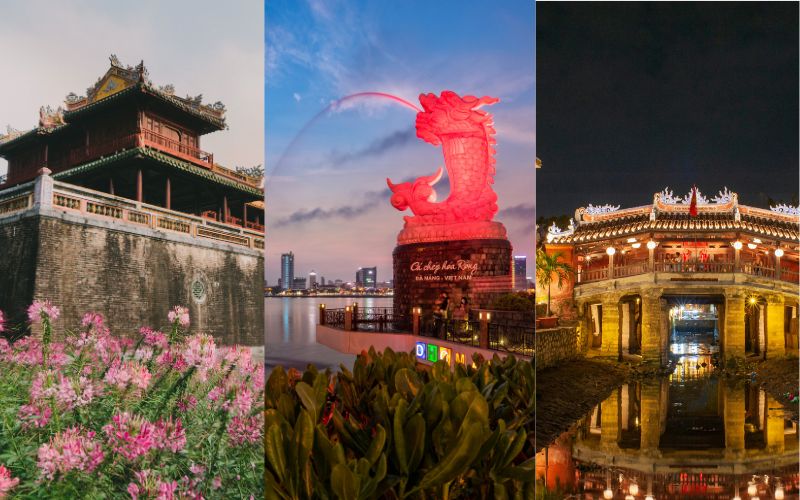
Hue, Da Nang and Hoi An (Da Nang) in Vietnam
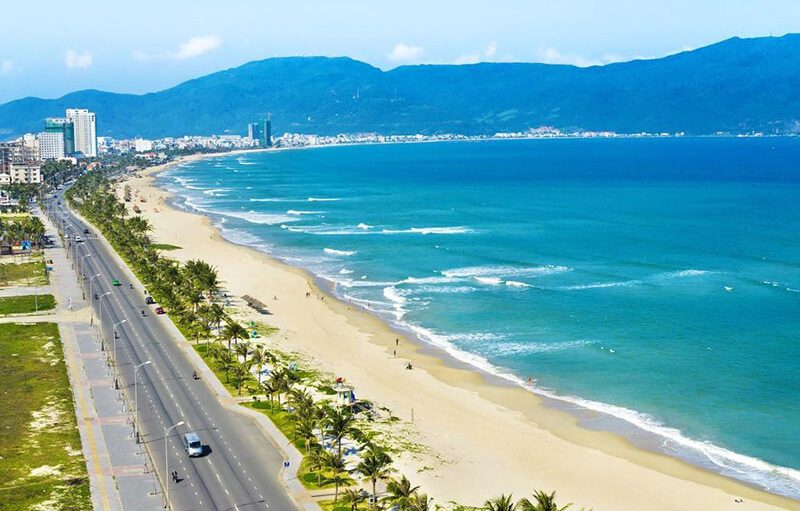
Central Vietnam’s heritage triangle: the imperial capital of Hue, the modern beach city of Da Nang, and the UNESCO ancient town of Hoi An, all within a 130-kilometer stretch.
>>> See the Hue guide, Da Nang guide, and Hoi An guide.
5. Ho Chi Minh City
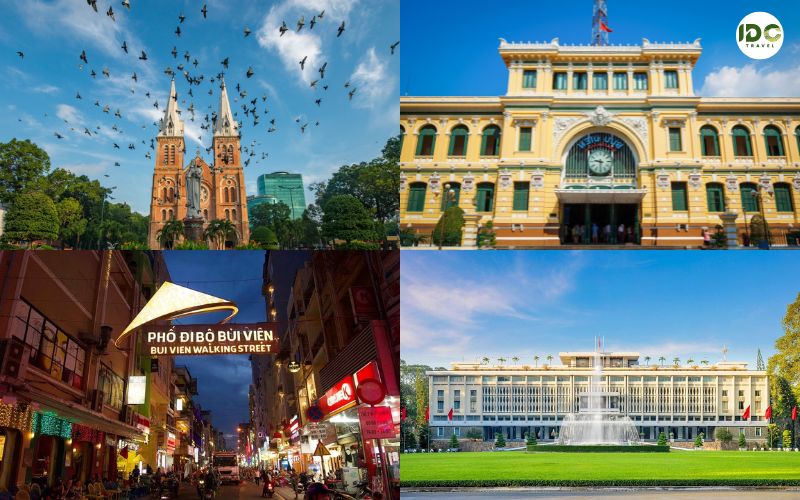
Ho Chi Minh City, Vietnam
Vietnam’s largest city and commercial center, with French colonial architecture, an exceptional food scene, and access to the Cu Chi Tunnels and the Mekong Delta.
>>> See the HCMC guide.
6. The Mekong Delta
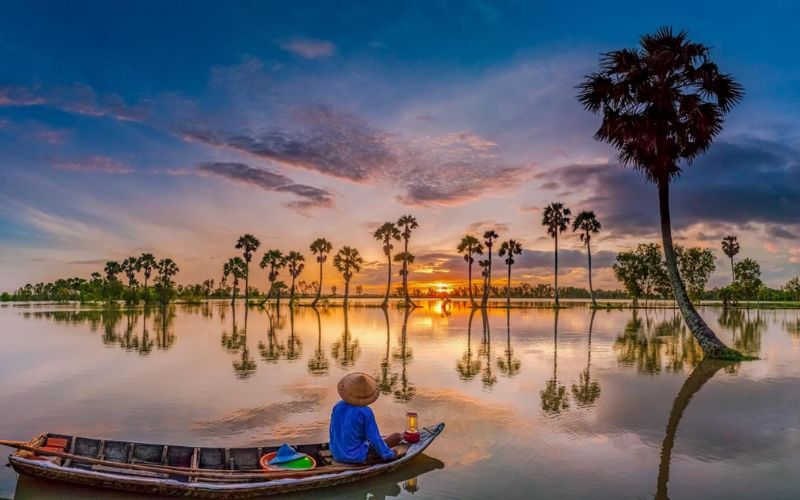
Mekong Delta – Vietnam
The southern river network of canals, floating markets, fruit orchards, and Khmer-influenced cultural communities.
>>> See the full Mekong Delta travel guide.
7. Phu Quoc
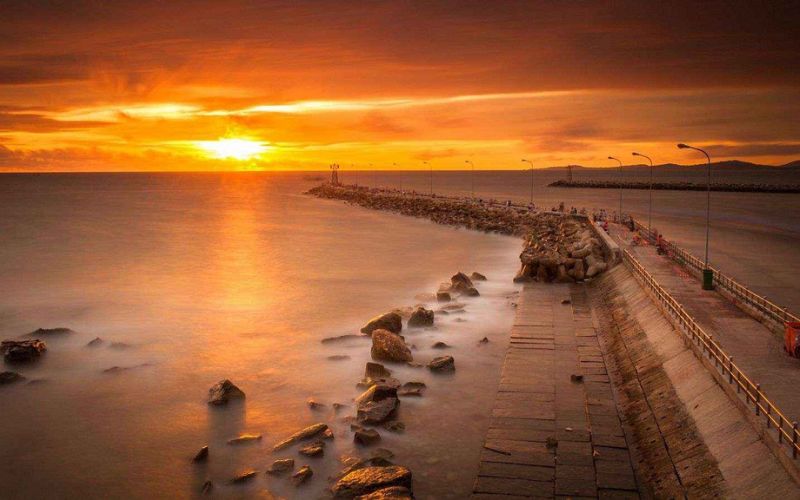
Warm sunset glow over Phu Quoc Island
Vietnam’s largest island, on the Gulf of Thailand, with white sand beaches and developed resort infrastructure.
>>> See the Phu Quoc guide.
Vietnamese Culture and Etiquette
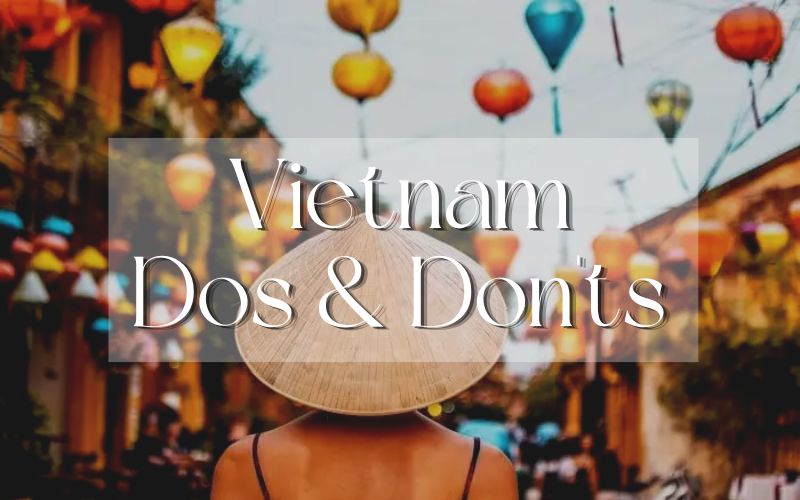
Vietnam has its own social codes, not rigid or difficult to follow, but worth knowing before you arrive. Most Vietnamese people are forgiving of unintentional missteps from foreign visitors, but a little awareness goes a long way toward being treated as a guest rather than a tourist.
| Situation | Do | Don’t |
| Entering a temple or pagoda | Remove shoes at the entrance; dress modestly (shoulders and knees covered) | Wear shorts or sleeveless tops inside the temple grounds |
| Greeting people | A slight nod or two-handed handshake is respectful; smile freely | Initiate hugs or kiss-on-cheek greetings with locals you’ve just met |
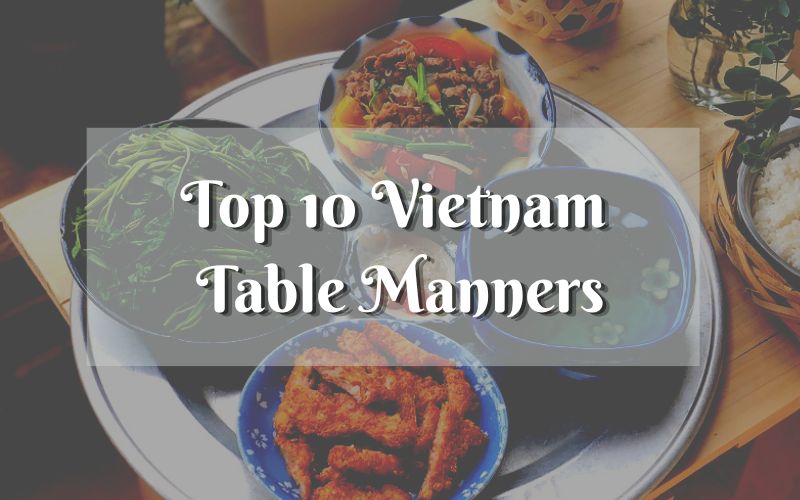
| Eating with a Vietnamese family | Wait for the eldest to eat first; try everything offered; say “cam on” (thank you) | Stick chopsticks upright in your rice bowl, it resembles incense for the dead |
| Bargaining at markets | Negotiate politely at street markets and souvenir stalls | Bargain aggressively at restaurants or in shops with fixed prices |
| Taking photos | Ask before photographing people, especially in minority villages | Point a camera at someone without asking, particularly ethnic minority women |
| Money and tipping | Tipping is appreciated but not compulsory; round up at local restaurants | Hand money with one hand only, use both hands or your right hand |
| Religious sites | Be quiet and respectful; follow signage on restricted areas | Touch or lean against Buddha statues for photographs |
| Family and age | Address older people respectfully; accept tea when offered | Lose patience or raise your voice , it causes serious loss of face for both parties |
One thing IDC Travel’s guides consistently mention: in northern Vietnam especially, the concept of “face” shapes social interactions in ways that aren’t always obvious. A direct “no” is often replaced with silence, a vague answer, or a change of subject. If you ask a question and the answer is non-committal, assume the real answer is no and move on gracefully.
Where to Stay in Vietnam
Vietnam’s accommodation options span the full range, and choosing the right base depends on what you’re there to do.
Hanoi: The Old Quarter puts you within walking distance of almost everything, with a wide range of options from budget guesthouses on Hang Bac and Hang Gai streets to boutique hotels in the French Quarter. The French Quarter (around Hoan Kiem Lake) tends to be quieter, more upscale, and better connected for business travelers. For longer stays, the Tay Ho (West Lake) area offers spacious apartments and expat-friendly amenities.
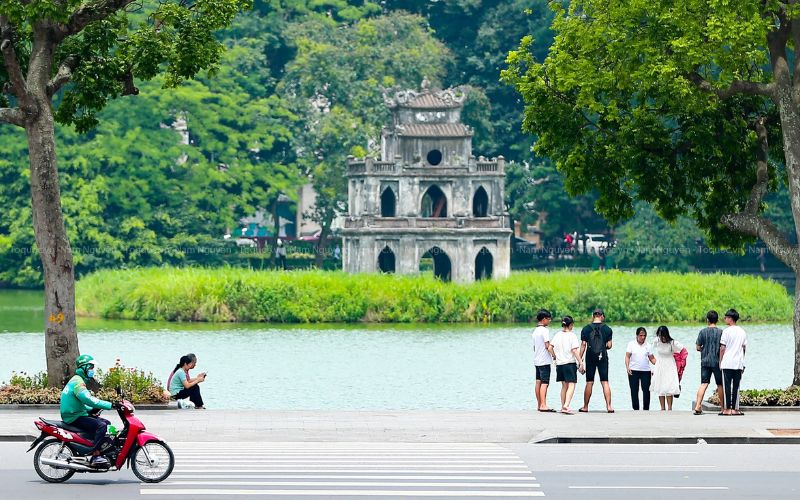
The peaceful early morning atmosphere along the Hoan Kiem Lake promenade, a favorite spot for locals and visitors in Hanoi.
Ha Long Bay and Ninh Binh: For Ha Long Bay, you stay on the cruise itself. For Ninh Binh, the Tam Coc village area has charming mid-range boutique properties with valley views; the town center is cheaper but less atmospheric.
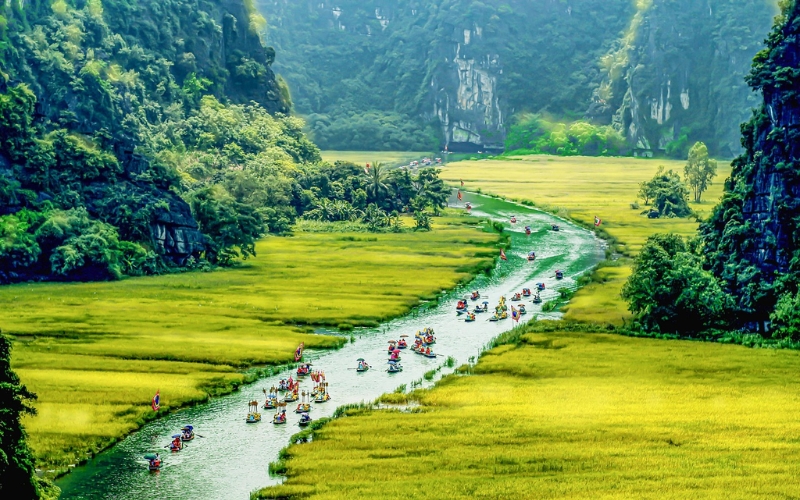
Scenic view of rice fields and karst mountains in Tam Coc, Ninh Binh
Hoi An: The Ancient Town area is the most atmospheric, though the oldest properties are inside a noise-generating tourist zone. Properties just outside the town boundaries or on An Bang Beach offer more peace at lower prices. The beach area is worth considering for those who want water access alongside the town.
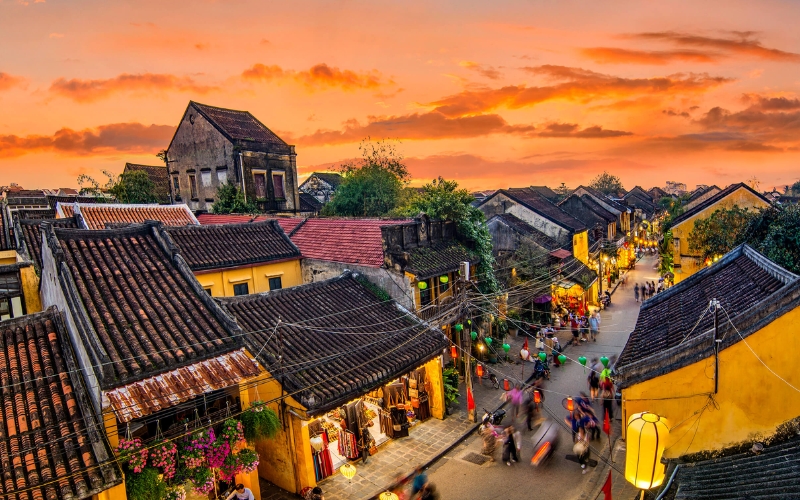
The enchanting sunset in Hoi An
Ho Chi Minh City: the centre (Sai Gon, Ben Thanh, Tan Dinh and Cau Ong Lanh wards) is the practical base for first-time visitors, with the full range of accommodation within a walkable radius of the main sights. Ban Co, Xuan Hoa and Nhieu Loc wards are quieter and slightly cheaper with good restaurant access. For longer stays, Binh Thanh or Thu Duc wards offer apartment-style comfort and a more local feel.
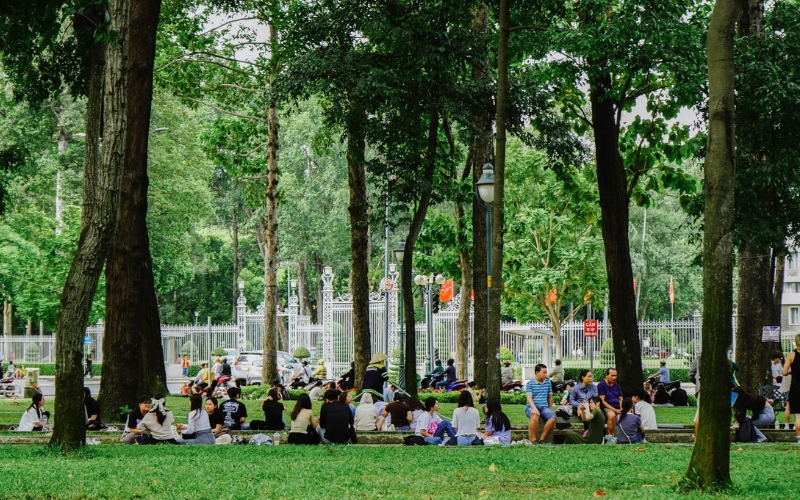
Experience Saigonese “sidewalk cafe” culture at the park
Beach destinations: Nha Trang’s beachfront is the standard base; Phu Quoc’s Long Beach has the widest mid-range selection; Mui Ne’s resort strip is stretched over 17 km, choose your section carefully based on what you want from the beach access.
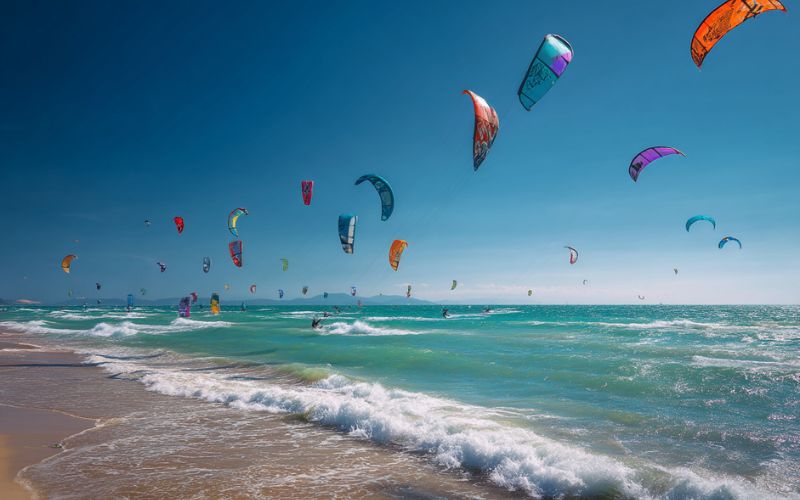
Muine Kiteboarding and Windsurfing
>>> Contact IDC Travel for current hotel recommendations and the best rates across all Vietnam destinations.
Vietnamese Food
Vietnamese cuisine is one of the world’s great culinary traditions, built on a principle of balance: sweet, sour, salty, bitter, and umami components arranged across a meal of multiple small dishes. The cuisine differs significantly by region: northern Vietnamese cooking is more restrained and uses less sugar; central Vietnamese (Hue, Hoi An) is the most complex, with strong court culinary traditions; southern cooking is sweeter and more herb-forward, influenced by Khmer, Chinese, and tropical agricultural abundance.
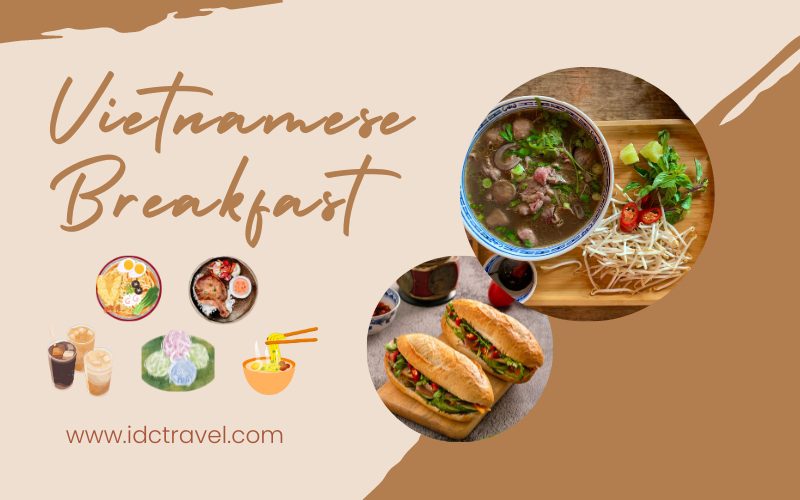
Pho is the most internationally known Vietnamese dish: rice noodles in a slow-simmered beef or chicken broth, with fresh herbs and lime added at the table. The Pho Bac (Hanoi version) is the original and uses a clearer, more restrained broth than the southern variations.
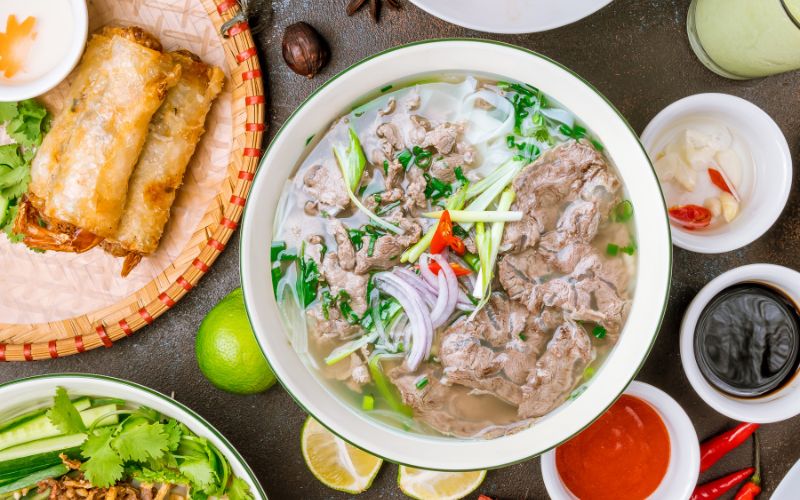
Pho bo (beef pho)
Banh Mi is the Vietnamese baguette sandwich, French colonial bread heritage filled with Vietnamese ingredients (pâté, pickled carrot and daikon, cilantro, chili, grilled or cured meats). The Banh Mi Phuong (Hoi An version) is particularly celebrated.
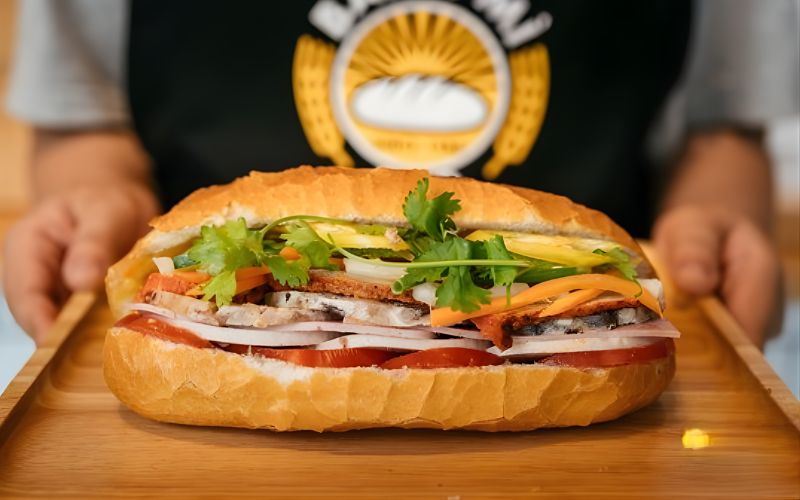
Crispy on the outside, packed with flavor inside. Banh mi is proof that Vietnam turns simple street food into something unforgettable.
Bun Cha is grilled pork patties served over rice vermicelli with fresh herbs and a sweet-sour dipping sauce, a Hanoi specialty.
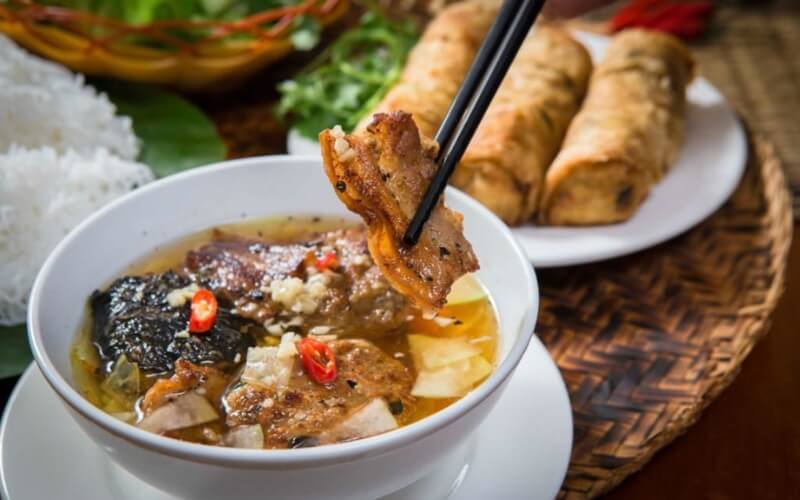
Bun Cha
Bun Bo Hue is Hue’s signature beef noodle soup with lemongrass and dried chili oil: spicier and more complex than “pho”.
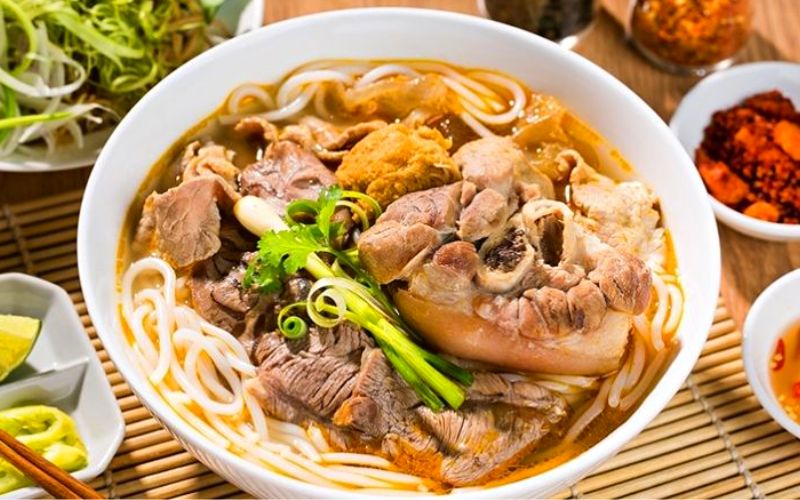
Bun Bo Hue is a flavorful and spicy specialty from Central Vietnam, beloved for its deep, aromatic broth and hearty toppings.
Cao Lau is the Hoi An noodle dish made using water from a specific ancient well in the town; the texture cannot be replicated elsewhere.
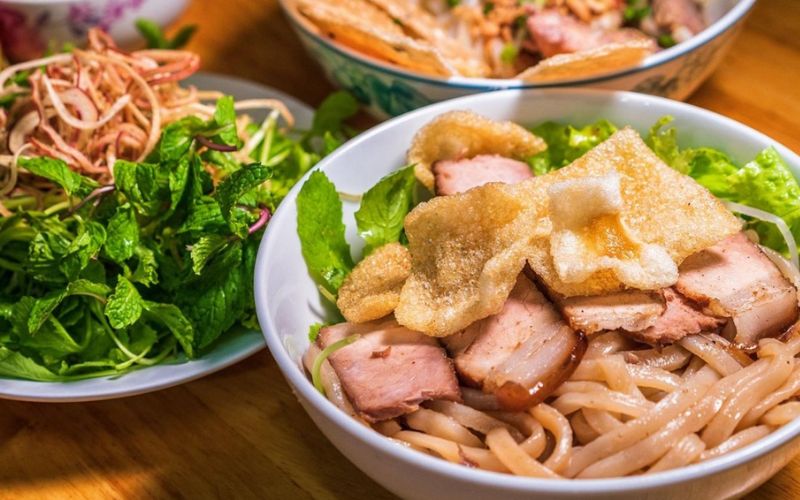
Cao Lau
How to Spend Your Time in Vietnam
Vietnam stretches nearly 1,650 km from north to south, and no single trip covers everything well. The best approach is to anchor your trip in one region or build a clear north-to-south (or south-to-north) route and follow it without doubling back. Below are IDC Travel’s tours by region and travel style to help you find the right fit.
By Region
1. North Vietnam covers Hanoi, Halong Bay, Sapa, Ha Giang, Ninh Binh, and the highland minority areas. It’s the most culturally layered part of the country, with the most diverse trekking and the most dramatic landscapes. Best from October to April.
>>> Browse all Northern Vietnam tours.
2. Central Vietnam covers Hue, Da Nang, Hoi An, Quang Binh (Phong Nha caves), and the central highlands. It’s the historical and culinary heart of the country, combining UNESCO heritage towns with the most accessible cave system in Southeast Asia. Best from February to August.
>>> Browse all Central Vietnam tours.
3. South Vietnam covers Ho Chi Minh City, the Mekong Delta, Phu Quoc, Mui Ne, and Nha Trang. It’s Vietnam’s most dynamic region, best for food, beach holidays, and river exploration. Best from November to April.
>>> Browse all Southern Vietnam tours.
Full-Country Routes
1. North to South in 14 Days
The classic Vietnam itinerary: start in Hanoi, cruise Halong Bay, fly south through the central heritage towns, continue to the beach coast, and finish in Ho Chi Minh City with a Mekong Delta extension.
Route: Hanoi → Halong Bay → Hue → Da Nang → Hoi An → Nha Trang → Ho Chi Minh City → Mekong Delta
>>> Book our Vietnam Beach Holiday in 14 Days now for the best price!
2. South to North in 21 Days
The reverse journey gives you the south’s warmth and river life first, then builds northward through the heritage coast to the highlands and Hanoi. This direction is especially good for travelers arriving into Ho Chi Minh City.
Route: Ho Chi Minh City → Mekong Delta → Da Lat → Nha Trang → Hoi An → Hue → Da Nang → Hanoi → Halong Bay → Sapa
>>> Try this Panorama of Vietnam 20 Days: South to North now!
3. North to South in 21 Days
For travelers with three weeks, the full north-to-south circuit adds the ethnic minority highlands, the central caves of Quang Binh, and more time in each destination without the pace feeling pressured.
Route: Hanoi → Sapa → Ha Giang → Ninh Binh → Hue → Da Nang → Hoi An → Quy Nhon → Nha Trang → Da Lat → Ho Chi Minh City → Mekong Delta
>>> You want to experience the North first? Try Unique Vietnam 16 Days from Northeast!
Golf Tours
Vietnam has over 100 golf courses, with the highest concentration in the south (Ho Chi Minh City, Da Lat, Phan Thiet) and along the central coast (Da Nang, Hoi An). Courses like BRG Danang Golf Resort, Montgomerie Links, and Vietnam Golf and Country Club regularly appear in Asia’s top-ranked lists.
>>> Check this Southern Vietnam Golf Holiday 5 Days or browse all Vietnam Golf Tours here!
Estimated Travel Costs in Vietnam
Vietnam offers one of the widest budget ranges in Southeast Asia. The north (Hanoi, Sapa, Ha Giang) and the central coast (Hue, Hoi An, Da Nang) are moderately priced; the south (HCMC, Phu Quoc, Mui Ne) can push higher at the luxury end. Internal flights are cheap and frequent, making a north-to-south circuit very manageable.
Prices below are USD estimates covering travel across Vietnam. Individual destinations vary, see destination-specific guides for local detail.
| Category | Budget | Mid-Range | Luxury |
| Accommodation (per night) |
$8 – $20 | $25 – $80 | $100 – $400+ |
| Meal per person | $1 – $4 | $5 – $15 | $18 – $60 |
| Domestic flight (per sector) |
$20 – $50 | $40 – $80 | $80 – $200 |
| Long-distance bus / sleeper train | $5 – $15 | $12 – $30 | $30 – $70 |
| Local transport (Grab, per trip) |
$0.50 – $2 | $2 – $6 | $5 – $15 |
| Major attraction entry | $0.50 – $5 | $2 – $10 | $5 – $20 |
| Guided day tour | $15 – $30 | $35 – $80 | $100 – $300 |
| Visa (e-visa, most nationalities) |
$25 | $25 | $25 |
| Total 5-day trip | $150 – $300 | $400 – $850 | $900 – $2,500 |
| Total 7-day trip | $200 – $420 | $550 – $1,200 | $1,200 – $3,500 |
| Total 14-day trip | $400 – $840 | $1,100 – $2,400 | $2,400 – $7,000 |
Internal flight costs are highly variable by route, season, and booking lead time. Tet (Vietnamese New Year) significantly increases all transport and accommodation costs nationwide. International flight costs are not included. Always recheck costs at time of booking.
Vietnam Travel Tips
- Internet access: Vietnam does not block major Western internet services. Mobile data SIM cards from Viettel, Vinaphone, or Mobifone are inexpensive and widely available at the airport on arrival.
- Cash and cards: ATMs are widespread in cities; international cards work. Carry VND cash for markets, street food, and smaller towns. USD is accepted at some tourist-facing businesses but not generally for daily transactions.
- Grab works in all major Vietnamese cities and is the most practical transport option for visitors.
- Crossing the street: Vietnamese traffic feels chaotic to newcomers. Walk at a steady, predictable pace; motorbikes will flow around you. Sudden stops or changes of direction are what cause accidents.
- Tipping is not customary but increasingly common in tourist contexts. 10% at restaurants is appreciated but not expected. Tour guides are typically tipped USD $5 to $10 per day.
Plan Your Vietnam Trip with IDC Travel
IDC Travel is a Vietnam-based tour operator with Vietnam tours ranging from 5-day single-region itineraries to 21-day country-wide circuits. Multi-country Indochina tours combine Vietnam with Cambodia, Laos, and Thailand. Contact our team for a custom itinerary.
Top Vietnam Destinations
Vietnam Food & Drink
Vietnam History & Culture


How to Plan a Trip to Vietnam

Start planning your tailor-made tour with 1-1 help from our travel advisors.
- Plan your tailor - made trip with a local expert
- Book securely with money-back guarantee
- Travel stress-free with local 24/7 support