


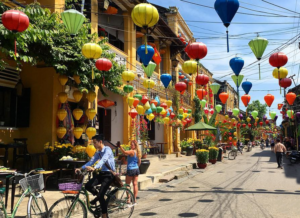
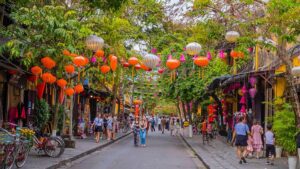
Hoi An tours are designed for travelers who want to experience Vietnam at a slower, more human pace. Located in central Vietnam, Hoi An combines a remarkably preserved ancient town, nearby beaches, island nature reserves, and easy access to Da Nang’s modern attractions. This landing page helps you understand when to visit Da Nang and Hoi An, what places are truly worth seeing, and which local dishes define the region, based on the tour programs currently featured on IDC Travel’s Hoi An Tours collection.
The best time to visit Da Nang and Hoi An is from February to April. During these months, the weather is dry, mild, and comfortable, making it ideal for walking through Hoi An Ancient Town, sightseeing in Da Nang, and taking day trips to nearby attractions. Humidity is lower, temperatures are pleasant, and sea conditions are generally calm.
From September to November, central Vietnam experiences its rainy season, with frequent heavy rainfall and occasional flooding in Hoi An. Typhoons can affect both Hoi An and Da Nang during October and November, sometimes limiting access to historical sites. Summer months from May to July are hot and busy with domestic tourism, especially in Da Nang.
>>> Read more: The best time to visit Vietnam
The best places to visit in Da Nang and Hoi An include ancient heritage sites, mountain resorts, beaches, islands, and cultural landmarks. Most tours in this region are designed to balance history, nature, and relaxation, allowing travelers to explore both Hoi An’s traditional charm and Da Nang’s surrounding landscapes.
The Golden Bridge is the most iconic modern attraction in Da Nang. Located at Ba Na Hills, this architectural landmark appears to be held by two giant stone hands and offers panoramic views of the Truong Son Mountains. Since its debut, the bridge has become one of Vietnam’s most photographed structures and a highlight of Da Nang day tours.
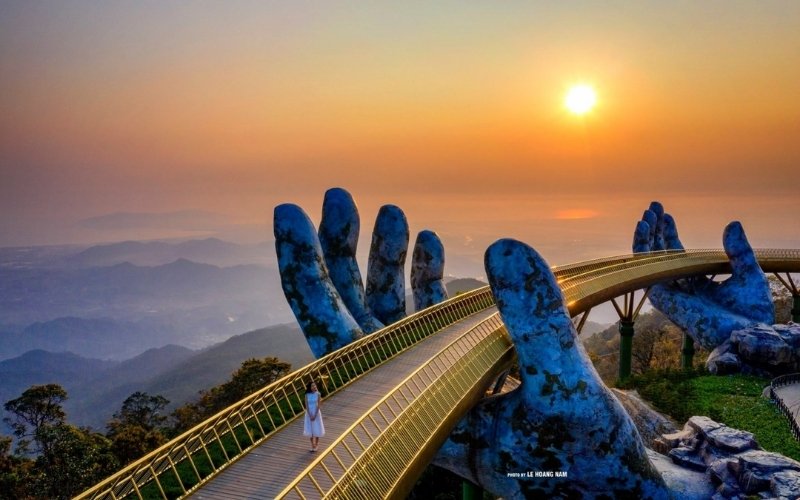
The breathtaking Golden Bridge in Ba Na Hills, Da Nang
>>> Recommended tour: Ba Na Hills & Golden Bridge Full Day Tour
Ba Na Hills is a mountaintop resort complex combining nature, entertainment, and colonial history. Situated about 42 kilometers from Da Nang city center, Ba Na Hills was first developed by the French in 1919 and is often referred to as the “Da Lat of Central Vietnam”. Today, it features cable cars, landscaped gardens, European-style architecture, and year-round cool temperatures.
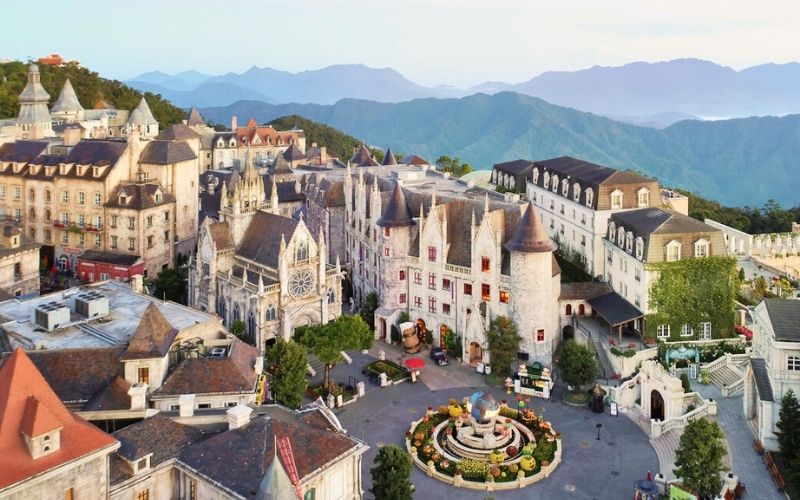
French Village in Ba Na Hills
My Son Sanctuary is the most important archaeological site of the ancient Champa civilization in Vietnam. Dating from the 2nd to the 17th centuries, this complex of Hindu temple ruins was recognized as a UNESCO World Heritage Site in 1999. A visit to My Son offers valuable insight into Champa culture, religion, and architecture, distinct from Vietnamese and Chinese influences.
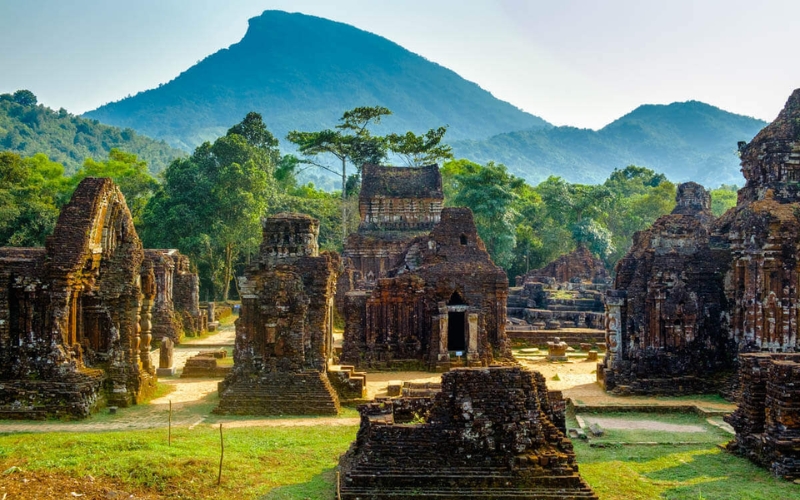
The ancient ruins of My Son Sanctuary
The Japanese Covered Bridge is Hoi An’s most recognizable historical landmark. Built in the late 16th century by Japanese merchants, the bridge once connected Japanese and Chinese communities within the town. Today, it stands as a symbol of Hoi An’s multicultural trading past.
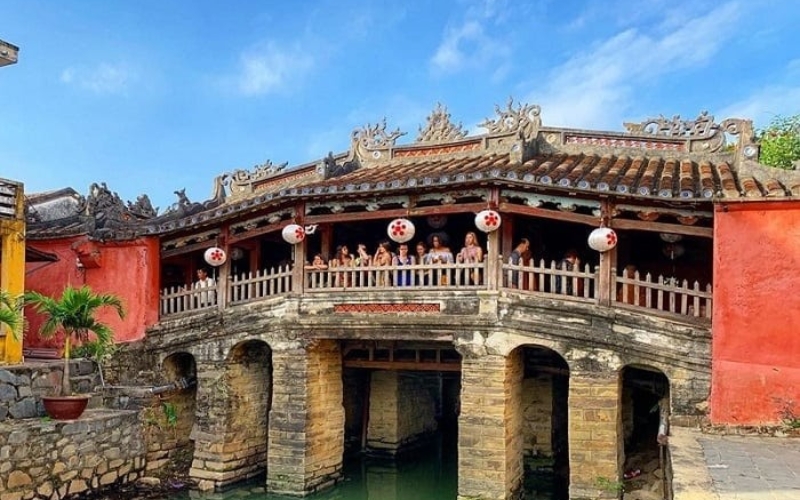
Japanese Covered Bridge, the timeless symbol of Hoi An
>>> Recommended tour: Full Day Tour My Son Sanctuary From Hoi An
Tan Ky Old House is the best-preserved ancient residence in Hoi An. This 200-year-old family home has been passed down through seven generations and reflects a blend of Vietnamese, Chinese, and Japanese architectural styles. Its clever flood-adaptation features reveal how locals historically lived with seasonal flooding.
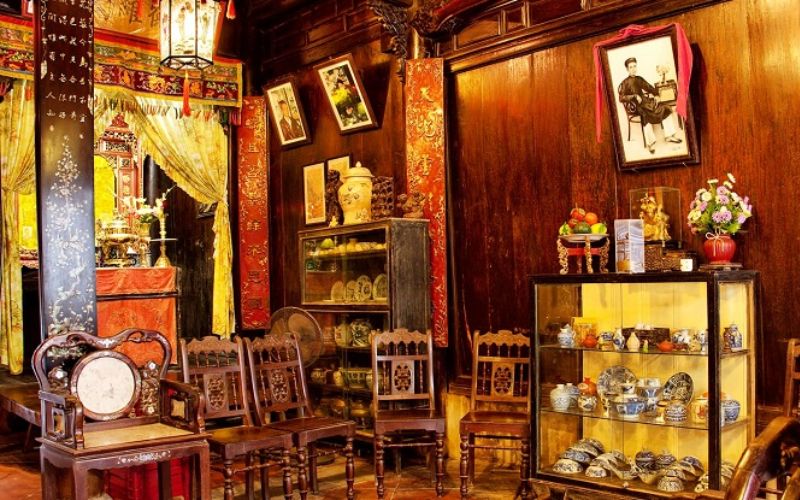
Old House of Tan Ky
Cham Island is the most rewarding island excursion from Hoi An. Consisting of eight small islets, Cu Lao Cham is a UNESCO-recognized biosphere reserve known for coral reefs, clear waters, and rich marine life. Day trips typically include snorkeling, beach time, and visits to fishing villages.
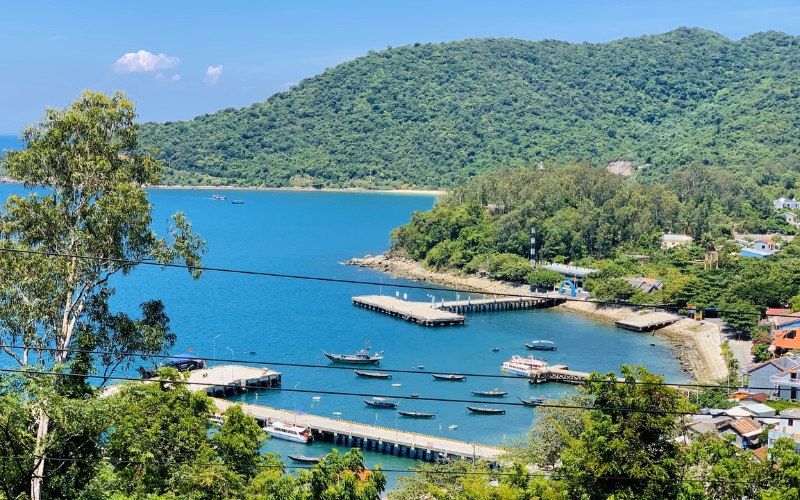
Scenic view of Cham Island from above
>>> Recommended tour: 1 Day Tour Cu Lao Cham Island
Son Tra Peninsula is Da Nang’s most important natural reserve. Located about 10 kilometers from the city center, this forested peninsula protects diverse wildlife and offers secluded beaches, coastal roads, and panoramic viewpoints. It remains largely untouched by mass tourism.
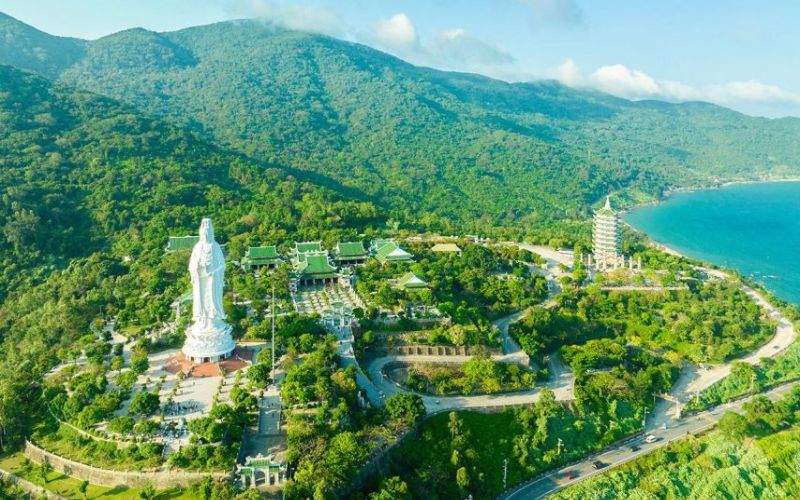
Panoramic view of Son Tran Peninsula
Cua Dai Beach is one of the best beaches near Hoi An for water activities. This long sandy beach is popular for canoeing, snorkeling, and kayaking, making it a frequent stop on Da Nang – Hoi An coastal tours.
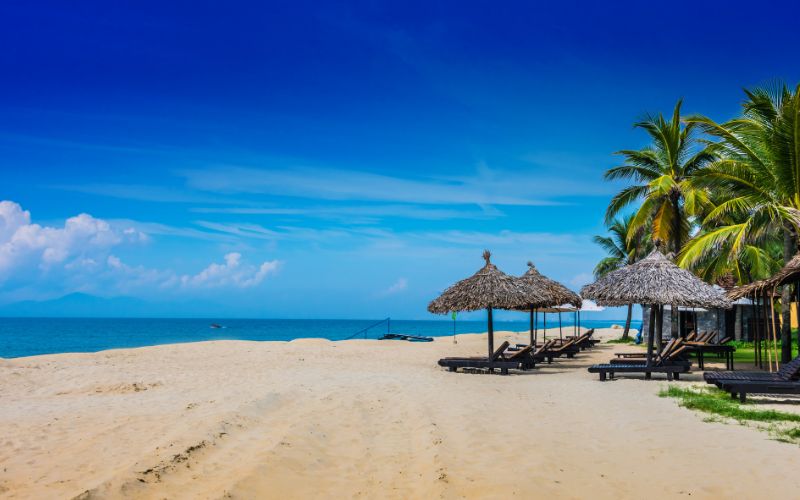
Cua Dai Beach, Hoi An
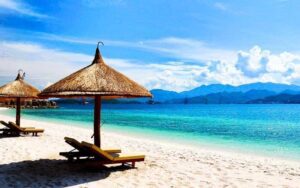
An Bang Beach is the best beach in Hoi An for peace and relaxation. Known for its calm atmosphere, white sand, and scenic sunsets, An Bang is ideal for travelers seeking a quieter beach experience away from city crowds.
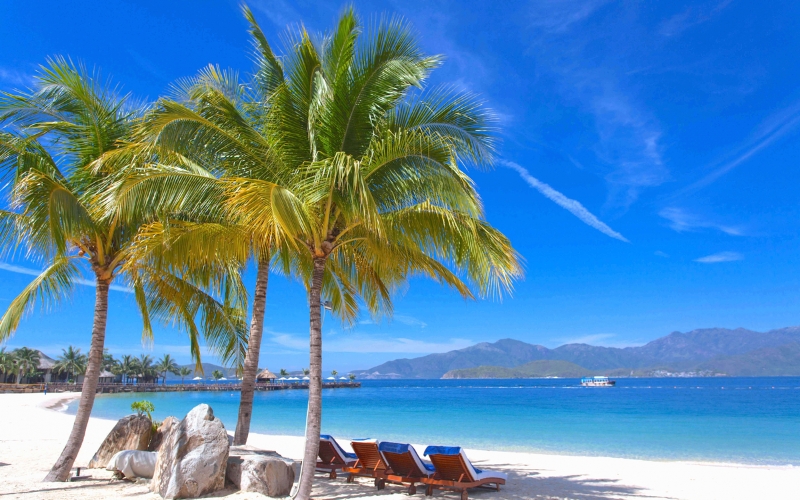
An Bang Beach, one of the most beautiful beaches in the world
The best dishes to eat in Da Nang and Hoi An are com ga, cao lau, mi Quang, banh bao, banh vac, and banh xeo. Local cuisine in this region reflects a blend of central Vietnamese flavors, influenced by history, trade, and local ingredients.
Com ga is Hoi An’s most iconic and beloved dish. Seasoned rice is served with tender shredded chicken, onions, herbs, and light sauces, transforming simple ingredients into a refined local specialty found throughout the old town.
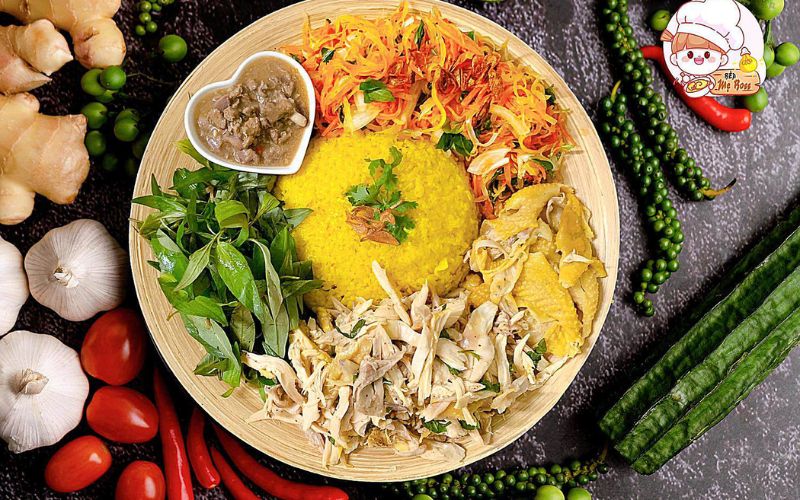
Hoi An chicken rice shows how a few well-balanced ingredients can define a city’s food culture.
Cao Lau is a dish unique to Hoi An and cannot be authentically replicated elsewhere. Its thick noodles resemble Japanese udon, while the pork and rice crackers show Chinese influence, all tied together by Vietnamese techniques. The dish is traditionally associated with specific water sources in Hoi An.
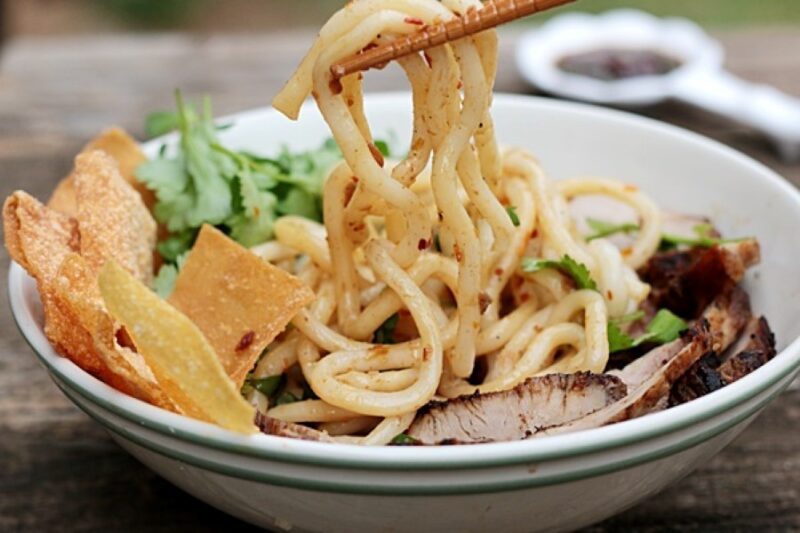
Cao Lau an essential dish of Hoi An
Mi Quang is the signature noodle dish of Quang Nam Province (before this province is merged into Da Nang city from July 2025.). Made with wide rice noodles, herbs, and meats such as shrimp, pork, or chicken, Mi Quang is served with little or no broth and eaten at any time of day.
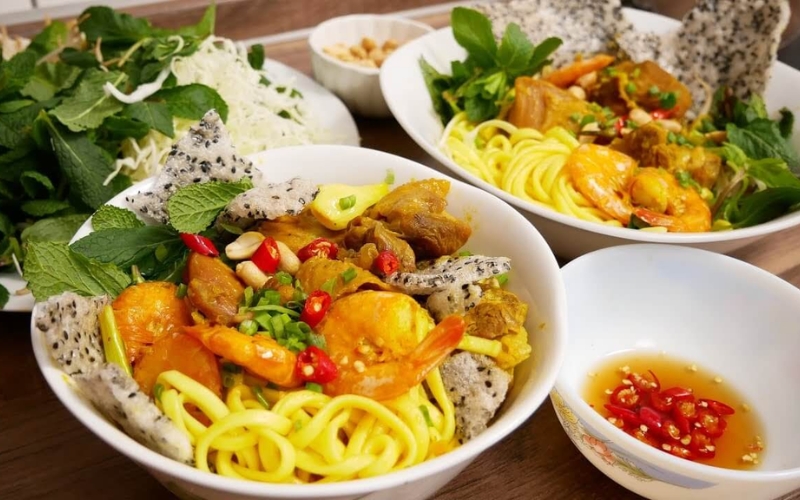
Mi Quang – a must-try central Vietnamese noodle dish from Da Nang
Banh bao and banh vac are traditional Hoi An dumplings usually served together. Filled with shrimp or pork and shaped delicately, these dumplings reflect the town’s refined culinary traditions and are often prepared by specialized local families.
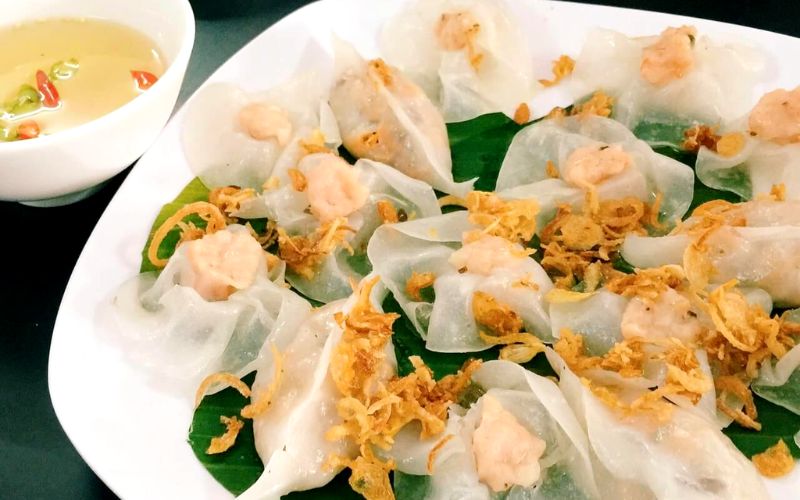
Banh Vac
Banh xeo is one of the most interactive and memorable dishes to try in central Vietnam. Made from rice flour, shrimp, meat, and vegetables, it is wrapped in lettuce and herbs, then dipped into a fermented peanut sauce, creating a balance of crunch, freshness, and richness.
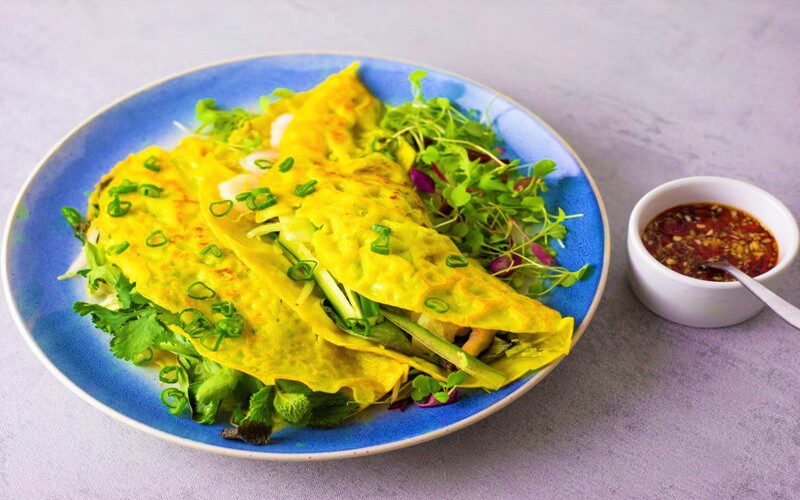
Banh Xeo (Vietnamese Pancakes)
>>> Read more: Top 30 Popular Vietnamese Dishes beyond Pho
Our Hoi An tour allows you to experience cultural depth while traveling comfortably and efficiently. With local guides, you gain historical context, avoid overcrowded routes, and enjoy authentic food experiences without guesswork. Whether you have one day or several days, Da Nang – Hoi An tours offer one of Vietnam’s most complete travel experiences.
If you are planning to explore central Vietnam, Hoi An remains one of the most rewarding destinations for culture, scenery, and cuisine. Don’t hesitate to let us know.

Vietnam currency is the Vietnamese dong, written as VND or ₫. For most trips, the easiest approach is to pay everyday expenses…
Vietnam itinerary 7 days is enough for a rewarding first trip to Vietnam if you choose between regional depth and national highlights….

The Vietnam itinerary 5 days is enough to explore its regions well, but not to cover the whole country without spending too…
