


August is one of those months that splits travelers right down the middle. People look a little closer, notice that the south stays sunny, the mountains turn impossibly green, and hotel prices drop by 30 to 40%, and they book a tour which visit Vietnam in August.
This guide breaks down what August actually looks like across each region, which destinations are worth your time, and what to realistically expect so you can plan your trip without surprises.
Vietnam in August: What You Need to Know
August sits in the middle of Vietnam’s rainy season, but that label is a little misleading. Vietnam stretches more than 1,600 km from north to south, and each region follows its own weather pattern. The north and south deal with rain at different times of year, and the central coast has its own rhythm entirely. Understanding this is the difference between a soggy trip and a genuinely good one.

Vietnam through the four seasons: from spring blossoms and summer beaches to autumn colors and winter snow.
The short version: southern Vietnam (Phu Quoc, Ho Chi Minh City, the Mekong Delta) is at its wettest, northern Vietnam is hot and humid with afternoon showers, the central coast around Da Nang and Hoi An gets something closer to beach weather, and the northern highlands like Sapa and Ha Giang are green, cool, and alive with color.
Vietnam in August Weather
Vietnam’s climate in August is shaped by two monsoon systems operating simultaneously. The southwest monsoon brings heavy rain to the south and parts of the central highlands, while the southeast monsoon keeps the central coast relatively dry and warm.
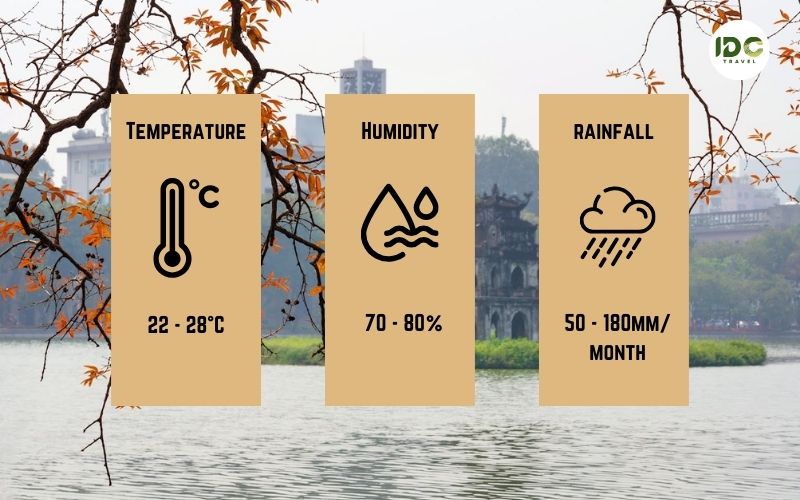
Vietnam weather in the autumn
1. Northern Vietnam in August
The north is in full summer mode. Hanoi sits around 33 to 35°C (91 to 95°F) with high humidity that makes it feel warmer. Afternoon thunderstorms are common but usually short, clearing up within an hour or two. Mornings tend to be the best time to explore the old quarter or visit nearby sites.
Lowland areas (Hanoi, Ninh Binh): Average 30 to 35°C (86 to 95°F), humidity above 80%, 15 to 18 rainy days. Afternoons get heavy with sudden downpours, but mornings are typically clear. Ninh Binh’s rice paddies look their absolute best right now.
Coastal areas (Halong Bay): Average 28 to 32°C (82 to 90°F), moderate to heavy rainfall. Cruises still operate, though some days see limited visibility. Check operator weather policies before booking.
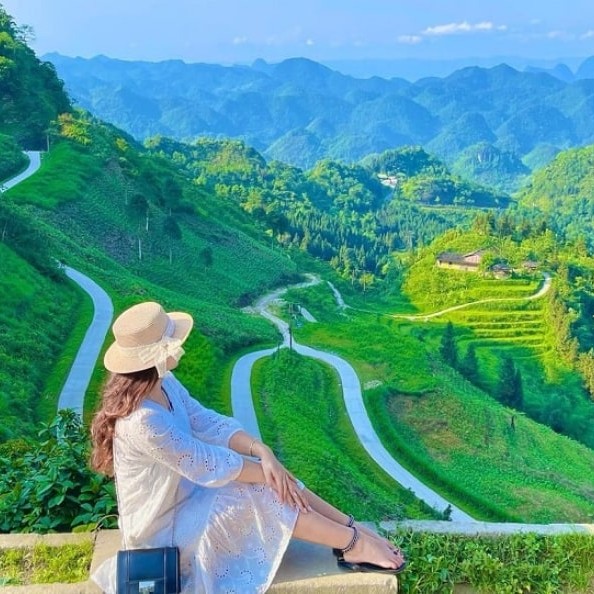
Mountainous areas (Sapa, Ha Giang): Average 18 to 25°C (64 to 77°F), frequent mist and rain. The terraced rice fields in Sapa are at peak green in August, and Ha Giang’s Dong Van Karst Plateau turns a deep, saturated emerald. Flash flood risk is real on mountain roads; travel with experienced local guides.
2. Central Vietnam in August
This is where August actually works well. The central coast sits in a weather pocket where the mountains block the southwest monsoon, keeping Da Nang and Hoi An relatively dry. Sea temperatures hover around 28°C (82°F), and most days offer solid beach weather.
Coastal areas (Da Nang, Hoi An): Average 28 to 33°C (82 to 91°F), low to moderate rainfall. This is one of the better beach windows of the year for this stretch of coast. Hoi An gets its famous evening lanterns reflecting off quieter canal water.
Lowland cities (Hue): Average 28 to 33°C (82 to 91°F), occasional afternoon showers. Hue is manageable in August, and the Imperial Citadel and royal tombs are less crowded than during peak season.
Mountainous areas (Da Lat): Average 17 to 22°C (63 to 72°F), frequent afternoon rain. Da Lat’s cool climate is a genuine relief after the coastal heat. The flower gardens and pine forests look exceptional after rainfall.
3. Southern Vietnam in August
The south is in the deepest part of its wet season. Ho Chi Minh City gets around 250 to 300 mm of rain in August, mostly in the form of heavy afternoon downpours that arrive, flood the streets briefly, then pass. Mornings are usually clear and functional for travel.
Lowland cities (Ho Chi Minh City): Average 27 to 33°C (81 to 91°F), heavy afternoon rain. The city’s urban infrastructure handles it better than it used to, but some streets still flood. Plan outdoor activities for mornings.
Delta and lowland areas (Mekong Delta): Average 26 to 32°C (79 to 90°F), frequent rain and high rivers. The river levels actually make boat tours more interesting, reaching deeper into the waterway network. Floating markets are active.
Coastal islands (Phu Quoc): Average 26 to 31°C (79 to 88°F), significant rainfall and possible rough seas on the western coast. Phu Quoc’s eastern beaches stay calmer. Some resorts offer good rainy-season discounts, and the island is quieter than December through March.
Best Places to Visit Vietnam in August
August rewards travelers who pick destinations with their eyes open. Here are the places that genuinely work this month.
1. Hoi An
Hoi An in August is a different experience than December or January. The weather cooperates, the streets are less packed with tour groups, and the lantern festival on the 14th of each lunar month draws visitors for something genuinely worth seeing. The old town is UNESCO-listed for good reason, and the tailors, ceramic shops, and riverside restaurants are all operating at full pace.

Hoi An at night
>>> A good Hoi An 5-day tour from Da Nang takes in the ancient town, the Japanese Covered Bridge, and a cooking class that puts you in a market at 7am bargaining for morning vegetables. That particular sequence of the market first, cooking second, eating third works well here.
2. Sapa and Ha Giang
August is genuinely one of the best times to visit the northern highlands. The rice terraces in Sapa go from pale green in June to a deeper, richer color by August, and the trekking trails through Muong Hoa Valley are lush with vegetation.
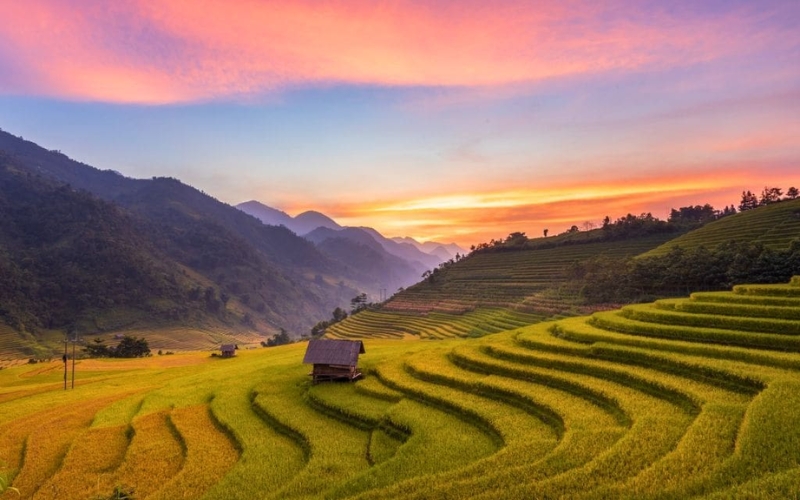
A peaceful sunset overlooking the ripe rice fields in Lao Chai Village, Sapa
Ha Giang’s loop is driveable in August with some caution; the roads require judgment and the cloud cover through Dong Van can be dramatic in the best possible way.
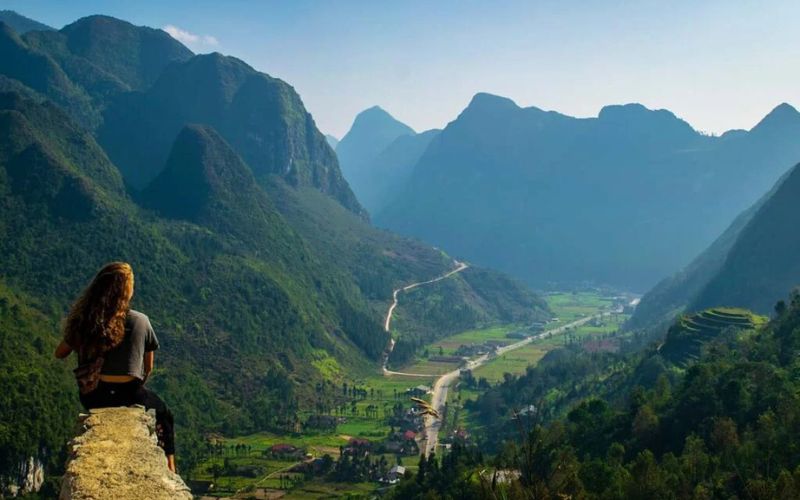
Magnificent landscapes in Ha Giang Loop
>>> Sapa day tours operate year-round, and local Hmong guides are worth the investment, both for navigation and for the conversations that come out of walking through working villages rather than just looking at them.
3. Da Nang and the Central Coast
Da Nang in August gets more credit than it usually does. My Son Sanctuary, the Marble Mountains, and the beaches around Non Nuoc are all accessible, and the weather holds well enough for a few days of mixed beach and cultural itinerary. Nha Trang, further south, shares some of this central coast dryness in the first half of August before conditions start shifting.
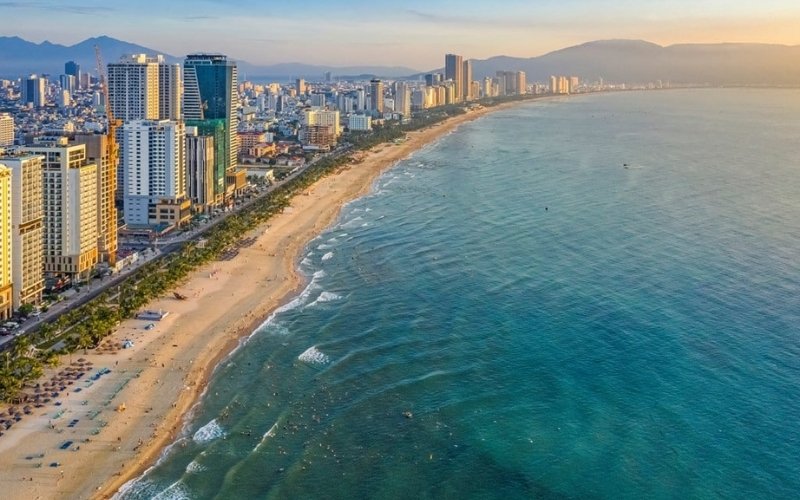
Golden sands, gentle waves, and a vibrant seaside skyline — a perfect day by the coast.
>>> Da Nang day tours typically combine the marble mountains with Hoi An in a single day, which is a reasonable use of time if your trip is short.
4. Ninh Binh
People who skip Ninh Binh in favor of only doing Halong Bay often say afterward that Ninh Binh surprised them more. The rice paddies at Tam Coc in August are green and flooded to the rim, and the boat rides through the limestone karst channels feel like moving through a painting. Trang An, the UNESCO-listed complex nearby, is less visited and more interesting than most itineraries give it credit for.
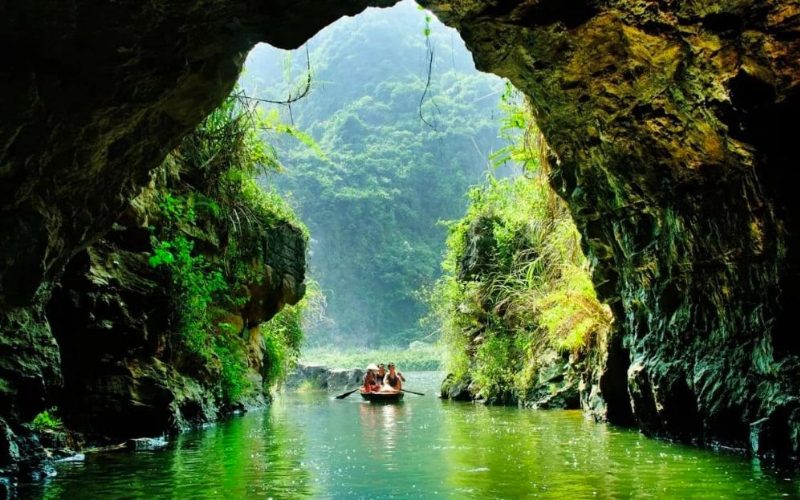
Ninh Binh’s grotto
>>> Ninh Binh day tour from Hanoi cover the main sites in a full day, though staying a night to catch the early morning light before tour groups arrive is the smarter move.
5. Halong Bay
Halong Bay cruises continue in August, and the bay is legitimately beautiful in this season. The mist that rolls across the karsts on rainy mornings creates conditions you do not get in dry-season visits. That said, occasional tropical storms can disrupt schedules, and it is worth booking with an operator that has a clear weather-policy and refund procedure.
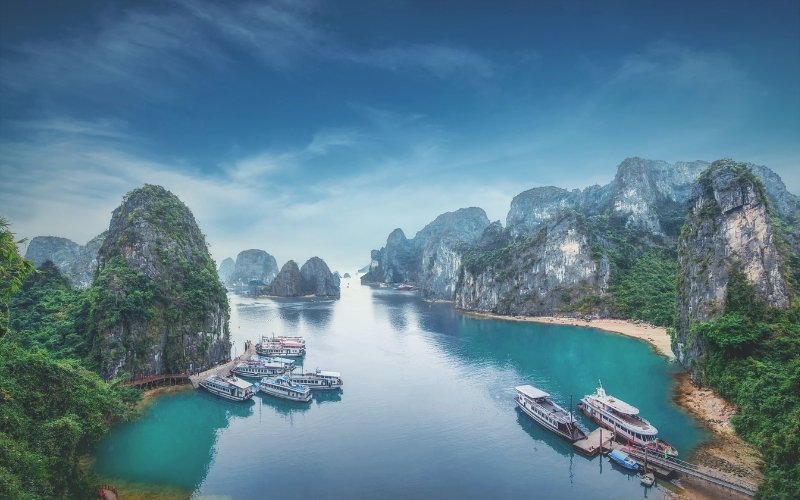
Majestic Ha Long Bay, where emerald waters meet towering limestone cliffs.
>>> Halong Bay cruises range from one-day trips to three-night liveaboards. For August, mid-range to luxury boats with indoor common areas and solid weather contingency plans are worth the extra cost.
6. Ho Chi Minh City
Ho Chi Minh City works in August if you treat the rain as a rhythm rather than an obstacle. Mornings at the War Remnants Museum, Ben Thanh Market, and the Reunification Palace. Lunch somewhere with air conditioning. Rain from about 2pm to 4pm. Then evenings in Sai Gon Ward or Bui Vien Street when the city comes back to life. It is a pattern that actually suits the city’s energy.
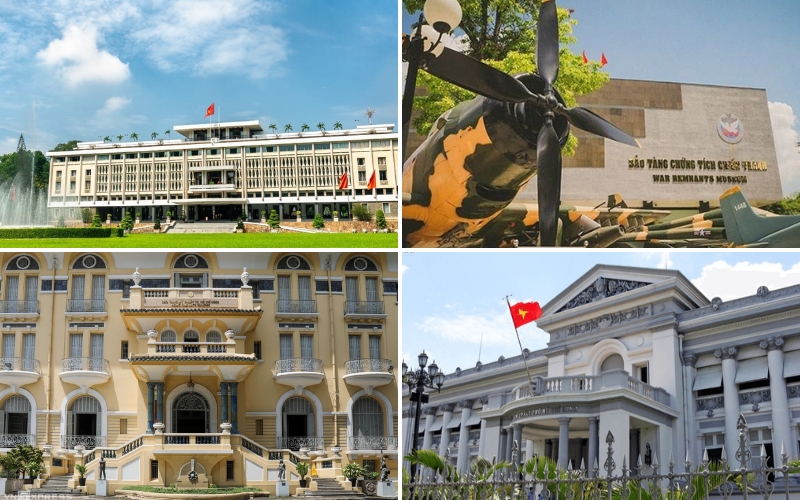
Some famous museums you may want to visit in Ho Chi Minh City
>>> Ho Chi Minh City tours can be structured around this rhythm, with morning departures timed to beat the afternoon weather.
Things to Do to Visit Vietnam in August
Beyond specific destinations, August offers a few experiences that are genuinely tied to the season.
Rice harvest watching in the north. Late August is when secondary rice crops are beginning to fill out across the northern valleys. Villages in Mai Chau and the areas around Mu Cang Chai offer something close to golden-field photography conditions, though full harvest typically peaks in September.
Phu Quoc off-season value. The island’s western beach accommodation drops significantly in price during August. Some resorts that run $180 to $250 (~$180-$250) a night in peak season are available for $80 to $100 (~$80-$100) in August. The eastern coast and the national park trails are still fully accessible.
Ghost Festival (Vu Lan). The Vietnamese Ghost Month falls in August (the 7th lunar month), and Vu Lan, the Festival of Wandering Souls, is observed on the 15th day. Pagodas across the country hold ceremonies, and local markets stock offerings in the weeks leading up to it. It is not a tourist event but worth knowing about; the atmosphere around pagodas in the evenings is worth seeing.
Mekong Delta boat tours. August river levels mean the floating markets at Cai Rang near Can Tho operate with more activity and more accessible waterways. Mekong Delta tours departing from Ho Chi Minh City are a solid half-day or full-day option even in wet season.
Cave exploration in Phong Nha. Phong Nha-Ke Bang National Park in Quang Binh is accessible in August, and most of the main cave systems (Paradise Cave, Phong Nha Cave) operate normally. Some backcountry cave tours close due to water levels, but the accessible caves are still among the most impressive in Southeast Asia.
What to Pack for Vietnam in August
August packing is about managing heat and rain without carrying too much.
- Lightweight rain jacket or packable poncho. Umbrellas work in city streets but are useless on motorbike day trips.
- A poncho that fits in a small bag is more practical.
- Quick-dry clothing. Cotton stays wet for hours in this humidity. Linen or synthetic fabrics dry faster and breathe better.
- Waterproof bag or dry sack. Especially for Halong Bay or Mekong river trips where everything can get wet.
- Comfortable walking shoes with grip. Stone temple floors and wet rice paddy paths both demand traction.
- Sunscreen and a hat. Even on cloudy days, UV levels in Vietnam are high.
- Insect repellent. Mosquitoes are more active in the wet season, particularly in the delta regions and around standing water.
Budget for around 200,000 to 300,000 VND (~$8 to $12) per person for a decent street food meal and coffee in the north; Ho Chi Minh City and resort areas run slightly higher.
Is It Worth Going to Vietnam in August?
Yes, with the right itinerary. The mistake is treating Vietnam as a single destination with a single climate. An August trip built around the central coast, the northern highlands, and the Mekong Delta can be genuinely excellent, with lower prices, thinner crowds, and landscapes that peak in this season. The mistake is planning for Phu Quoc beaches or extended Ha Long Bay time without a weather contingency.
For travelers willing to adjust plans when weather shifts, carry a poncho, and appreciate a landscape that looks completely different from January’s dusty dry-season version, August is underrated. Browse Vietnam tours by IDC Travel to see itineraries built around what actually works in August.
Traveling to Vietnam in August: Budget and Costs
August is shoulder season across most of Vietnam, which means real savings on accommodation and tours. Some reference points:
- Budget guesthouse (Hanoi, Hoi An): 250,000 to 400,000 VND (~$10 to $16) per night
- Mid-range hotel (Da Nang beachfront): 900,000 to 1,500,000 VND (~$35 to $60) per night
- Domestic flight (Hanoi to Ho Chi Minh City): roughly 800,000 to 1,500,000 VND (~$30 to $60) booked in advance
- Street pho: 40,000 to 60,000 VND (~$1.60 to $2.40)
- Halong Bay cruise (2D/1N): from $80 for budget boats, $150 to $300+ for quality operators
Vietnam beach holidays and leisure packages typically include better rates in August than in peak season.
Conclusion: Vietnam in August at a Glance
| Category | Details |
| Best regions | Central coast (Da Nang, Hoi An), Northern highlands (Sapa, Ha Giang), Ninh Binh |
| Regions to approach carefully | Phu Quoc, Mekong Delta (heavy rain), Halong Bay (weather-dependent) |
| Temperature range | 18°C (64°F) in Sapa to 35°C (95°F) in Hanoi and HCMC |
| Rainfall | High in north and south, lower on central coast |
| Crowds | Significantly below peak season |
| Hotel prices | 30 to 40% lower than December to March |
| Rainy days per month | 15 to 20 in Hanoi/HCMC; 5 to 10 in Da Nang |
| Key event | Vu Lan (Ghost Festival), lunar 7th month |
| Recommended trip length | 10 to 14 days for a north-to-south route |
Traveling to Vietnam this August is a reasonable choice for travelers who research the regions rather than just the country. The central coast, the highland villages, and the cultural cities all have their best arguments to make this month. You get a Vietnam that feels a little less polished and a lot more like itself.
When you are ready to plan something concrete, we work with August conditions regularly and can help put together an itinerary that plays to the season rather than against it. Have a look at the full range of Vietnam holidays and contact us to find a starting point.
>>> Refer to Vietnam Current Weather | AccuWeather.
Read more:

My family is planning a trip to Vietnam this August, and your blog was really helpful!! I was wondering, since August is part of the rainy season in some regions, which areas would you recommend for family-friendly activities with more reliable weather?
Hi, thank you for reaching us!
That was a great question. While August does fall within the rainy season in parts of Vietnam, there are still some fantastic, family-friendly destinations to consider. I’d recommend looking into Central Vietnam, especially places like Da Nang and Hoi An. Although brief showers can occur, the weather is generally warm, and there are plenty of indoor and outdoor activities for all ages, from beach time to cultural experiences.
If your family enjoys cooler weather and nature, Da Lat in the Central Highlands is also a lovely choice, with its mild climate and charming scenery. Just pack light rain gear and you’ll be all set for a memorable trip!
If you need further information or tailor your holiday, please contact us; our gurus are willing to help at any time!
Best regards,
IDC Travel Team.