


Whatever you want from your Vietnam, Cambodia, Laos, Myanmar & Thailand tour, our travel advisors are ready to help you with 1:1 advice.
Call our local experts: +84913.000.858
One of the most popular tourist destinations worldwide is Thailand. People travel there for various reasons, including family vacations and full-moon parties. Thailand has a lot to offer, including exciting adventures and bustling cities to explore. It gives a sense of wonder and assurance that anything can happen.
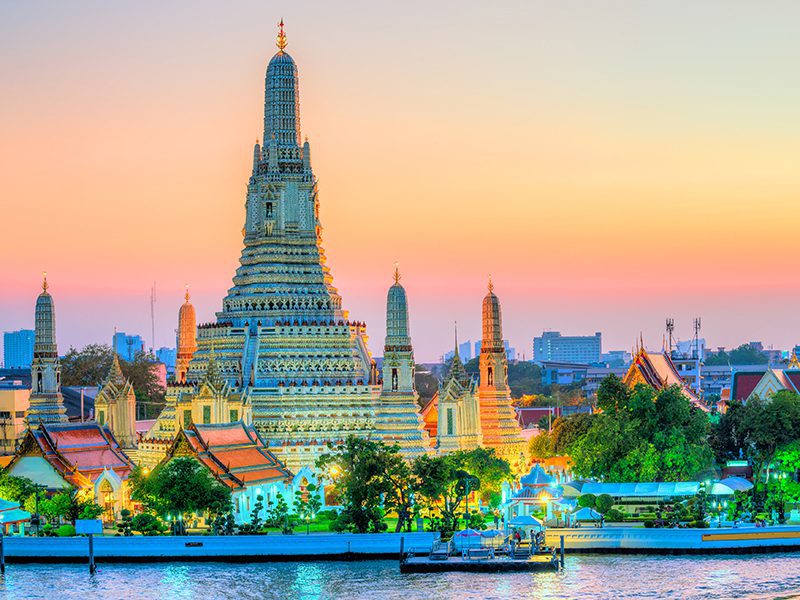
Thailand
The best time to visit Thailand is from mid-October to February, when the weather is generally dry, sunny, and comfortable for travel across most regions of the country.
Thailand has a tropical climate influenced by monsoons. From May to October, the southwest monsoon brings higher humidity and frequent rain, especially in coastal and southern areas, though showers often come in short bursts and are followed by sunshine. This period still offers outstanding travel opportunities, particularly in the north and for travelers who prefer fewer crowds.
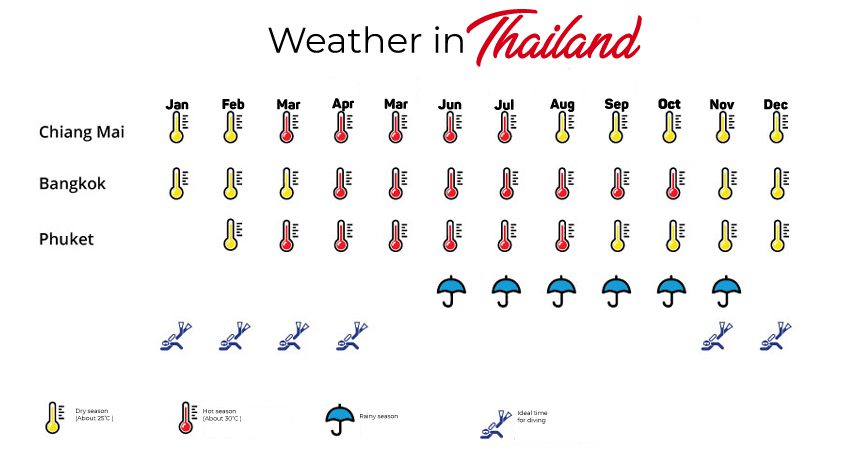
The dry season runs from November to April, driven by the northeast monsoon. From November to February, temperatures are at their most pleasant, usually ranging between 25°C and 30°C, making this the ideal time for city sightseeing, cultural tours, and beach holidays. From March to early June, the heat intensifies, especially in central regions like Bangkok and inland areas, where temperatures can exceed 40°C, while southern coastal areas tend to feel slightly cooler thanks to sea breezes.
Sea temperatures remain warm year-round, between 25°C and 30°C, so beach travel is possible in any season. Overall, traveling between November and March offers the best balance of weather, comfort, and accessibility, which is why this period is considered Thailand’s peak travel season.
Thailand’s top travel destinations include Bangkok, Chiang Mai, Ayutthaya, Koh Samui, Krabi, and Phuket, each offering a different perspective on the country, from cultural heritage and historic cities to tropical islands and dramatic coastlines.
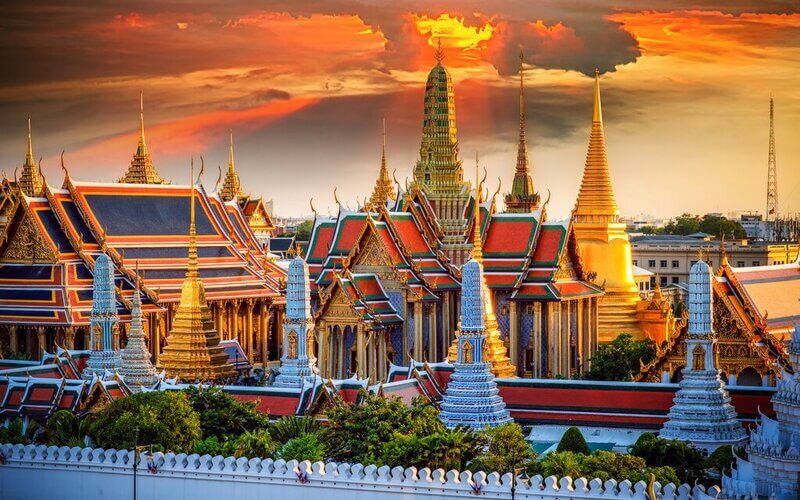
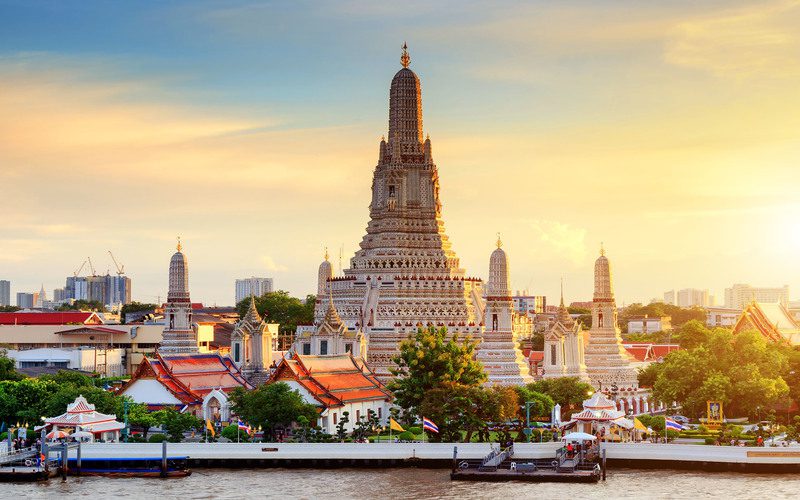
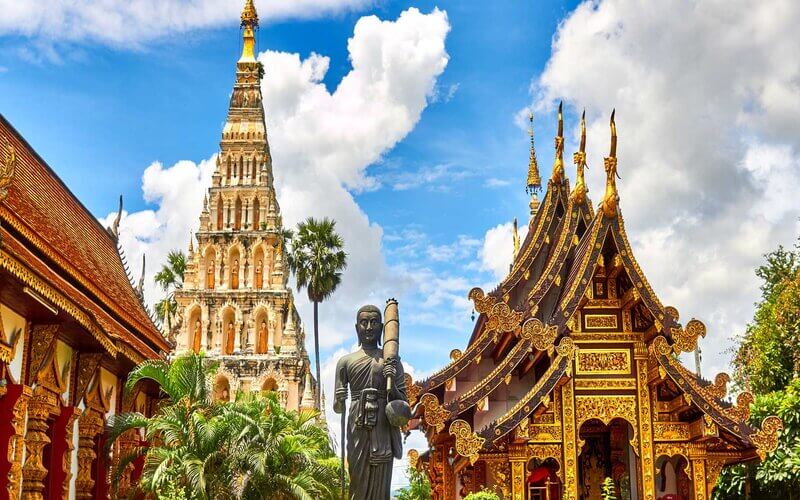
Bangkok is where most journeys in Thailand begin, and it immediately sets the tone. The city’s historic heart is home to some of the country’s most important landmarks, including the Grand Palace, Wat Pho with its giant reclining Buddha, and Wat Arun rising above the Chao Phraya River.
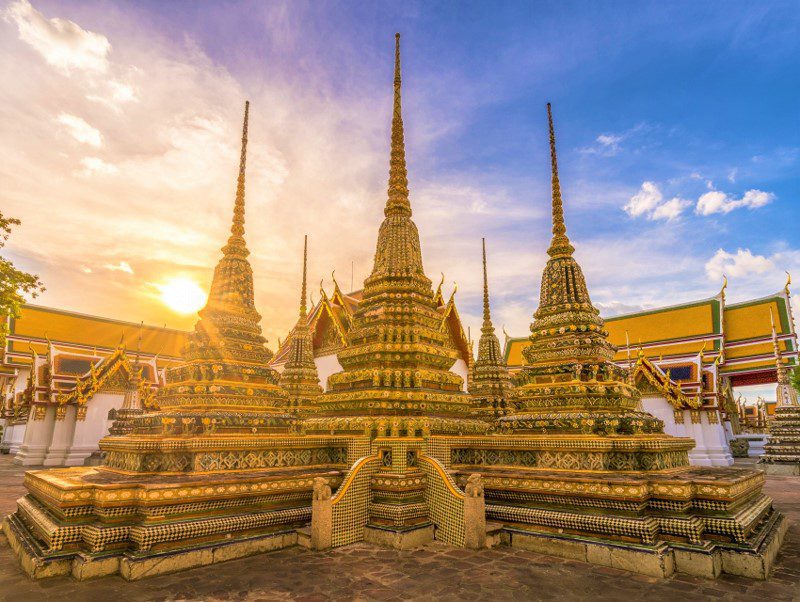
Wat Pho – Bangkok
Beyond temples, Bangkok is about atmosphere: street food in Chinatown, evening walks through old neighborhoods, and rooftop bars overlooking a skyline that never seems to sleep. It is busy, intense, and deeply rewarding.
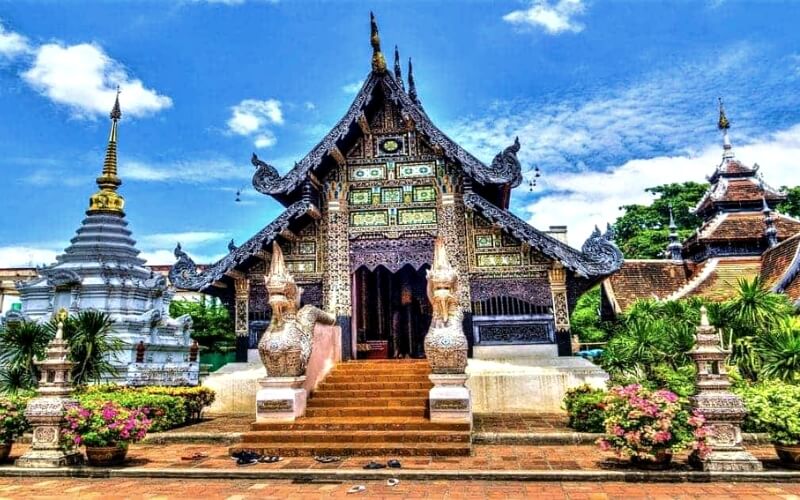
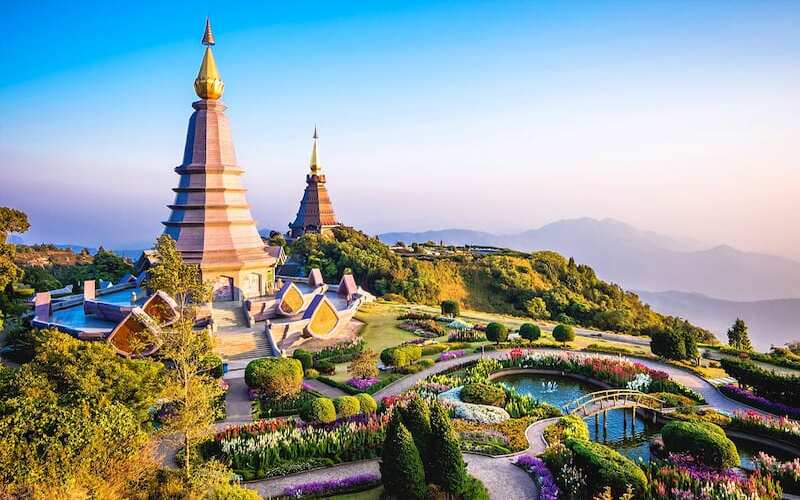
Chiang Mai offers a calmer contrast to the capital. Surrounded by mountains, this northern city, once the center of the ancient Lanna Kingdom, is known for its slower pace and strong cultural identity. Inside the old city walls, centuries-old temples sit beside cafés and local markets.
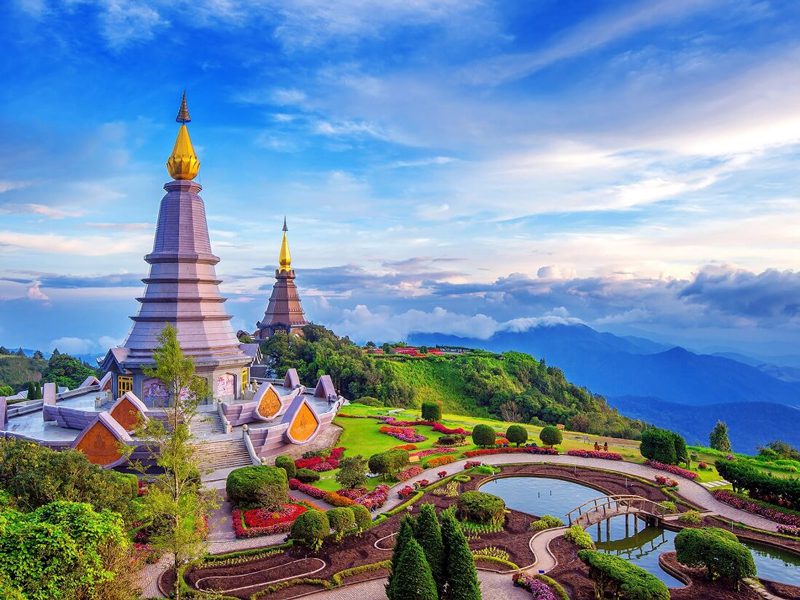
Chiang Mai
Cycling through the old town or climbing up to Wat Doi Suthep for views over the valley gives a clear sense of why Chiang Mai is one of Thailand’s most loved destinations.
Just a short trip from Bangkok, Ayutthaya feels like stepping into another era. This UNESCO World Heritage Site was once the capital of Siam, and its temple ruins still reflect that former grandeur. Sites like Wat Mahathat, with the Buddha head entwined in tree roots, and Wat Yai Chai Mongkorn, with its towering stupas, make Ayutthaya one of the most atmospheric historical cities in Southeast Asia. It is an easy day trip, but one that lasts a long time.
Koh Samui blends tropical scenery with comfort and convenience. Known for its palm-lined beaches and upscale resorts, the island also offers rainforest-covered hills, sunset viewpoints, and cultural landmarks like the Big Buddha at Wat Phra Yai.
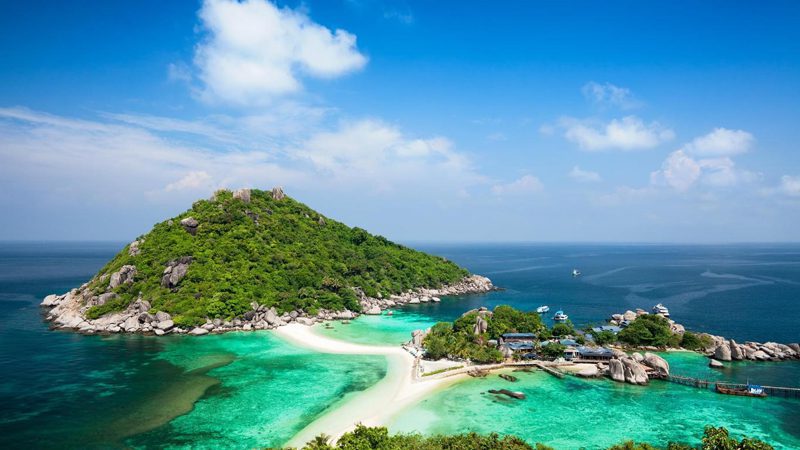
Koh Samui
With plenty of spas, beach clubs, and quiet coves, Koh Samui suits travelers looking for relaxation without sacrificing variety.
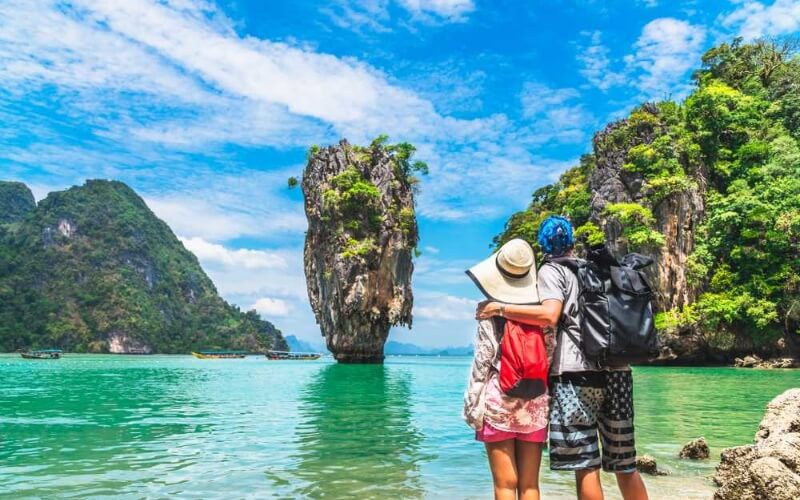
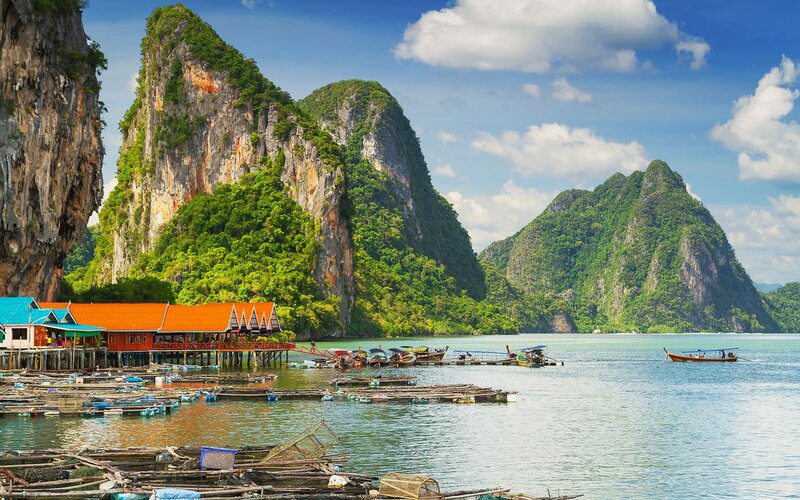
Krabi is renowned for its dramatic limestone cliffs, turquoise waters, and island-hopping routes. Places like Railay Beach attract climbers and photographers, while Ao Nang offers easy access to nearby islands.
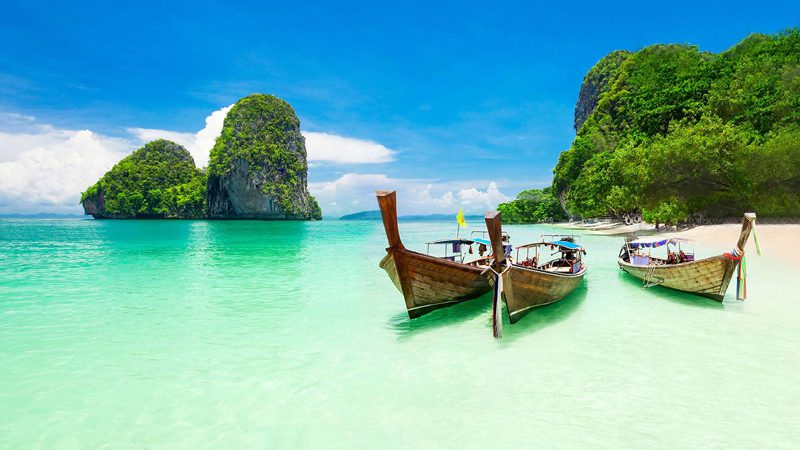
Krabi
Offshore, Koh Phi Phi delivers iconic scenery, while Koh Lanta and smaller islands such as Koh Jum provide a more laid-back, local feel. Krabi works well for both adventure and slow coastal travel.
Phuket is Thailand’s largest island and one of its most established beach destinations. It offers everything from quiet beaches like Kata Noi and Nai Harn to high-end resorts along the Andaman coast. Cultural highlights include the hilltop Big Buddha and Wat Chalong, while Phuket Old Town adds a dose of history with its colorful Sino-Portuguese architecture. Phuket is ideal for travelers who want beach time combined with dining, nightlife, and easy connections.
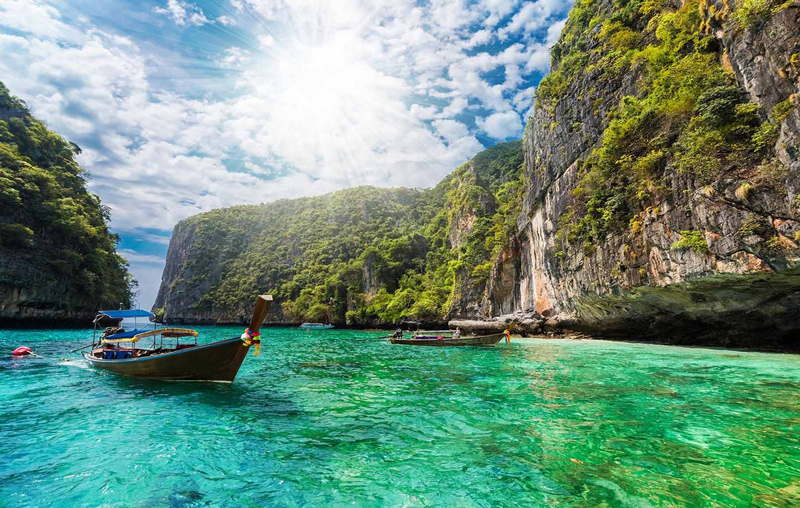
Phuket
Together, these destinations showcase the full range of what Thailand has to offer, making it easy to tailor a trip that balances culture, nature, and relaxation.
The best time to visit Thailand with good weather is between October and February, with cool and comfortable temperatures. The water is blue, the landscape is magnificent, and it rains little. This time Thailand has many festivals.
However, travel costs in Thailand are increasing due to high demand. If you’re looking for a promotion period, try visiting between April and September, when the biggest discounts are available on accommodation, flights, and tours. Another advantage of traveling this season is to avoid large crowds. However, it would help if you were flexible and well prepared for the long rainy days during the trip.
Yes, Thailand is widely considered the easiest and most comfortable entry point into Southeast Asia. The country has a well-developed tourism infrastructure, reliable domestic flights and transport, a wide choice of hotels in all price ranges, and clear tourist services in English. Cultural differences are noticeable but not overwhelming, making it easy for first-time visitors to adjust while still experiencing something genuinely different. This balance of accessibility and cultural depth is why many travelers choose Thailand for their first trip to the region.
>>> Read more: Travel to Thailand for the First Time: An Inspiring and Complete Guide
Yes, Thailand is very well suited for both families and older travelers. Hotels are generally comfortable and service-oriented, healthcare standards in major cities and tourist areas are high, and travel distances between key destinations are manageable. Many cultural sites, temples, and city attractions are easy to visit without strenuous activity, while beach resorts offer calm, well-organized environments for relaxation. With flexible itineraries and a slower pace, Thailand can be enjoyed safely and comfortably by travelers of all ages.
>>> Read more: Thailand Family Trip with Kids: The Stress-Free Guide to Best Itineraries And Budget
The ideal length of a Thailand tour depends on how deeply you are keen to explore the country, but Thailand is flexible and rewarding at almost any pace.
Overall, Thailand adapts easily to short holidays as well as long stays, and many travelers find that no matter how long they plan to stay, it never feels like enough.
Thailand itinerary 7 days is enough if you limit the journey to two or three complementary destinations. Bangkok and Phuket form the…
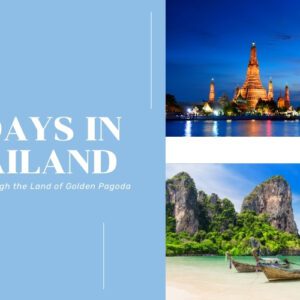
With 15 days in Thailand, you can travel deeply through the cultural North or build a varied journey from rivers and rainforest…

Thailand museums range from free contemporary galleries to national collections charging up to 500 THB, or about $15, and most visits take…
