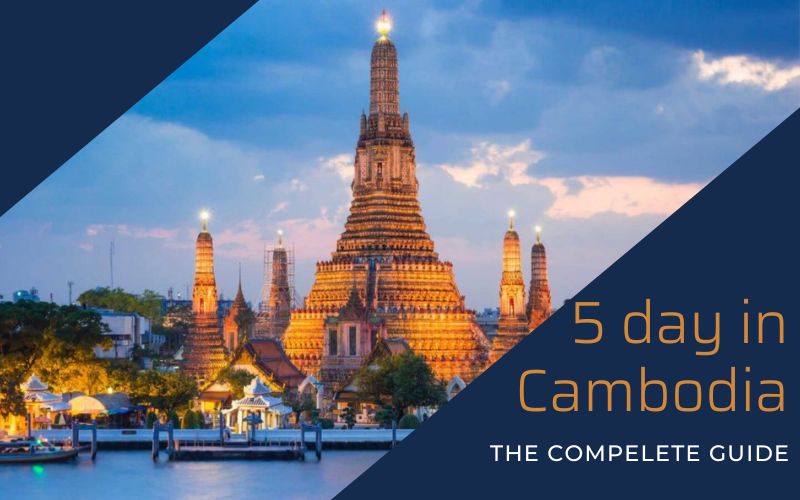
Cambodia itinerary 5 days is enough if you focus on either Siem Reap and Angkor or a faster Phnom Penh and Siem Reap itinerary rather than adding the coast or Battambang. The first option allows more time for temples, countryside and a slower travel pace, while the second introduces both the modern capital and the Angkor region. A practical land budget starts at roughly USD 230-530 per person, excluding international flights, visas and the Angkor Pass. If visiting both cities, arrive in one and depart from the other to avoid losing time to unnecessary backtracking.
Two Cambodia Itinerary for 5 Days
The biggest mistake on a short Cambodia trip is trying to cover Phnom Penh, Siem Reap, Battambang, and the coast in the same five days. Long transfers then become the main experience. Choose one of the two plans below before you book flights.
| Route | Overnight plan | Best for | Main advantage | Honest limitation |
| Angkor in Depth | 4 nights in Siem Reap | Culture lovers, couples, families, photographers, and travelers who dislike rushed transfers | More temple time, easier midday breaks, and room for local experiences | You will not see Cambodia’s capital or modern political history |
| Two-City Essentials | 2 nights in Phnom Penh and 2 nights in Siem Reap, or the reverse | First-time visitors who may not return soon | Combines the capital, Khmer Rouge history, and Angkor in one trip | One major transfer and a busier daily pace |
Choose Angkor in Depth if temples are your priority or if your flight arrives in Siem Reap. Choose Two-City Essentials if you can fly into one city and home from the other, and you are comfortable with one early transfer day.
Itinerary 1: Angkor in Depth Without Packing Every Morning
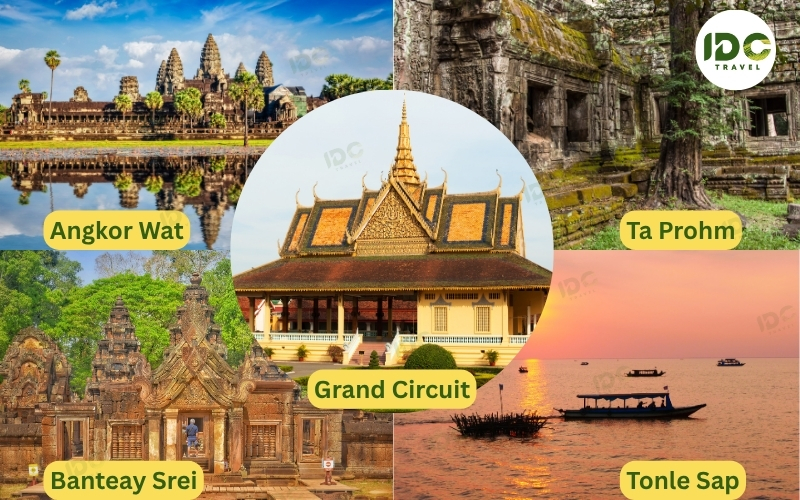
5 day Cambodia itinerary, an unhurried Angkor experience covering Angkor Wat, Ta Prohm, Banteay Srei, and Tonle Sap.
- Route: Siem Reap city, Angkor Small Circuit, Banteay Srei and the Grand Circuit, then countryside or Tonle Sap
- Best for: Travelers who want a meaningful Angkor visit without turning the trip into a checklist
- Strengths: One hotel base, flexible temple timing, easier recovery from heat, and more space for food and local culture
- Weaknesses: No Phnom Penh and fewer contrasts between ancient and modern Cambodia
- Best time: November to February for generally drier, cooler conditions and comfortable early starts
- Should avoid or plan carefully: April is very hot, but mid-April can still be a rewarding time to experience Khmer New Year and its festive atmosphere. Travelers choosing this period should reserve accommodation, guides and transport early because popular services may cost more and fill sooner. September and October require flexible temple timing because heavier rain is possible, although the countryside and temple surroundings are greener.
Day 1: Arrive in Siem Reap and build context before Angkor
Transfer from SAI, settle in, then walk beside the river or around the Old Market when the heat eases. If time allows, learn the broad chronology of the Khmer Empire before seeing the temples. Have an early dinner and confirm your driver and licensed guide. Sunrise is optional; after a long flight, normal breakfast and a rested start may be the better choice.
Day 2: Angkor Wat, Angkor Thom, and Ta Prohm at a human pace
Start with Angkor Wat when your energy is highest, allowing time for the causeway, galleries, bas-reliefs, and upper levels if open. Continue to Angkor Thom for the Bayon and Terrace of the Elephants. Rest over the hottest hours, then return for Ta Prohm. Adding five more temples may increase the count but reduce what you remember.
Day 3: Banteay Srei and the quieter Grand Circuit
Leave early for Banteay Srei, whose detailed pink sandstone carvings reward slow observation. On the return, choose two or three Grand Circuit temples such as Preah Khan, Neak Pean, or Ta Som. A guide can connect their architecture to the kings, beliefs, and water systems that shaped Angkor. Carry water, cover shoulders and knees, and wear shoes suited to uneven stone.
Day 4: Choose Tonle Sap life or a countryside cycling day
Use the fourth day to see Cambodia beyond the monumental temples. Tonle Sap changes dramatically with the water cycle, so village access and the visual experience depend on the season. Ask what the water level is like before booking and choose a community-based visit that explains fishing, flood adaptation, and local livelihoods without intruding on residents.
Active travelers can instead take a countryside cycling route through villages, rice landscapes, local markets, and smaller pagodas. Request a distance and surface suited to your fitness rather than adding a token hour of cycling to a temple day.
In the evening, consider Phare, The Cambodian Circus. Its official site describes a one-hour performance combining Cambodian storytelling, live music, theater, and acrobatics. The production rotates, so check the live calendar rather than assuming a specific show will play on your date.
Day 5: Slow breakfast, local crafts, and departure
Choose a relaxed breakfast, craft workshop, market, or small museum near the city. With an evening flight, a short countryside loop is possible, but return early enough to collect luggage and reach SAI. Avoid a distant temple on departure day.
>>> Ready for an active five-day Angkor journey? Explore IDC Travel’s Cambodia 5 Days Discovery by Bicycle, a real 5-day/4-night Siem Reap tour combining rural villages, lesser-visited temples, Angkor Thom, and Angkor Wat. The cycling distance can be discussed with IDC Travel before booking.
Itinerary 2: Phnom Penh and Siem Reap for First-Time Visitors
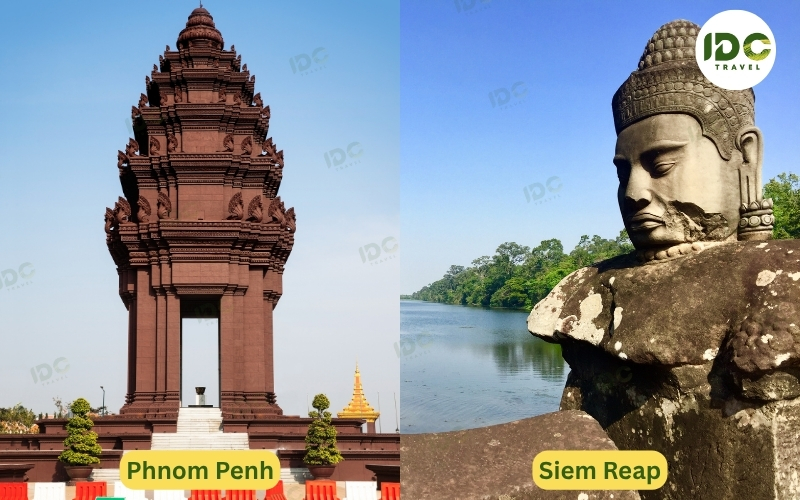
5 day Cambodia itinerary for first-time visitors, pairing Phnom Penh’s landmarks with the ancient temples of Siem Reap.
- Route: Phnom Penh, an early transfer, Siem Reap, and one focused Angkor day
- Best for: Travelers who want the widest historical perspective from a short first visit
- Strengths: Ancient Angkor, the modern capital, royal heritage, and twentieth-century history in one journey
- Weaknesses: Faster pace, less temple depth, and one travel-heavy morning
- Best time: November to February, when both city walking and the Angkor day are generally more comfortable
- Should avoid or plan carefully: April brings intense heat, yet Khmer New Year in mid-April can add a memorable cultural dimension to the journey. Book hotels, guides and the Phnom Penh-Siem Reap transfer well in advance because demand and prices may rise around the holiday. In September and October, add a road buffer and keep outdoor plans flexible because heavier rain can disrupt a tightly timed two-city itinerary.
Day 1: Arrive in Phnom Penh and meet the capital gently
After landing at KTI, begin gently with the riverfront and Wat Phnom. Add the Royal Palace and Silver Pagoda only if timing, energy, dress, and current opening arrangements allow. Finish with a Khmer dinner and rest before the next day’s emotionally demanding sites.
Day 2: Royal history and the Khmer Rouge period
If the Royal Palace remains, visit it in the morning. Later, see Tuol Sleng and, if prepared for the subject matter, Choeung Ek. These are places of remembrance, so allow quiet time and follow photography rules. Families with young children or travelers who find the material overwhelming can substitute the National Museum, a food walk, or more time by the Mekong.
Day 3: Travel to Siem Reap and keep the evening open
Take an early road transfer or a well-timed flight to Siem Reap. Do not prepay a rigid late-afternoon attraction unless the booking allows changes. Check into your hotel, walk by the river, and prepare for the next day’s temple circuit.
If you have energy, choose either a relaxed dinner or Phare, not both a late show and a sunrise start. Short trips improve when evenings support the following day rather than competing with it.
Day 4: See Angkor’s essential trio
Devote the day to Angkor Wat, Angkor Thom, and Ta Prohm. A licensed guide can explain why each differs. Rest at midday, then return when the light and temperature improve.
For a one-day temple visit, the official Angkor Enterprise ticket page lists a one-day Angkor Pass at USD 37. Buy only through the official seller and recheck the current conditions before travel.
Day 5: Select one final experience and depart from SAI
Choose a final activity that fits your flight. Options include a local market, a short craft visit, a slow riverside breakfast, or a compact countryside excursion. Travelers with a late flight may add one smaller temple, but a distant circuit is risky on departure day.
The route works best when the international ticket leaves from SAI. If your return flight departs from Phnom Penh, five days becomes much tighter because you must protect most of the final day for backtracking.
>>> Want IDC Travel to arrange this two-city route? See the Unforgettable 5 Days in Cambodia tour, a real 5-day/4-night journey from Phnom Penh to Siem Reap and Angkor. It includes guided sightseeing, accommodation, transfers, selected meals, and can be customized around your arrival and departure flights.
Estimated Cost for 5 Days in Cambodia
The ranges below are planning estimates per person for five days and four nights. They exclude international flights, visas, the Angkor Pass, travel insurance, and personal shopping. Double occupancy is assumed for accommodation. Solo travelers normally pay more for the room component.
| Cost category | Budget | Mid-range | Premium |
| Accommodation for 4 nights | USD 80-160 (simple guesthouse or basic hotel) |
USD 240-520 (comfortable three- or four-star stay) |
USD 700-1,800 (upscale or luxury hotel) |
| Meals and drinks | USD 60-120 (local restaurants and simple breakfasts) |
USD 150-280 (mixed local and polished dining) |
USD 300-650 (fine dining and premium hotel meals) |
| Local transport | USD 40-100 (shared tuk-tuks and simple transfers) |
USD 120-280 (private transfers for key days) |
USD 450-1,000 (private vehicle with flexible service) |
| Guides and activities | USD 50-150 (selected shared experiences) |
USD 220-500 (private guide on major sightseeing days) |
USD 650-1,500 (private specialist guiding and curated experiences) |
| Estimated 5-day total | USD 230-530 | USD 730-1,580 | USD 2,100-4,950 |
Route-specific ways to spend less
- If you want two or three separate Angkor days, compare the official three-day pass with repeated one-day passes. Angkor Enterprise currently lists USD 62 for three days used within seven days, compared with USD 37 for one day.
- Use a daytime bus instead of a domestic flight on the two-city route when budget matters more than time. Compare the full door-to-door journey, not only the advertised flight duration.
- Share a temple tuk-tuk with your travel companions, but hire a licensed guide only for the days when historical interpretation matters most.
- Book one premium Khmer dinner and keep other meals local rather than choosing international hotel restaurants every night.
- Stay in one Siem Reap hotel for Itinerary 1. Changing properties within the same city adds transfer time without improving the itinerary.
Entry, Money, Airports, and Transport for a Short Cambodia Trip
Check your Cambodia visa before departure
Visa rules depend on nationality. The official Cambodia e-Visa portal currently lists the Tourist Visa T at USD 30, single entry, with three months of validity from issue, a stay of up to one month, and a stated processing time of three business days. It also requires more than six months of passport validity at entry. Check the official portal for your passport, eligible entry point, and any temporary exemption before paying.
The same official portal lists SAI, KTI, and KOS among airports accepting e-Visas. Land-border availability can change, so travelers arriving overland should confirm that their specific checkpoint accepts the e-Visa rather than assuming every border does.
Complete the Cambodia e-Arrival separately
The Cambodia e-Arrival is not a visa. The official e-Visa guidance says travelers should submit it online within seven days before arrival, including travelers who already hold a visa. Use the official Cambodia e-Arrival portal and avoid third-party websites that charge unnecessary service fees.
Cash, cards, and ATMs in Cambodia
Cambodian riel is the national currency, while US dollars are also commonly used. Small purchases and change are often handled in riel. Carry a mix of modest cash notes outside hotels and polished restaurants, and check every note you receive because damaged foreign currency may be difficult to use.
Cards are useful at many hotels and established restaurants, but they are not a replacement for cash at markets, rural stops, and small tuk-tuk payments. ATM fees and limits vary by bank and card issuer. Check the amount shown on screen before accepting a withdrawal and decline any unwanted currency conversion offered by the machine. Read more at Helpful Guide to Cambodian Currency.
Fly into the city where your itinerary starts
Siem Reap Angkor International Airport uses the code SAI and serves travelers heading to Angkor. Techo International Airport uses the code KTI and serves Phnom Penh. For the two-city route, search for an open-jaw ticket that arrives at KTI and leaves from SAI, or the reverse. This usually protects more sightseeing time than buying a return ticket through one city and backtracking.
For the city-to-city leg, a daytime road transfer is usually simplest. Keep the arrival window free because traffic and rest stops vary. A domestic flight reduces road time, but transfers and check-in narrow the door-to-door saving.
Cambodia Experiences Worth Protecting Time For
- A guided Angkor morning: Context turns carved galleries and ruined gates into a connected story rather than a sequence of similar photographs.
- One living-culture experience: A responsible village visit, craft workshop, food walk, or performance shows that Cambodian culture did not end with the Angkor period.
- A thoughtful Phnom Penh history day: If you choose the two-city route, leave emotional space around Tuol Sleng and Choeung Ek.
- A Khmer meal beyond Pub Street: Use at least one dinner to explore regional ingredients, herbs, fermented flavors, and slower cooking.
Khmer Food and Verified Dining Ideas
Dishes to try during Cambodia Itinerary 5 Days
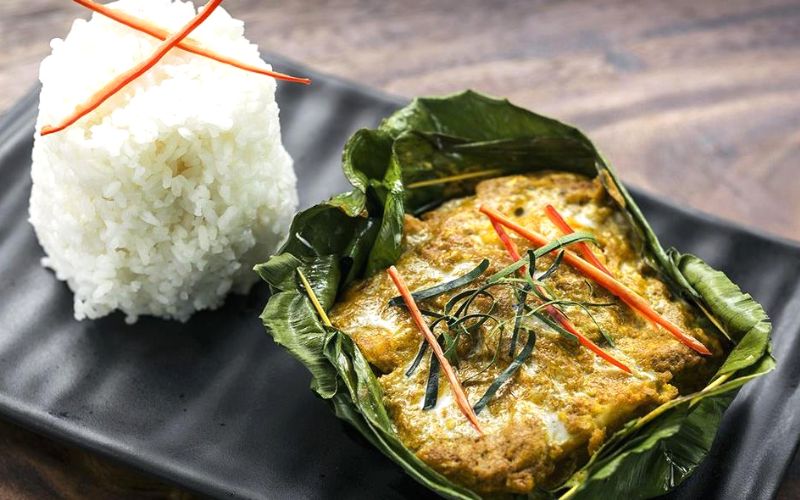
- Fish amok (steamed fish curry): A fragrant curry commonly associated with coconut, kroeung spice paste, and banana-leaf presentation.

Fish Amok
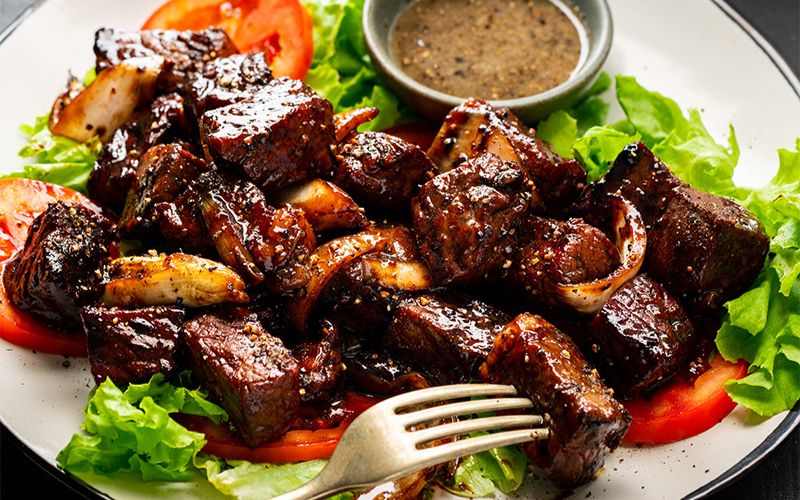
- Beef lok lak (shaking beef): Stir-fried beef served with a pepper-lime dip, rice, and often an egg.
Beef Lok Lak
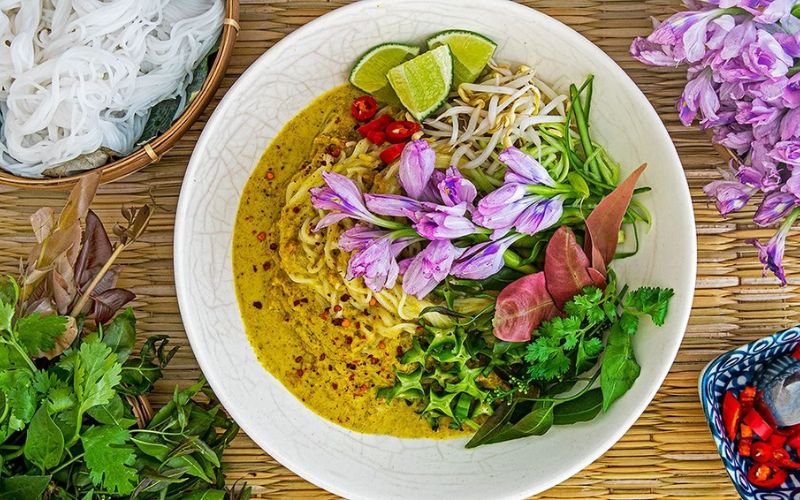
- Nom banh chok (Khmer noodles): Rice noodles with a herb-rich fish gravy, often eaten in the morning.
Nom Banh Chok
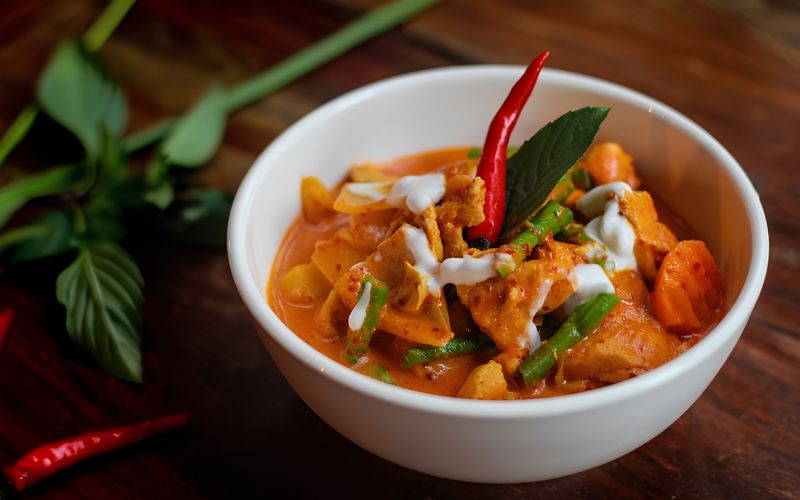
- Khmer red curry (Cambodian red curry): A milder curry than many neighboring versions, commonly served with bread or rice noodles.
Khmer red curry with chicken
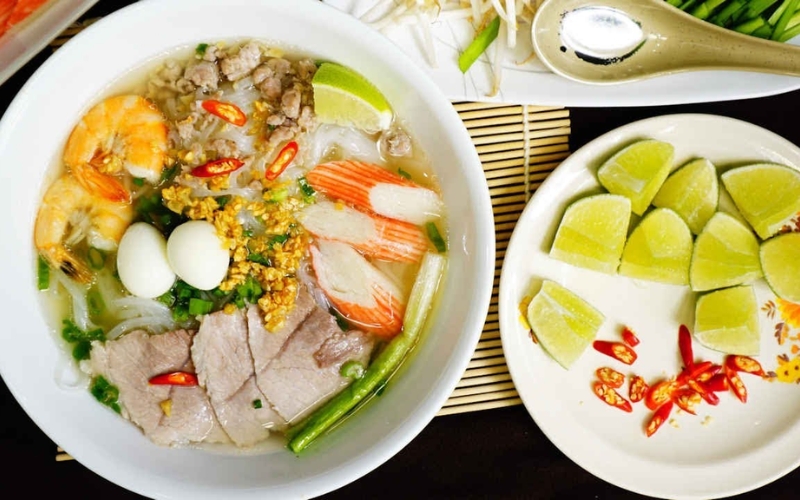
- Kuy teav (Cambodian noodle soup): A breakfast noodle soup that works well before an early temple start.
Kuy Teav, Cambodian noodle soup
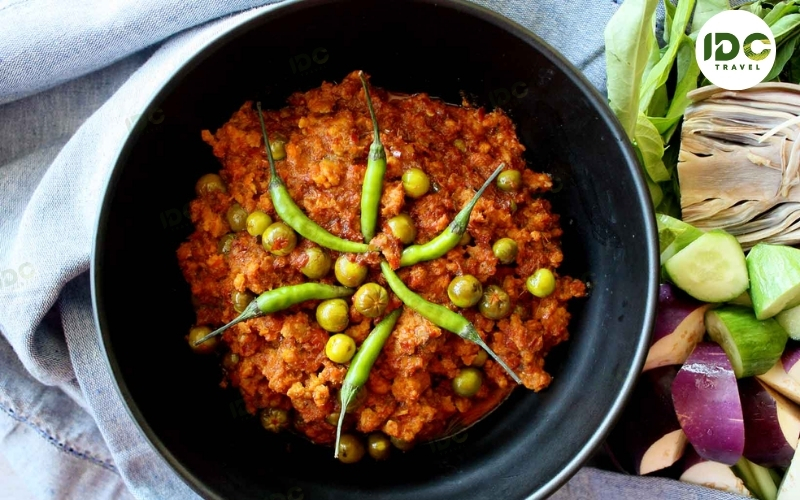
- Prahok ktis (fermented fish and coconut dip): A rich dip using fermented fish, coconut milk, pork, and vegetables, suited to adventurous diners.
Prahok ktis (fermented fish and coconut dip)
Choose busy stalls, freshly cooked food, and bottled or properly filtered water. Travelers with sensitive stomachs should introduce raw herbs and ice gradually.
Restaurants with confirmed official pages
- Malis Phnom Penh: On Norodom Boulevard, Malis presents Cambodian recipes in a polished courtyard, making it convenient for a first evening.
- Malis Siem Reap: The riverside branch on Pokambor Avenue offers a calm setting after a temple day.
- Embassy Restaurant: Embassy’s current official site confirms its Siem Reap location on Street 5 and an all-female team led by chef Kimsan Pol. It is a special-occasion choice built around a changing Khmer tasting menu, so reserve in advance and mention dietary needs when booking.
Practical Tips That Make a 5-Day Cambodia Trip Work
- Book the route before the hotels. Decide whether you are staying in Siem Reap or combining two cities, then choose airports and accommodation.
- Use one major theme per half-day. Pairing Angkor Wat, Banteay Srei, Tonle Sap, and a late performance in one day creates a schedule that looks efficient but feels punishing.
- Dress for heat and sacred sites. Use breathable clothing that covers shoulders and knees, sun protection, and shoes with grip.
- Check live arrangements. Temple access, palace hours, performances, flights, and road conditions can change. Confirm important bookings shortly before the trip.
- Choose ethical experiences. Avoid activities that exploit children, intrude on homes, or turn poverty into entertainment. Ask how fees support the community.
Shape Your Cambodia Itinerary 5 Days With IDC Travel
Five days becomes rewarding when the route matches your priorities. Stay in Siem Reap for a deeper Angkor journey, or combine Phnom Penh and Siem Reap when breadth matters more than a relaxed pace. If you want help choosing transport, guides, hotels, and daily timing, build a tailor-made Cambodia holiday around your flights and travel style.
Read More: