
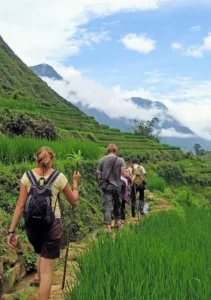
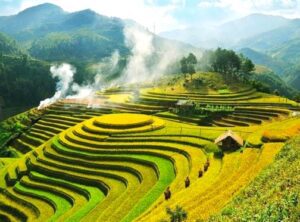
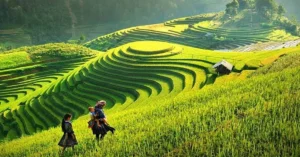
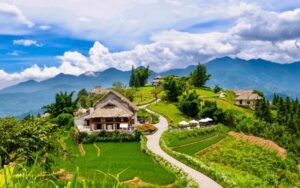

Sapa tours are ideal for travelers who want to experience Vietnam beyond cities and coastlines. Located in the far northwest of the country, Sapa offers dramatic mountain scenery, terraced rice fields, and a rich mosaic of ethnic minority cultures, all shaped by a cooler climate rarely found elsewhere in Vietnam. We are here to help you understand when to visit Sapa, what to see, and what to eat, based on the tour programs currently featured on our Sapa Tours collection.
The best time to visit Sapa is from March to May and from September to November. During these periods, the weather is relatively stable, with clear days, cool temperatures, and good visibility across valleys and mountain ranges. Spring brings blooming flowers and fresh green landscapes, while autumn offers golden rice terraces and crisp mountain air, making both seasons ideal for sightseeing and trekking.
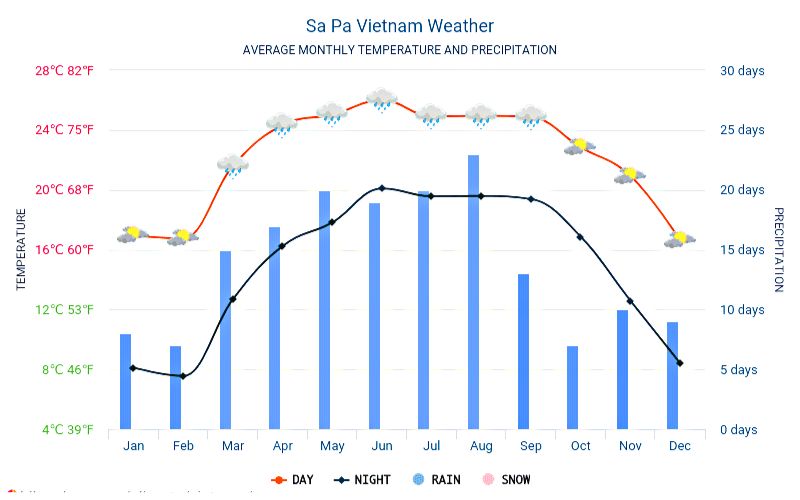
Sapa weather
From mid-December to early January, Sapa can experience very cold conditions, and light snowfall may occur for one or two days, a rare phenomenon in Vietnam. Summer months are warmer and wetter, with frequent afternoon rain, but the landscapes are at their most lush and vibrant.
>>> Read more: The best time to visit Vietnam
The best places to visit in Sapa include high mountain peaks, ethnic minority villages, scenic viewpoints, and historic landmarks. Sapa’s attractions are spread between the town center and surrounding valleys, so most Sapa tours combine short walks with half-day or full-day excursions into the countryside.
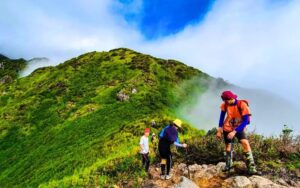
Fansipan is the highest mountain in Indochina and Sapa’s most iconic natural landmark. Rising to 3,143 meters within the Hoang Lien Son Range, Fansipan is known as the “Roof of Indochina” and offers sweeping views of northern Vietnam’s mountain landscape. Visitors can reach the summit by cable car or on guided treks, where unique alpine flora and changing ecosystems appear along the route.
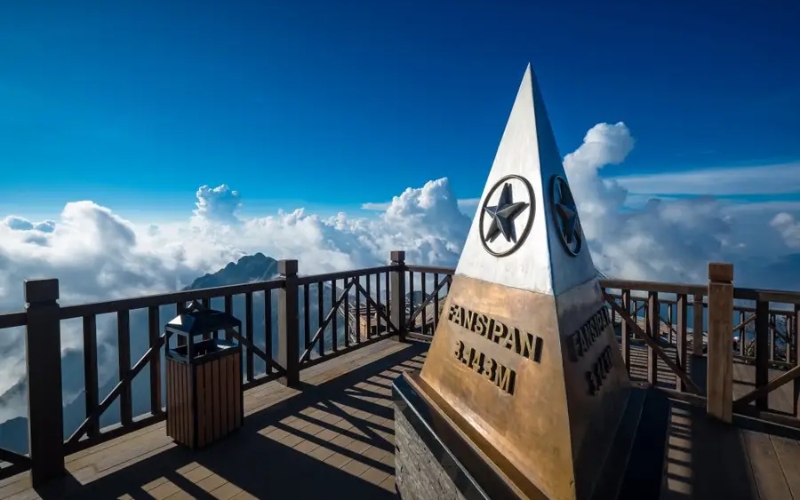
The Fansipan peak, “the roof of Indochina”
>>> You might want to check out 4 Days Mount Fansipan Trekking Tour
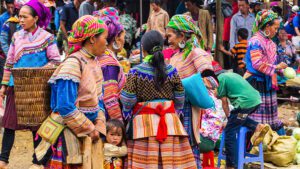
Sapa’s ethnic villages are the best places to understand local culture and daily life. Villages such as Cat Cat, Sin Chai, Ta Van, Ta Phin, Ban Ho, Y Linh Ho, and Giang Ta Chai are home to Hmong, Dao, Tay, and Giay communities, each with distinct traditions and clothing. Cat Cat and Sin Chai are closest to town, while villages deeper in the valleys offer quieter scenery, rice terraces, and homestay experiences.
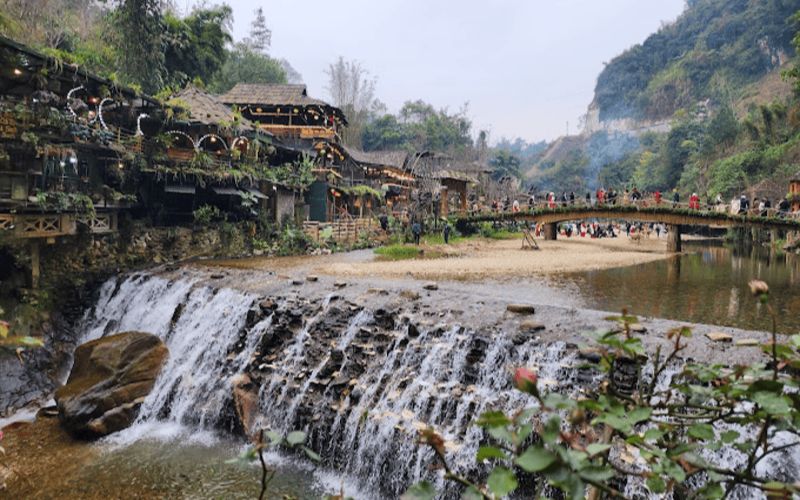
Cat Cat Village
Ham Rong Mountain is the best viewpoint overlooking Sapa town. Located near the town center, this landscaped mountain features flower gardens, stone paths, and panoramic viewpoints. From the top, visitors can see Sapa town, surrounding forests, and layered rice terraces often drifting in mist.
Sapa Stone Church is the town’s most recognizable architectural landmark. Built in 1895 during the French colonial period, the church retains its Gothic stone design and stands at the heart of Sapa. The square in front of the church is a social gathering point where locals meet, cultural events take place, and traditional brocade products are sold.
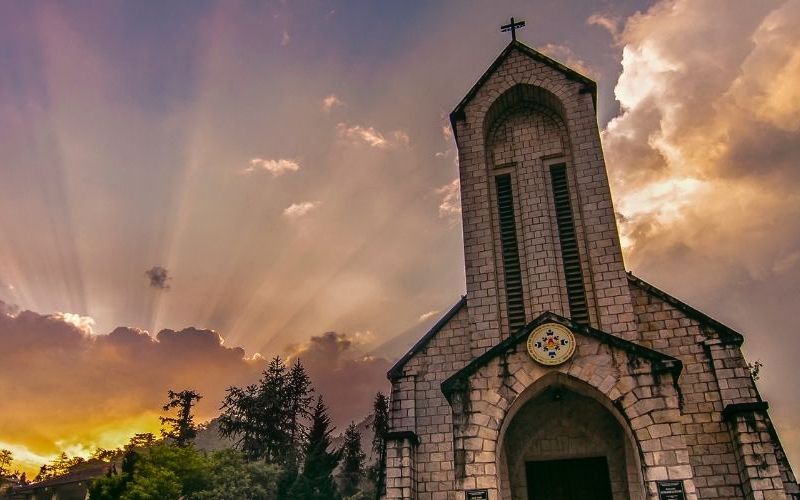
Sapa church
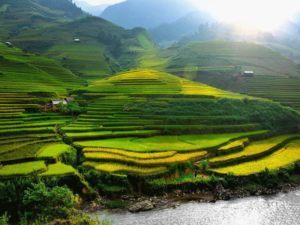
Muong Hoa Valley is the most scenic area surrounding Sapa. Stretching through Lao Chai, Ta Van, and Hao Thao villages, the valley is defined by terraced rice fields and the Hoa Stream flowing through its center. This area is recognized for both its natural beauty and cultural value, making it a highlight of trekking tours.
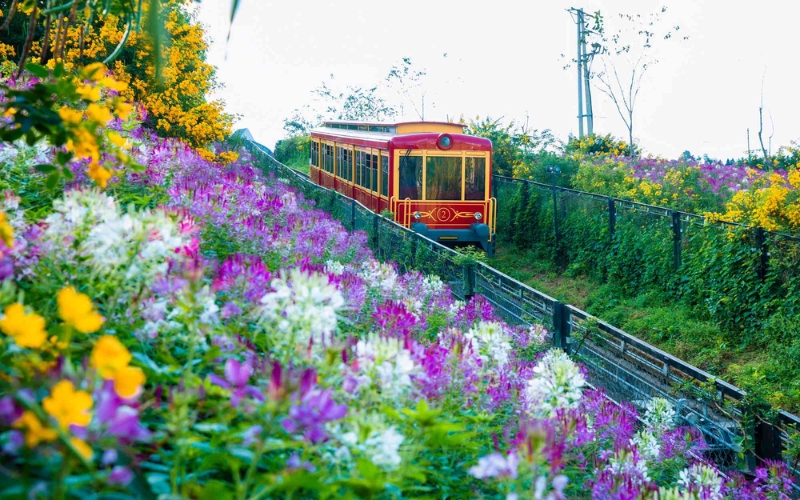
The Muong Hoa mountain train offers a unique and leisurely way to admire the beauty of the valley
The best dishes in Sapa include five-color sticky rice, smoked buffalo meat, local pork, and fresh salmon. Sapa’s cuisine reflects the traditions of ethnic minority communities and the region’s cool mountain climate, resulting in hearty, flavorful dishes unlike those in lowland Vietnam.
Five-color sticky rice is Sapa’s most symbolic traditional dish. Prepared by the Tay ethnic people, this dish features five natural colors representing the five elements of life: earth, plant, fire, metal, and water. All colors come from forest leaves and flowers, making it both visually striking and culturally meaningful.
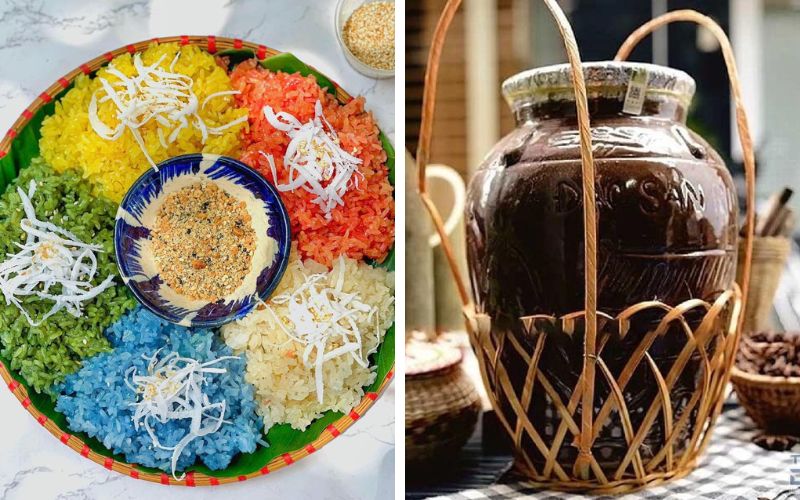
Xoi Ngu Sac & Ruou Can
Sapa salmon is one of the region’s most surprising specialties. Thanks to the cool climate, salmon originally bred from Scandinavian strains can be farmed year-round in Sapa. The fish is lean, nutritious, and commonly served as hotpot, grilled salmon, salad, or sashimi.
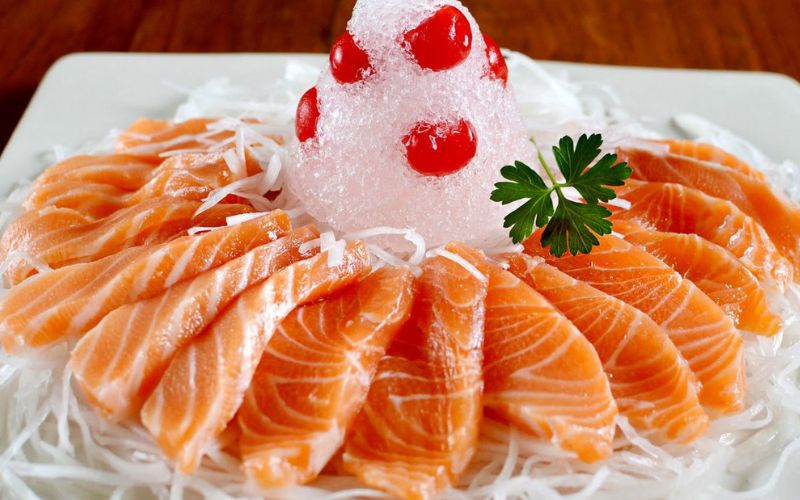
Sapa’s salmon dishes are an unexpected highlight of northern Vietnam’s food scene.
Thit lon cap nach is a local pork specialty raised naturally in the mountains. These small pigs are free-range, resulting in tender meat with low fat content. The name refers to their size, as locals traditionally carried them under one arm to market.
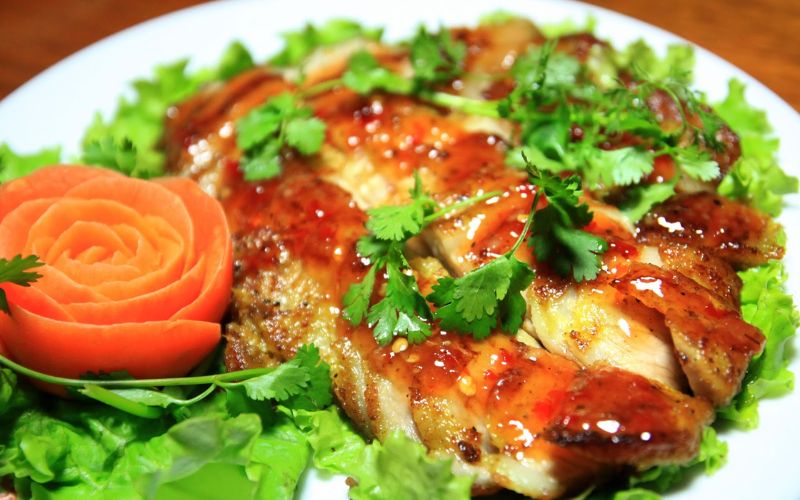
Raised in the highlands and cooked simply, Sapa’s free-range pork is rich, tender, and deeply tied to local mountain life.
Dried buffalo meat is Sapa’s most famous preserved food. Originally created to store food during long rainy seasons, the meat is smoked over kitchen fires and seasoned with salt, garlic, ginger, and chili. It has a deep, smoky flavor and is closely associated with Black Thai culinary traditions.
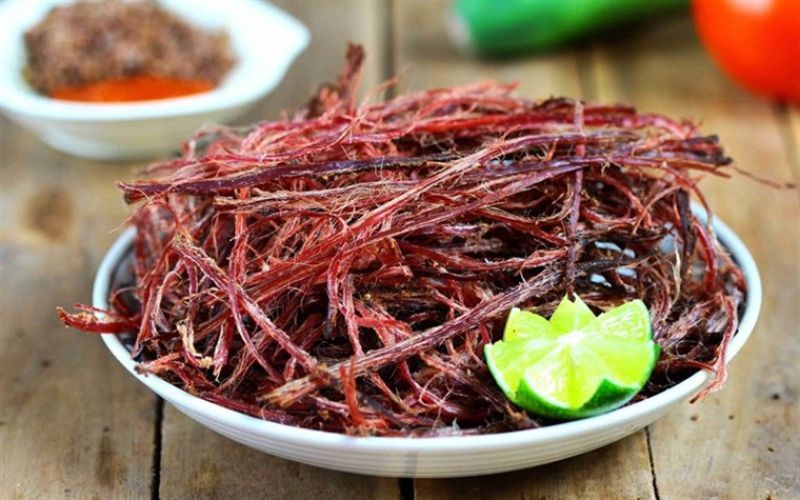
Dried buffalo meat is one of Sapa’s most distinctive flavors, born from mountain life and cold weather traditions.
>>> Read more: Top 30 Popular Vietnamese Dishes beyond Pho
We hope the above article provides you with useful information about Sapa. If you are interested in Sapa tours, don’t hesitate to contact us.

Vietnam currency is the Vietnamese dong, written as VND or ₫. For most trips, the easiest approach is to pay everyday expenses…

The best things to do in Vietnam are cruising Ha Long Bay overnight, eating your way through Hanoi’s street food, wandering the…

Vietnam packages from Cape Town are easiest to compare when international airfare and the Vietnam land programme are priced separately. Current airline…
