
Whatever you want from your Vietnam, Cambodia, Laos, Myanmar & Thailand tour, our travel advisors are ready to help you with 1:1 advice.
Call our local experts: +84913.000.858
Vietnam eco tours are undoubtedly becoming more and more well-known, but more tourists means a greater risk to the environment. So what should a traveler do if they are drawn to Vietnam but don’t want to help out? Ecotourism is one solution that might work. A fantastic way to explore a nation as diverse and culturally rich as Vietnam without much concern for your carbon footprint is to take a tour that focuses on sustainable practices.
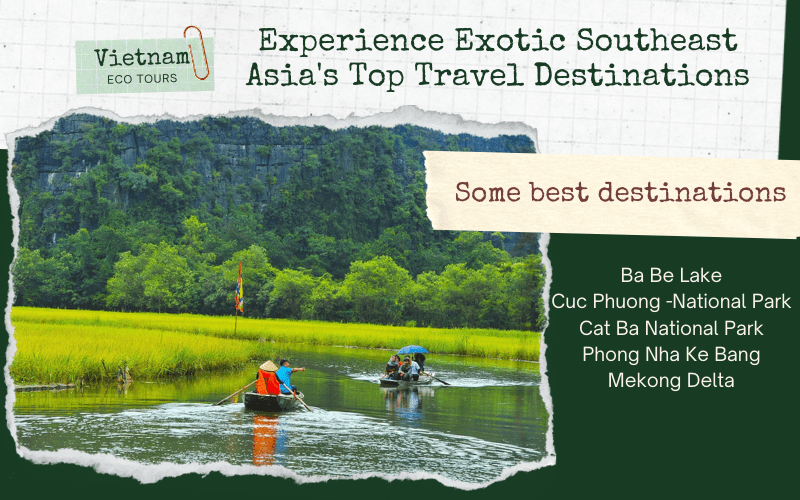
Vietnam ecotourism
Ecotourism is a form of responsible travel that focuses on experiencing natural environments while actively minimizing environmental impact and supporting local communities. In practice, this means visiting national parks, rural areas, wildlife reserves, and protected landscapes in ways that respect ecosystems, reduce waste, conserve resources, and contribute economically to local people.
In destinations such as Vietnam, ecotourism in 2026 goes beyond simply “being in nature.” It often includes staying in community-run lodges, traveling in small groups, choosing low-impact transport, and learning directly from local guides about biodiversity, traditional livelihoods, and conservation efforts. When done properly, ecotourism allows travelers to enjoy unspoiled landscapes while helping ensure those places remain protected and livable for future generations.
Ecotourism is best suited to travelers who value meaningful experiences over mass tourism and are comfortable trading convenience for authenticity. If you enjoy being outdoors, engaging with local communities, and exploring places that feel less staged and more lived-in, ecotourism is likely a natural fit.

The best suited for ecotourism
That does not mean skipping Vietnam’s iconic highlights. Well-designed ecotourism itineraries often combine cultural landmarks such as Hanoi, Ho Chi Minh City, or UNESCO-listed heritage sites with time spent in national parks, rural villages, and protected landscapes. Longer journeys, in particular, allow travelers to balance urban discovery with hands-on learning about conservation, traditional livelihoods, and local ecosystems.
In short, ecotourism works for a wide range of travelers. Whether you are drawn to vibrant cities, quiet nature, or a mix of both, responsible travel in Vietnam offers flexible experiences that are immersive, rewarding, and aligned with sustainable values.
Vietnam is exceptionally well suited to eco-friendly travel, with a nationwide network of protected areas and living landscapes where nature and local communities are closely intertwined. From northern lakes and limestone forests to coastal islands and river deltas, these destinations allow travelers to experience Vietnam responsibly while supporting conservation and local livelihoods.
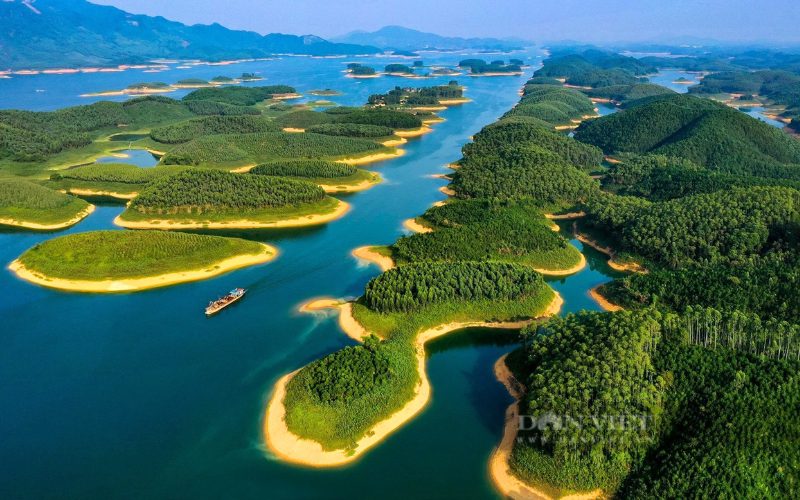
Located in Bac Kan Province, Ba Be Lake sits at nearly 1,000 meters above sea level and is part of Ba Be National Park. Ancient geological activity formed the lake, encircling it with dense forest and karst mountains. It plays an important role in local life as a freshwater source and fishing ground. Visitors can explore the area by boat, hike through ethnic minority villages, watch birds, or simply enjoy the quiet, unspoiled setting.
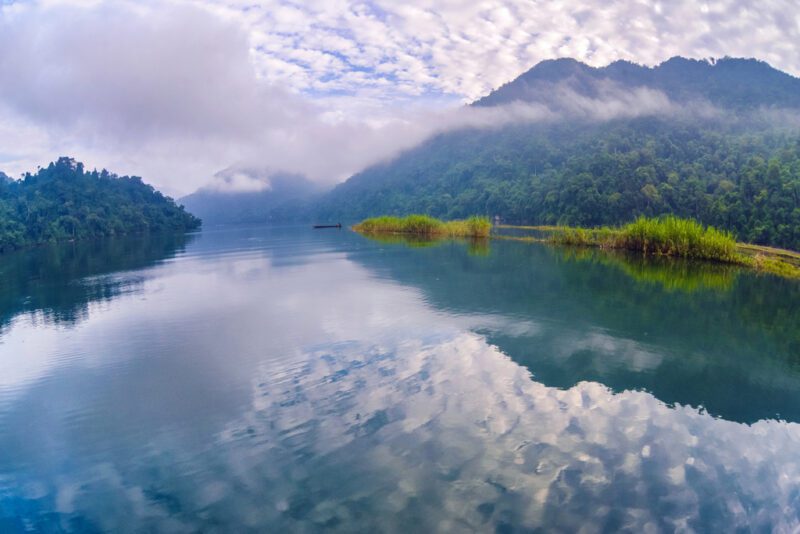
Ba Be Lake
Vietnam’s first national park is known for its rich biodiversity and well-preserved tropical forest. Cuc Phuong is home to rare plant species, endangered wildlife, limestone caves, and conservation centers for primates and turtles. The dry season from November to April offers the best conditions for walking trails and wildlife observation, with fewer crowds and cooler weather.
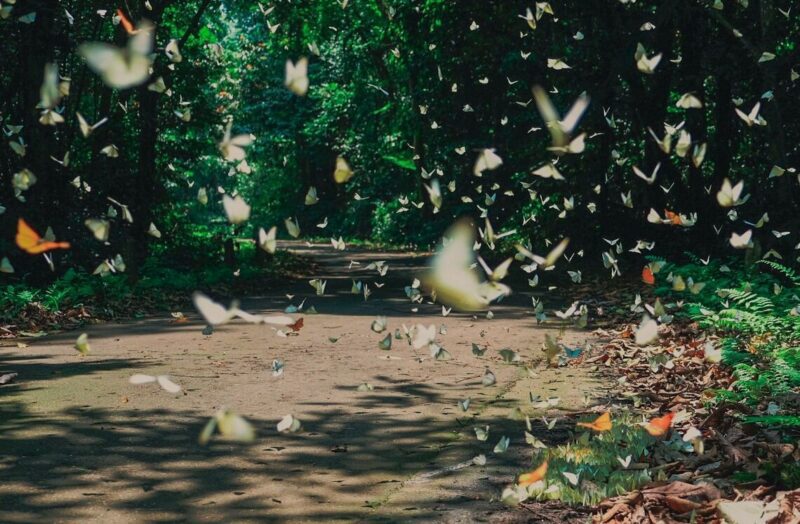
Butterfly season in Cuc Phuong National Park
Located on Cat Ba Island, this national park protects more than 15,000 hectares of forest, karst hills, and coastal ecosystems. It is one of the most biologically diverse areas in northern Vietnam, with hundreds of plant species and rare animals, such as the Cat Ba langur. Hiking, kayaking, and community-based tourism make Cat Ba a strong example of sustainable island travel.
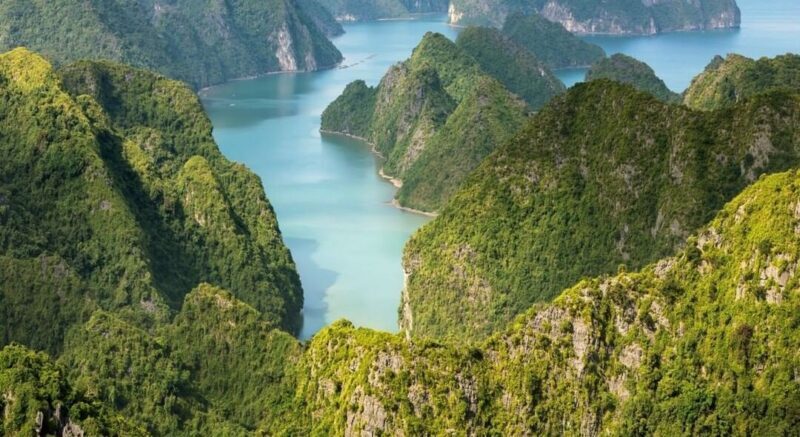
Cat Ba National Park
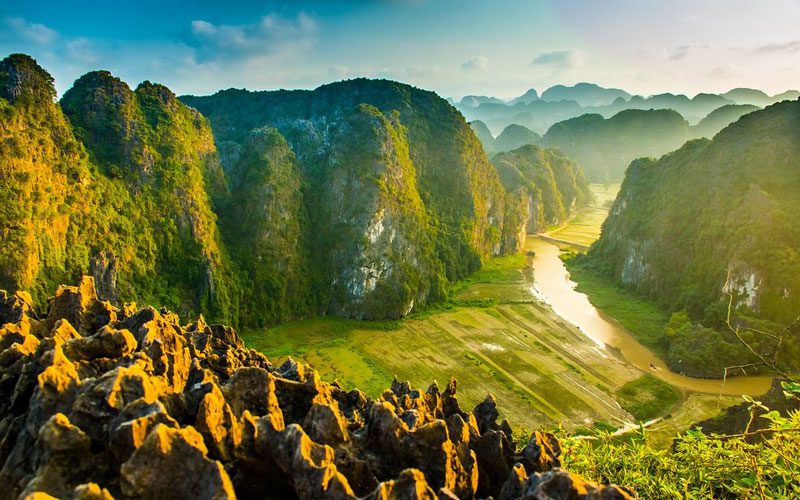
Situated near the Laos-Vietnam border, this UNESCO World Heritage Site is renowned for its vast karst landscapes and cave systems, including some of the largest caves on Earth. Beyond caves, the park also supports dense forests, rivers, and high biodiversity. We carefully manage guided cave exploration, trekking, and river activities to protect the fragile environment.
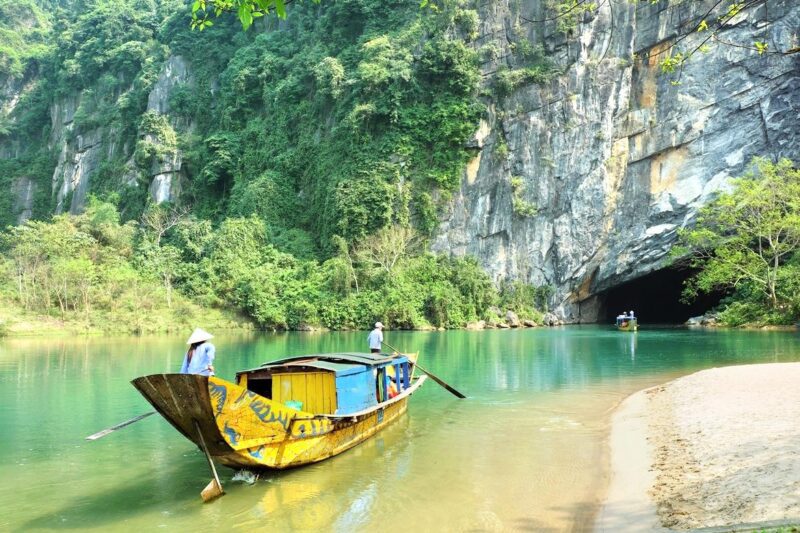
Phong Nha-Ke Bang National Park
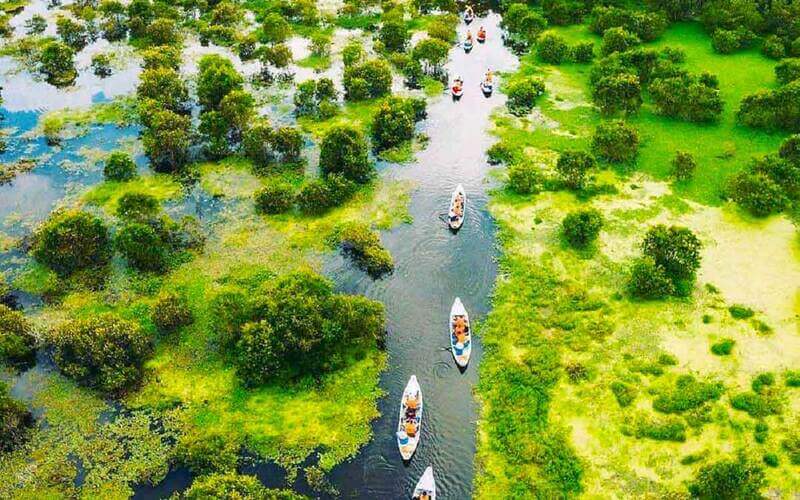
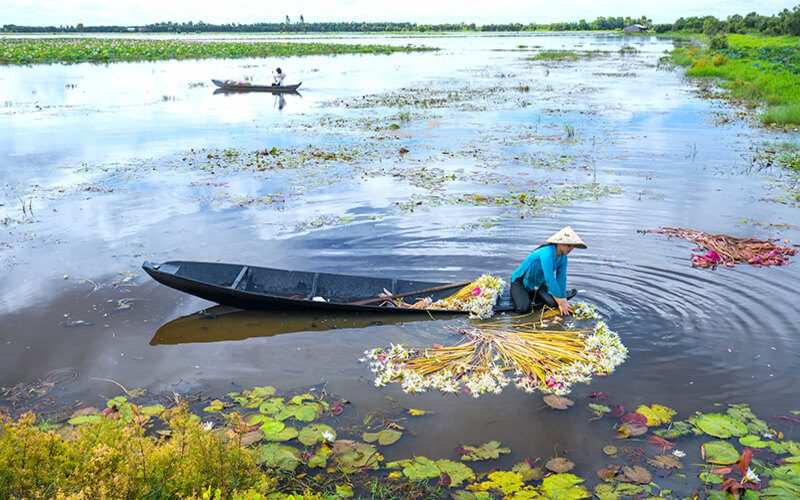
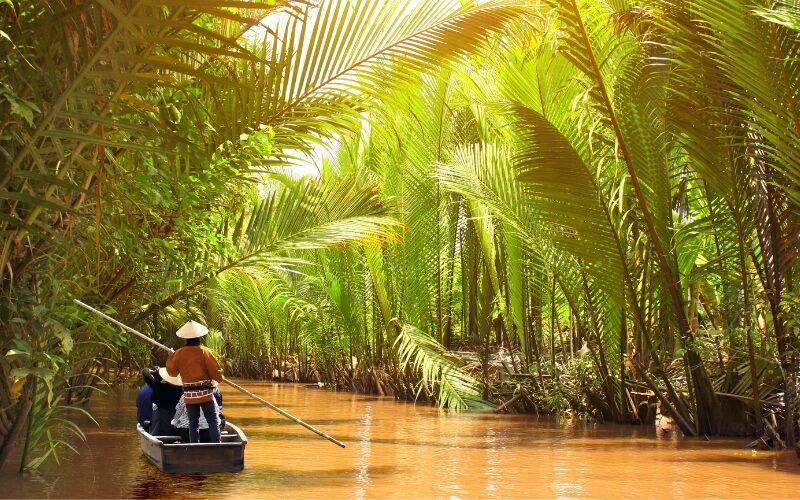
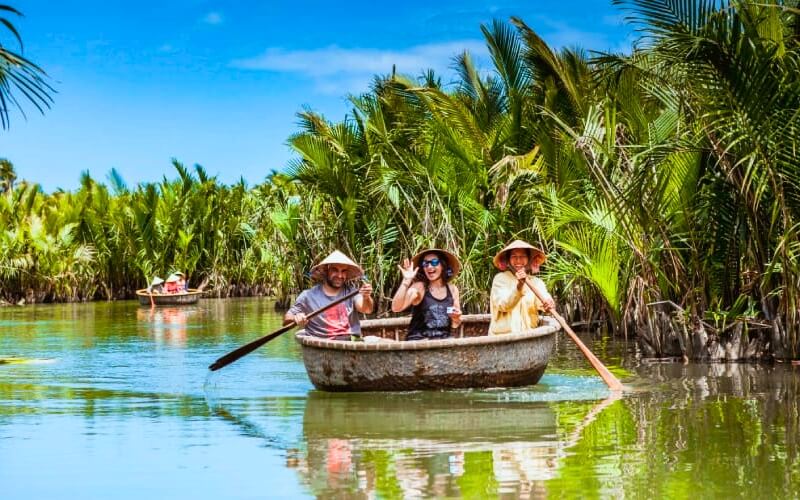
The Mekong Delta is one of Southeast Asia’s most ecologically rich regions, shaped by rivers, wetlands, mangroves, and floodplains. Eco-tours here focus on slow travel and daily life along the waterways, from floating markets like Cai Be to village visits and fruit orchards. Travelers can cycle through rural paths, join cooking classes, and learn how communities adapt to life on the river while preserving traditional practices.
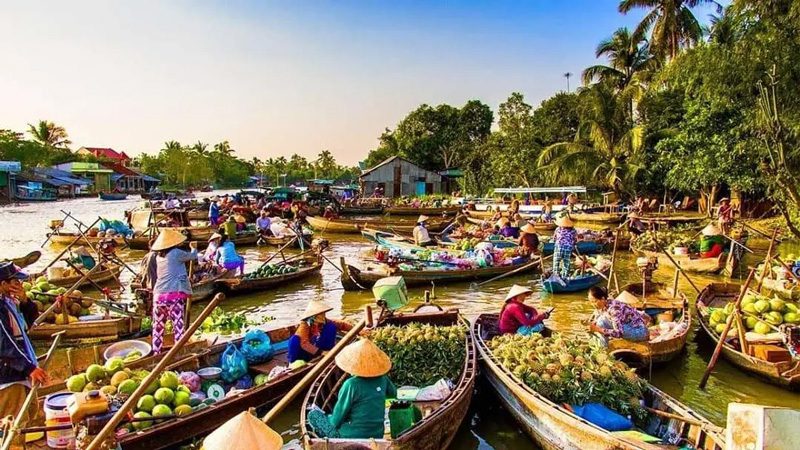
Floating market on the Mekong river
Together, these destinations show why Vietnam is a leading eco-travel destination in Asia: they offer genuine nature experiences, cultural connection, and opportunities to travel responsibly without sacrificing depth or comfort.
Vietnam ecotourism tours are travel experiences designed to minimize environmental impact while maximizing cultural and ecological value. These tours focus on protected natural areas, wildlife conservation, small-group travel, and meaningful interaction with local communities, rather than mass tourism or rushed sightseeing.
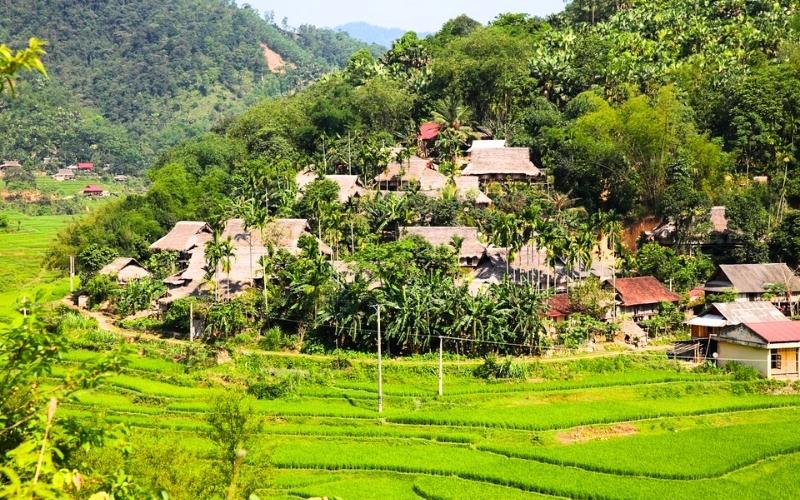
Unlike conventional tours that prioritize convenience and popular attractions, ecotourism tours emphasize sustainability and authenticity. They often include stays in community-run lodges, guided visits to national parks, low-impact transportation, and educational experiences about local ecosystems, culture, and conservation efforts.
Vietnam eco tours are a suitable option for anyone who expects to experience nature in this land. It is rich in cultural and natural attractions that can entertain the whole family.
When it comes to historical and cultural sites, you won’t be disappointed if you have cities like Ho Chi Minh City, Hanoi, and Hoi An to explore.
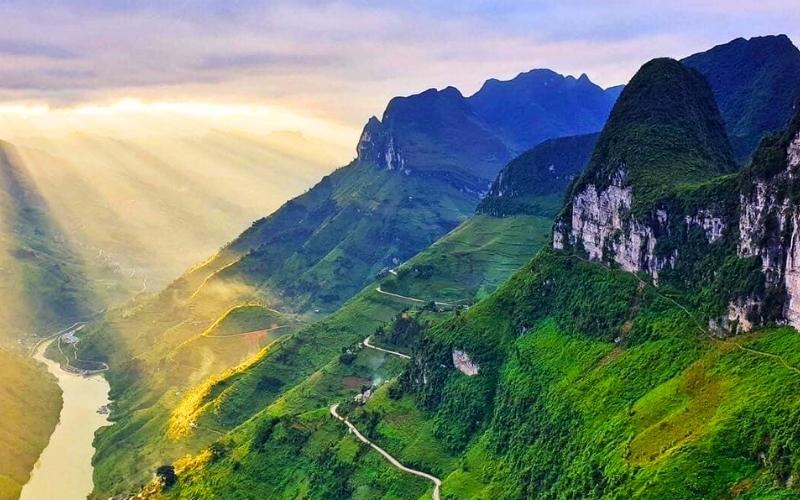
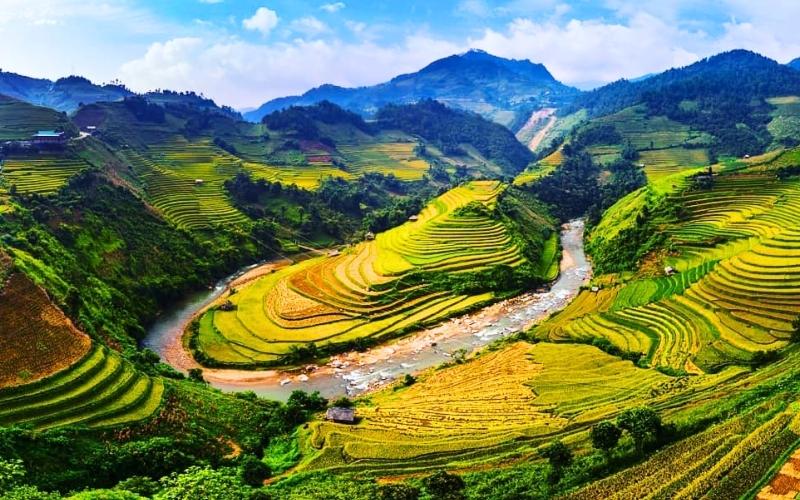
The Vietnamese landscape is absolutely breathtaking, with its magnificent islands, huge beaches, rice terraces, and mountains.
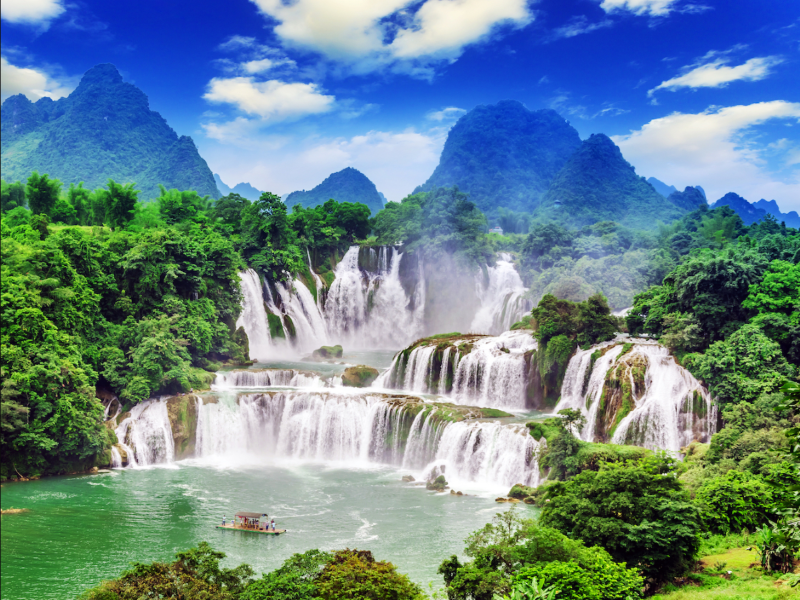
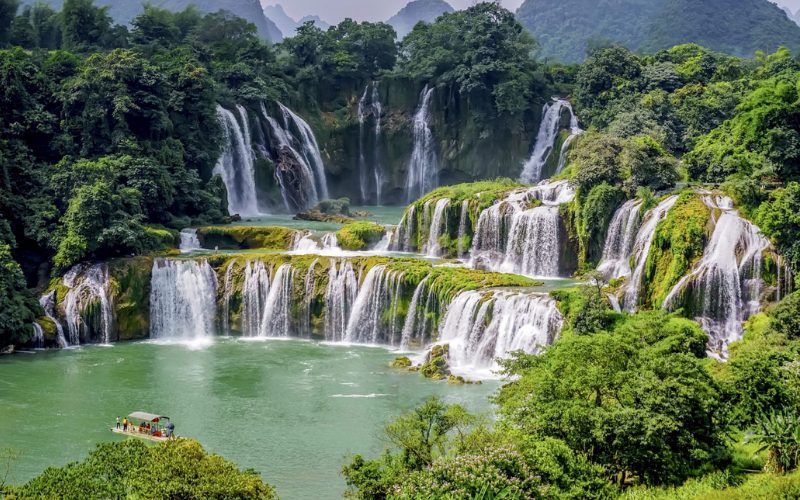
Must-see attractions include the fascinating Phong Nha National Park and its incredible cave system, the Cao Bang Mountains, and Halong Bay, which is one of the most popular sites in the country with its limestone towers and its emerald waters.
We offer you private and tailor-made trips according to your desires and the length of your stay.
It can be a trip from North to South in the three main regions of Vietnam, focusing on the must-see sites. For example: Vietnam Ecotourism and Adventure tour from North to South in 15 Days
It can also be a totally immersive stay by discovering only the landscapes and ethnic groups of the north of the country, such as: Explore Northern Vietnam by trails in 15 days
Not necessarily. Many Vietnam ecotourism tours offer comfortable accommodations while still following sustainable practices. The key difference is thoughtful design: smaller group sizes, locally owned lodges, and experiences that prioritize environmental and cultural responsibility rather than luxury excess.
>>> Check out Vietnam Eco Tours to see more activities.

Vietnam currency is the Vietnamese dong, written as VND or ₫. For most trips, the easiest approach is to pay everyday expenses…

Vietnam’s golden rice fields turn gold on a rolling schedule that runs from late May all the way through November, so “rice…

Ho Chi Minh City nightlife runs on a completely different clock than the daytime city. Once the heat breaks, rooftop bars light…
