

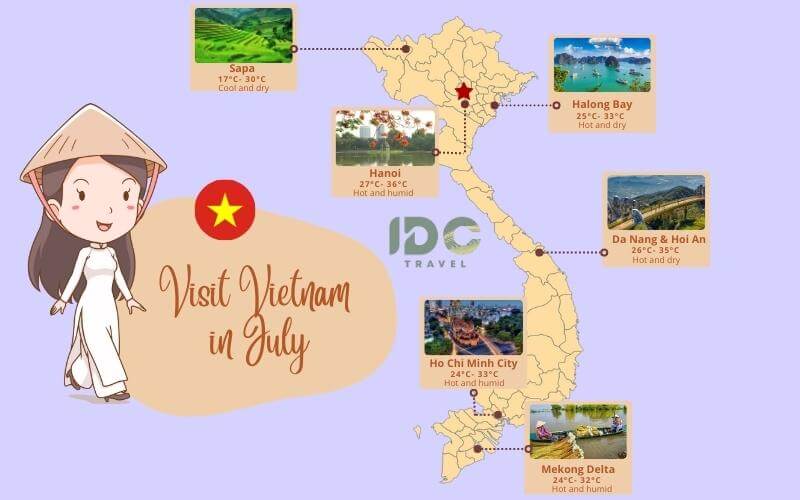
Visit Vietnam in July right in the middle of summer. The heat is real, the rain shows up most afternoons, and yet this is also when some of the country’s best beach weather arrives. Whether July works for your trip depends entirely on which part of Vietnam you are visiting and what kind of traveler you are.
This guide breaks down the weather in Vietnam in July region by region, highlights the destinations worth your time, covers local festivals you might encounter, and gives you the practical details that make the difference between a good trip and one you will remember for years.
Understanding Vietnam Weather in July
Vietnam stretches over 1,600 kilometers from north to south, which means July weather varies dramatically depending on where you land. The north experiences hot days with heavy afternoon rains, central coastal areas bask in dry sunshine perfect for beach lovers, while the south settles into its rainy season rhythm with brief but intense tropical showers.
1. Northern Vietnam
- Lowland areas (Hanoi, Ninh Binh): 27°C to 33°C (81°F to 91°F), up to 35°C or 38°C (95°F to 100°F)
- Coastal areas (Halong Bay): 27°C to 32°C (81°F to 90°F)
- Mountainous areas (Sapa, Ha Giang): 18°C to 24°C (64°F to 75°F)
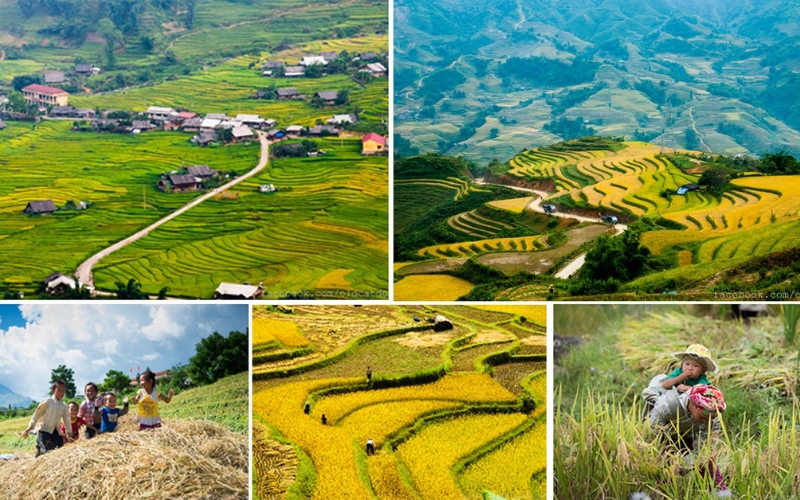
Golden rice fields in full bloom across Northern Vietnam
In Northern Vietnam, weather in July brings sweltering heat and daily rain. The sun blazes throughout the morning, followed by heavy downpours that cool things down temporarily before the humidity returns.
Lowland areas like Hanoi and Ninh Binh sit at the hotter end. Hanoi July weather is intense and there is no way around it. Humidity makes it feel closer to 38°C (100°F). The rain usually arrives between 3pm and 6pm, then clears by evening.
Coastal areas like Halong Bay get a similar pattern to Hanoi, though morning mist sometimes adds drama to the limestone karsts. Water temperature hovers around 28°C to 29°C (82°F to 84°F), warm enough for swimming.
Mountainous areas like Sapa and Ha Giang are noticeably cooler. But July is one of the wettest months in the mountains, with rain falling on 20 to 25 days.
2. Central Vietnam
- Coastal areas (Da Nang, Hoi An, and Nha Trang): 26°C to 33°C (79°F to 91°F)
- Lowland cities (Hue): up to 36°C to 38°C (97°F to 100°F)
- Mountainous areas (Da Lat): 18°C to 25°C (64°F to 77°F)
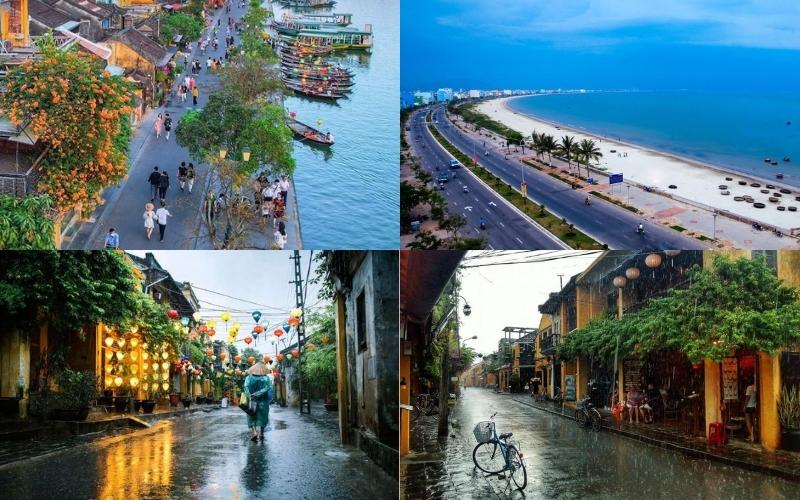
The two faces of Central Vietnam: bright and breezy in the dry season, calm and romantic in the rain.
In Central Vietnam, July unfolds with brilliant sunshine, gentle ocean breezes, and consistently dry days. Central Vietnam runs on a different monsoon cycle than the rest of the country. Its rainy season does not start until September or October, so July sits right in the middle of the best beach weather.
Coastal areas like Da Nang, Hoi An, and Nha Trang enjoy clear skies and significantly less rainfall than the north or south. The water is calm, the skies are mostly blue, and the beaches along the Da Nang and Hoi An coastline are at their finest.
Lowland cities like Hue get hotter, reaching up to 36°C to 38°C (97°F to 100°F) some days, but remain dry and sunny. Hue radiates under clear skies, inviting visitors to explore its royal citadel and riverside paths. If you can handle the heat, July is an excellent time to visit the Imperial Citadel and the royal tombs without the crowds that come during peak season.
Mountainous areas like Da Lat in the Central Highlands sit at a cooler 18°C to 25°C (64°F to 77°F). Da Lat, perched high in the mountains, enjoys a cooler climate with occasional light rain. The Central Highlands receive scattered showers that add a touch of freshness to the air.
3. Southern Vietnam
- Lowland cities (Ho Chi Minh City): 24°C to 32°C (75°F to 90°F)
- Delta and lowland areas (Mekong Delta): 26°C to 32°C (79°F to 90°F)
- Coastal islands (Phu Quoc): 25°C to 30°C (77°F to 86°F)
Cultural quintessence of Southern Vietnam
Southern Vietnam in July is deep into the rainy season, bringing hot, humid days and refreshing afternoon showers. Tourists can still enjoy plenty of dry hours for sightseeing, with the occasional downpour adding a cooling break from the heat.
Lowland cities like Ho Chi Minh City sit at the hotter end. Rain usually falls in intense bursts in the late afternoon, lasting an hour or two, and then the city dries out. Mornings and early afternoons are often sunny and hot. The air is thick with tropical energy: a mix of sunshine, brief rainfall, and busy streets.
Delta and lowland areas like the Mekong Delta are lush and green. The Mekong Delta flourishes in this season, its waterways and rice fields at their most fertile. Boat trips through the floating markets still run rain or shine.
Coastal islands like Phu Quoc feel pleasant despite the humidity. Rainfall can be heavy (around 200mm to 250mm for the month), but July also has some of the longest daylight hours of the year on the island, over 12 hours on clear days. In Phu Quoc, July continues the sea turtle nesting season that begins in June.
Best Places to Visit Vietnam in July
Not every destination works equally well in July. Here are the places that earn their spot on a July itinerary, with honest assessments of what to expect.
1. Da Nang and Hoi An (Top Pick for July)
If you only have one week and want the best weather to visit Vietnam in July, head to Central Vietnam. Da Nang gives you city beaches, the Marble Mountains, the Golden Bridge at Ba Na Hills, and excellent seafood. My Khe Beach consistently ranks among Asia’s best beaches, and July is when it looks its finest. The water is clear, the sand is clean, and the backdrop of the Marble Mountains creates a dramatic setting.

The breathtaking Golden Bridge in Ba Na Hills, Da Nang — where sunrise meets the sky above the clouds.
Hoi An, 30 minutes south of Da Nang, gives you the ancient town, tailor shops, cooking classes, riverside cafes, and nearby beach escapes. The combination works perfectly: spend mornings exploring Hoi An’s old streets before the heat peaks, afternoons at An Bang Beach, and evenings back in the ancient town when the lanterns create that famous glow over the Thu Bon River.
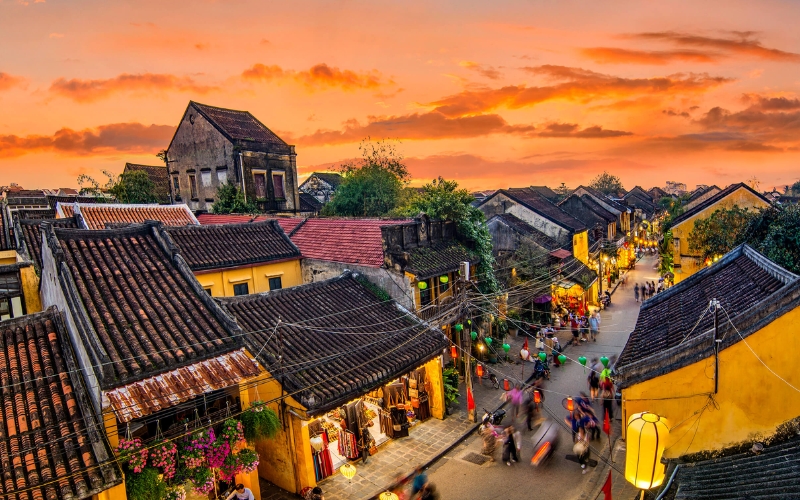
The enchanting sunset in Hoi An
>>> The Da Nang and Hoi An tours offered by local operators make logistics simple, covering transport between sites and often including cooking classes or countryside bicycle rides.
2. Hanoi and Halong Bay
Hanoi in July is hot, but the city has a different energy in summer. Locals gather around Hoan Kiem Lake in the evenings when temperatures drop slightly. The Old Quarter’s street food scene is at its most active, with vendors staying open late to catch the cooler hours. The famous egg coffee at Giang Cafe tastes even better when you are sweating through your shirt.
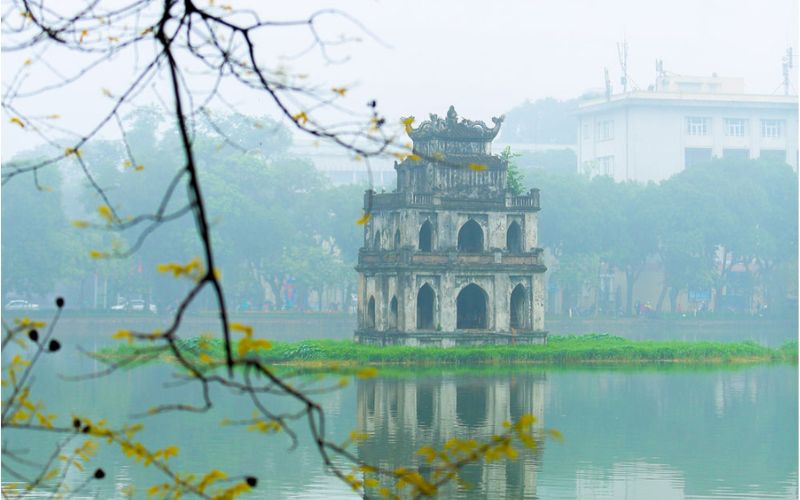
Hoan Kiem Lake in Hanoi
A two-day, one-night Halong Bay cruise is still very much worth doing in July. The bay can be moody with morning fog and afternoon clouds, which actually adds atmosphere to the limestone karsts rather than detracting from them. Book a mid-range to luxury cruise with air-conditioned cabins and outdoor deck space. The contrast between the cool interior and warm deck views is part of the experience.
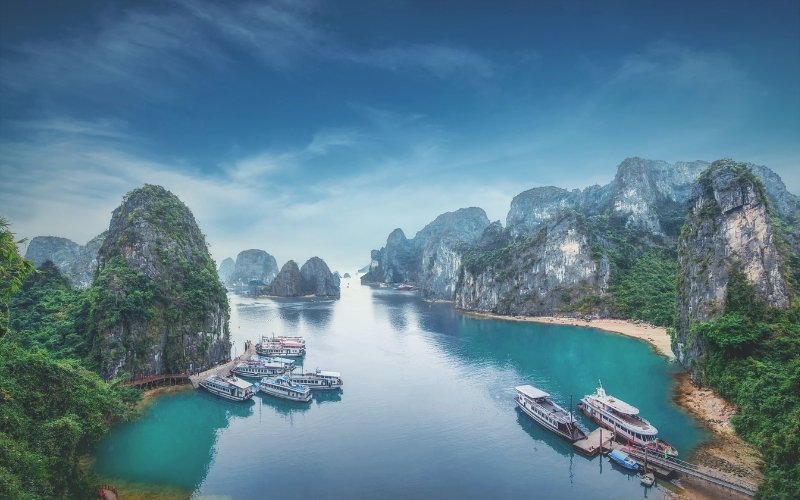
Majestic Ha Long Bay — where emerald waters meet towering limestone cliffs, offering one of Vietnam’s most breathtaking natural wonders.
>>> The Hanoi City Tours help you navigate the Old Quarter, visit Ho Chi Minh’s Mausoleum, and understand the French Quarter’s colonial architecture without getting lost in the maze of streets.
3. Nha Trang
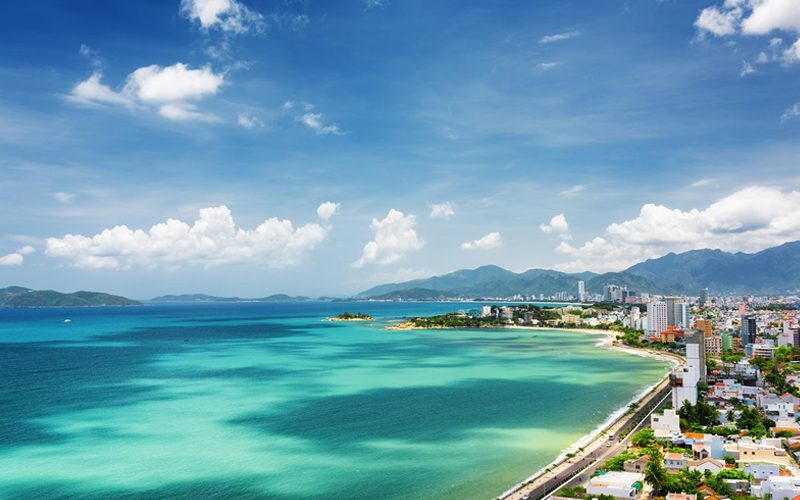
Nha Trang in July offers some of the year’s best beach and water sports conditions. The city stretches along several kilometers of coastline backed by mountains. The beach is wide, the promenade is well-maintained, and the water is calm enough for swimming and clear enough for snorkeling.
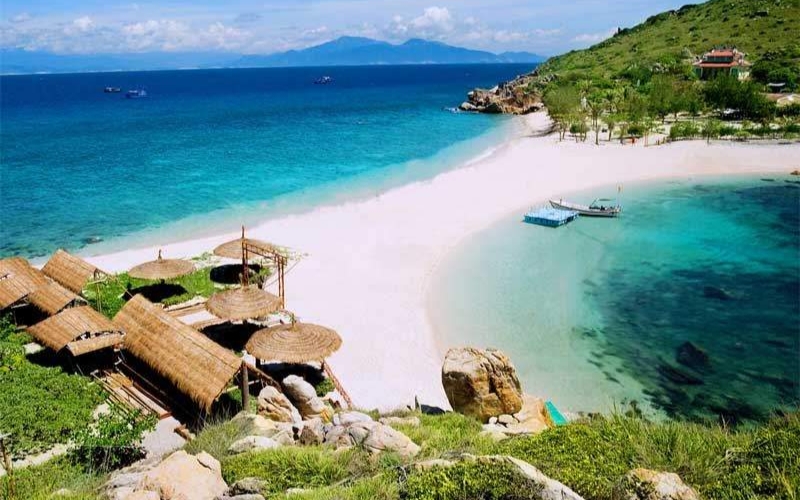
Nha Trang is also famous for its beautiful tropical islands
Nha Trang is where Vietnamese families vacation in summer, so July sees domestic tourism peak. This means the beach gets crowded, restaurants fill up faster, and hotel prices inch higher than shoulder season. But it also means the city has an energetic, festive atmosphere. Street food vendors multiply, night markets expand, and the beachfront comes alive after sunset.
4. Sapa and Northern Highlands
Sapa in July is beautiful but wet. The rice terraces are their most vibrant green, filled with water reflecting the sky when clouds break. But those clouds break less frequently in July than in other months.
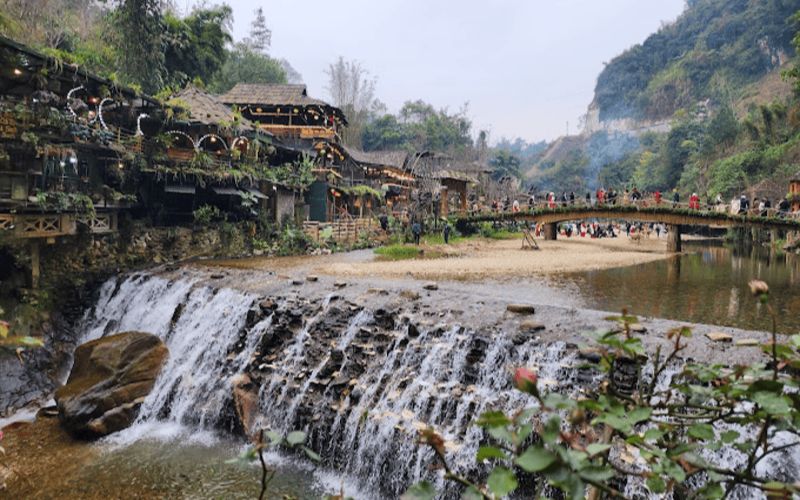
Cat Cat Village in Sapa
If you go, book a homestay in one of the surrounding villages rather than staying in Sapa town. The experience of waking up inside a rice terrace valley, watching the clouds drift through the fields, and sharing meals with a local family makes up for the challenging trekking conditions. Bring proper waterproof gear, good hiking boots, and flexible expectations about how much you will see.
>>> The Sapa tours typically run two or three days, with options ranging from moderate treks to more challenging routes through multiple villages.
5. Phu Quoc
Phu Quoc in July is a gamble that can pay off. The island is technically in the rainy season, but July tends to have sunny mornings and cloudy afternoons with rain falling late afternoon or evening. If you can work with that schedule, you get access to Phu Quoc’s beautiful beaches at lower prices and with far fewer tourists than during peak season.
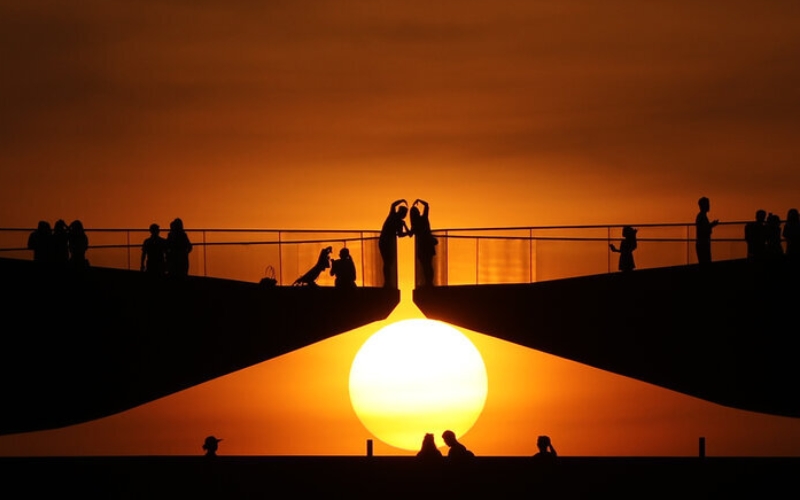
Romantic sunset at Phu Quoc Kiss Bridge
Long Beach (Bai Truong) stretches for 20 kilometers along the western coast. Even in July, you can find stretches where you are the only person visible. Sao Beach on the southeast coast is worth the bumpy road to get there. The sand is powdery white, the water is remarkably clear, and the beach stays relatively quiet even during Vietnamese summer holidays.
>>> The Phu Quoc tours cover island highlights including the pepper farms, fish sauce factories, and snorkeling trips.
6. Ho Chi Minh City
Saigon in July is for indoor culture, food, and air-conditioned museums. The city’s colonial architecture looks beautiful in the rain. The War Remnants Museum provides essential historical context for understanding Vietnam. The Cu Chi Tunnels, an hour north of the city, are fascinating regardless of weather since most of the experience happens underground.
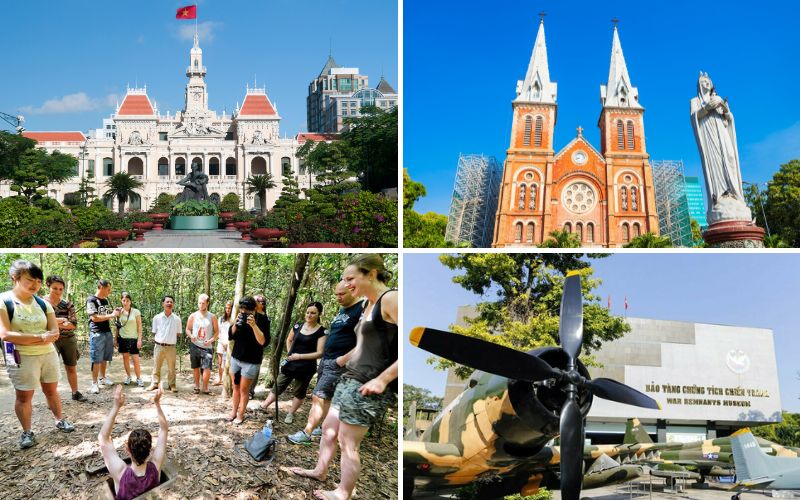
Cu Chi Tunnel and Ho Chi Minh City Tour
>>> The Ho Chi Minh City tours can be tailored around indoor highlights and evening food walks, avoiding the hottest and wettest parts of the day.
Festivals and Cultural Events in July
July is not Vietnam’s biggest festival month, but a few events are worth timing your visit around if dates align.
Tet Doan Ngo (Double Fifth Festival)
This traditional festival falls on June 18, 2026 (though it sometimes extends into early July depending on the lunar calendar). It marks the summer solstice and the beginning of a new rice crop. Families eat sticky rice dumplings (banh u), fermented sticky rice (com ruou), and seasonal fruits believed to bring good health during the hot months.
Da Nang International Fireworks Festival
The Da Nang International Fireworks Festival (DIFF) typically runs from June through July, with shows on Saturday evenings along the Han River. Teams from multiple countries compete, and the city schedules music performances and food festivals alongside the fireworks. The 2026 edition will likely follow this pattern.
Hoi An Full Moon Lantern Festival
This monthly event happens on the 14th day of each lunar month. In July 2026, this falls around mid-month. The ancient town dims its electric lights, and thousands of paper lanterns create a warm glow over the streets and the Thu Bon River. Locals release floating lanterns on the river while traditional music performances happen at various points through the old town.
What to Pack for Vietnam in July
Packing to visit Vietnam in July is about managing heat, rain, and humidity with as little gear as possible.
Essential Items
- Lightweight, breathable clothing is non-negotiable. Cotton and linen work best. Synthetic fabrics trap heat and make you sweat more. Bring more shirts than you think you need because you will sweat through them quickly.
- A compact rain jacket or poncho will get used almost daily outside central Vietnam. The packable rain jackets that fold into their own pocket are ideal. They take up minimal space in your bag and dry quickly.
- Waterproof sandals or shoes with good grip are important. Temple floors, boat decks, and wet streets get slippery. Regular sneakers will stay damp for days in July humidity.
- Sunscreen with SPF 50+ and a wide-brimmed hat matter even on cloudy days. The UV index stays high through clouds. I learned this the hard way with a sunburn on an overcast day in Hoi An.
- A reusable water bottle is essential. Staying hydrated in 33°C (91°F) heat is not optional. Dehydration sneaks up faster than you expect when humidity is high.
Recommended Additions
- Insect repellent becomes necessary in rural areas and the Mekong Delta. Mosquitoes are most active around dawn and dusk. Dengue fever is present in Vietnam, so repellent is not just about comfort.
- A light long-sleeve shirt helps in two situations: air-conditioned interiors (restaurants and malls crank the AC to arctic levels) and sun protection during outdoor activities.
- A small quick-dry towel is worth bringing. Hotel towels take forever to dry in July humidity, and budget hotels do not always provide extras.
- Plastic bags or waterproof pouches for electronics and documents are smart. Even inside your bag, things can get damp. A simple ziplock bag keeps your phone and passport dry if you get caught in a downpour.
Travel Costs and Budgets in July
July falls in shoulder season for international tourists, though domestic Vietnamese tourism peaks as schools break for summer. This creates an interesting pricing situation where some destinations get more expensive while others stay affordable.
- Budget traveler: 800,000 to 1,200,000 VND (~$30 to ~$46 / ~$30 to ~$46) per day covers hostel dorms (150,000 to 250,000 VND / ~$6 to ~$10 USD per night), street food meals (30,000 to 50,000 VND / ~$1.15 to ~$1.90 each), and local transport (buses, shared taxis).
- Mid-range: 2,000,000 to 4,000,000 VND (~$76 to ~$152 / ~$76 to ~$152) per day includes boutique hotels or nice guesthouses (600,000 to 1,200,000 VND / ~$23 to ~$46 per night), restaurant meals, some guided tours, and private car hire when needed.
- Comfort/luxury: 5,000,000 VND+ (~$190+ / ~$190+) per day covers resort accommodations, all meals at quality restaurants, private tours with experienced guides, and domestic flights between cities.
Practical Travel Tips for July
- Daily schedule strategy: Start your days early. The coolest, most comfortable hours are between 6am and 10am. Temples, markets, and outdoor sites are best enjoyed before midday heat. Evenings are ideal for walking, eating, and outdoor activities. Temperatures drop slightly after rain, and many Vietnamese people go out after 6pm when the day’s heat breaks.
- Hydration and health: Drink water constantly. Oral rehydration salts or electrolyte tablets help if you are sweating heavily all day. Regular water alone sometimes is not enough to replace what you lose.
- Booking and reservations: Book accommodation at least two to three weeks ahead for Da Nang, Hoi An, Nha Trang, and popular beach destinations. Domestic tourism peaks in July, and good hotels sell out.
- Clothing and temples: Many temples and religious sites require covered shoulders and knees. Keep a light, long-sleeve shirt or scarf in your bag.
- Cash and payments: Carry cash in smaller denominations. Many street food vendors and smaller attractions do not accept cards. ATMs are common in cities but sparse in rural areas. Withdraw enough before heading to the countryside or islands. Credit cards work at hotels, mid-range to upscale restaurants, and larger shops. Visa and Mastercard are widely accepted. American Express less so.
- Mobile data and connectivity: Buy a Vietnamese SIM card at the airport. Plans with 5GB to 10GB of data cost 150,000 to 300,000 VND (~$6 to ~$11 / ~$6 to ~$11) and last 30 days. Having mobile data makes navigation, translation, and ride-hailing apps much easier. WiFi is available at most hotels, cafes, and restaurants, but quality varies. Your own data connection is more reliable.
Is Vietnam in July Worth Visiting?
Yes, with the right expectations and planning. July in Vietnam rewards travelers who can work with the weather rather than against it. Central Vietnam beach destinations are at their finest. Northern mountain scenery is at its greenest. Southern food culture is at its most energetic.
The lower international tourist numbers mean better prices on many services and fewer crowds at popular sites. You will share Hanoi’s Old Quarter with locals rather than tour groups. You might have stretches of Phu Quoc beach nearly to yourself. The Hoi An ancient town is calmer in the mornings before domestic day-trippers arrive.
But for travelers who do not need perfect weather every day, July offers something valuable: a more authentic experience of Vietnam as locals live it. Summer is when Vietnamese families travel, when northern beach towns fill with Hanoians escaping the heat, when central Vietnam shows off its best weather.
Quick Overview: Vietnam in July at a Glance
| Category | Details |
| Average Temperature | 25°C to 35°C (77°F to 95°F) varies by region |
| Humidity | 75% to 85% across most areas |
| Rainfall Patterns |
|
| Best Regions | Central Vietnam (Da Nang, Hoi An, Nha Trang, Hue) |
| Beach Weather | Excellent in Central Vietnam, decent mornings in Phu Quoc, challenging in northern coastal areas |
| Crowds | Moderate to high in beach destinations (domestic tourism), lower in cities |
| Pricing | Shoulder season pricing in most areas, higher in popular beach towns |
| Top Destinations | Da Nang, Hoi An, Nha Trang, Hanoi, Halong Bay, Ho Chi Minh City |
| Key Festivals | Tet Doan Ngo (late June/early July), Da Nang Fireworks Festival, Hoi An Full Moon Lantern Festival |
| What to Pack | Lightweight clothing, rain gear, sunscreen, waterproof footwear, reusable water bottle |
| Daily Budget |
|
Planning your Vietnam trip for July? Let IDC Travel help you create the perfect itinerary tailored to the weather and your interests. Our local experts know which destinations shine in July and can arrange everything from beach holidays to family tours that make the most of Vietnam’s summer season.
>>> Refer to Vietnam Current Weather | AccuWeather.
Read more:
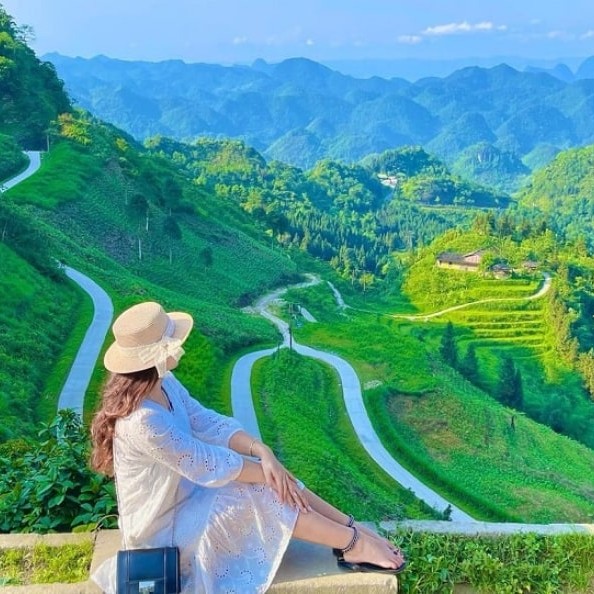



Hi Lina. My family is thinking of having a 4-7 days vacation in Vietnam this July starting from Hanoi, Sapa and Danang if it’s a good idea. Is Halong Bay close to Hanoi? What would you suggest since we are travelling this July and to plan our daily itinerary.Thank you!
Elaine