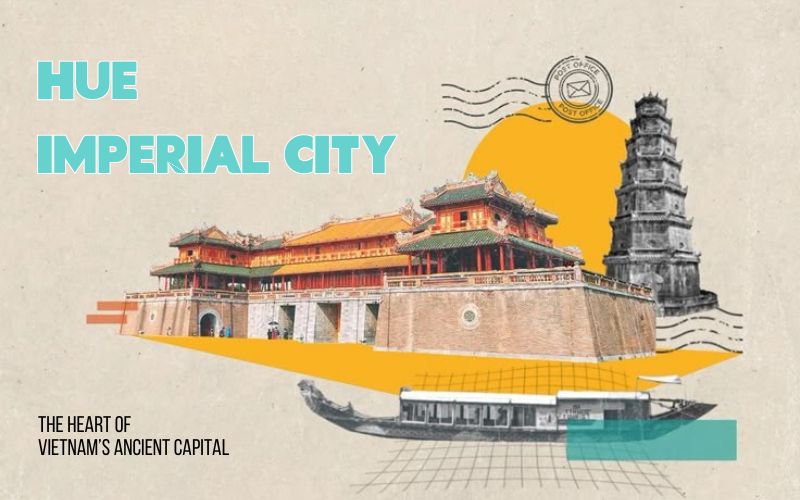
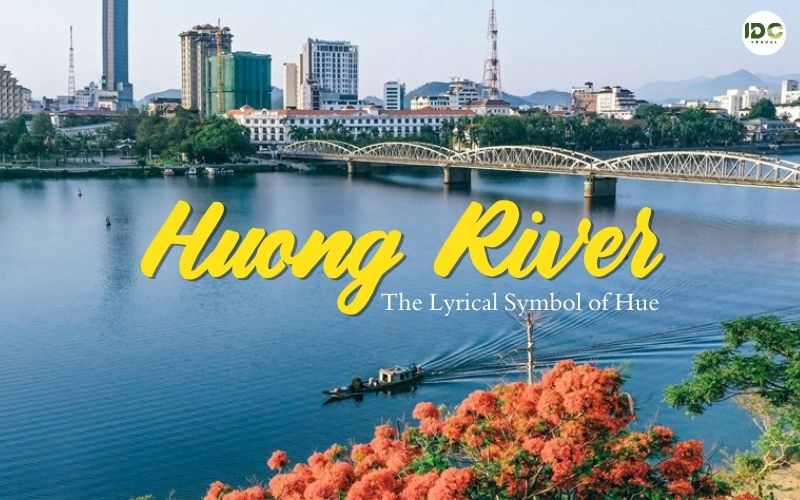
Hue was the capital of Vietnam under the Nguyen Dynasty from 1802 to 1945, the last imperial period in Vietnamese history before the August Revolution, and it carries that history visibly. The Imperial Citadel and Forbidden Purple City within it are modeled on Beijing’s Forbidden City and were the seat of the Nguyen emperors; the royal tombs scattered through the surrounding hills are some of the most architecturally sophisticated funerary complexes in Asia; and the city’s culinary tradition, developed to serve the imperial court, remains the most refined regional cuisine in Vietnam. The Citadel was inscribed on UNESCO’s World Heritage list in 1993.
Hue also carries the heaviest war damage of any Vietnamese city. The 1968 Tet Offensive included a 25-day battle in which much of the Citadel and Forbidden City was destroyed; restoration has been ongoing for decades and continues today. The combination of ancient capital, war history, and the deep tradition of imperial Vietnamese culture makes Hue one of the most layered destinations in the country.
Where Is Hue Located?
- Location: Thua Thien Hue Province, central Vietnam, on the Perfume River (Song Huong)
- Area: 4947.1 km²
- Population: 1.432.986
- Population density: 248 person/km²
- UNESCO status: Complex of Hue Monuments, World Heritage Site (1993)
- Airport: Phu Bai International Airport (HUI), 15 km south of the city
- Known for: Imperial Citadel, Royal Tombs, Thien Mu Pagoda, Perfume River, royal cuisine, war history
- Best for: Vietnamese history, culture, imperial heritage, central Vietnam circuit
Hue is a city located in central Vietnam, situated on the banks of the Perfume River. It is approximately halfway between Hanoi and Ho Chi Minh City and serves as the capital of Thua Thien-Hue Province. Historically, Hue was the imperial capital of Vietnam during the Nguyen Dynasty and remains a significant cultural and historical center.
How to Get to Hue
- By air: Phu Bai International Airport (HUI) has domestic flights from Hanoi and Ho Chi Minh City (1 to 1.5 hours each) and limited international connections.
- By train: The Reunification Express stops at Hue station. From Hanoi, about 14 hours overnight; from Ho Chi Minh City, about 22 hours; from Da Nang, about 2.5 hours (the Hai Van Pass section between Hue and Da Nang is the most scenic stretch of Vietnamese railway).
- By road from Da Nang: About 100 km via the Hai Van Tunnel (1.5 hours) or the scenic Hai Van Pass coastal road (2.5 hours). The pass route is one of Vietnam’s most spectacular drives.
>>> Central Vietnam tours connect Hue with Hoi An, Da Nang, and DMZ sites in Quang Tri.
Best Time to Visit Hue
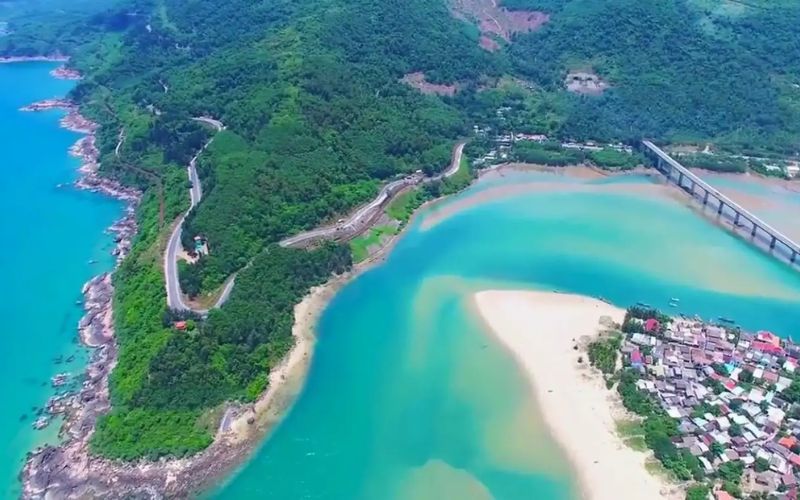
Lang Co Beach, Hue, Vietnam
February to April is the optimal window: cool and dry (18 to 25°C), before the summer heat and well after the autumn rains.
May to August is hot (up to 38°C) and increasingly dry. Visiting the royal tombs in the surrounding hills is physically demanding in mid-summer.
September to January is the rainy season, Hue receives the heaviest rainfall of any Vietnamese city, and October and November often see severe flooding. The Perfume River rises significantly and parts of the lower city can flood. Check conditions before booking.
Top Things to Do in Hue
1. The Imperial Citadel and Forbidden Purple City
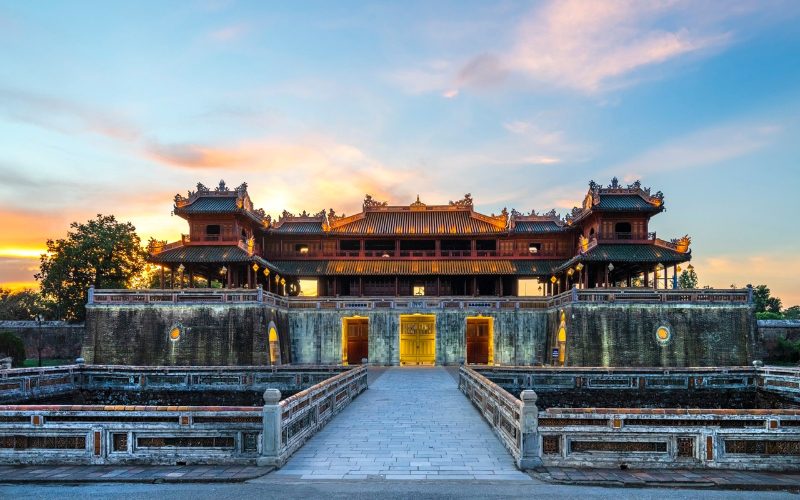
Hue’s Imperial Citadel
The 10-square-kilometer Imperial Citadel complex on the north bank of the Perfume River was built by Emperor Gia Long from 1804 and continuously developed through the Nguyen Dynasty period. Within the outer Citadel walls, the Imperial Enclosure (Hoang Thanh) contained the royal halls and offices; within that, the Forbidden Purple City (Tu Cam Thanh) was reserved exclusively for the emperor and immediate family. The damage from the 1968 Tet Offensive battle and earlier conflicts is substantial; restoration is ongoing.
The main entrance is through the Meridian Gate (Ngo Mon) on the southern side. The Thai Hoa Palace (used for coronations and major ceremonies) and the surrounding courtyards are well-preserved. The Forbidden Purple City suffered the most damage but the partial restoration gives a sense of the original layout. Budget at least 3 hours.
2. The Royal Tombs
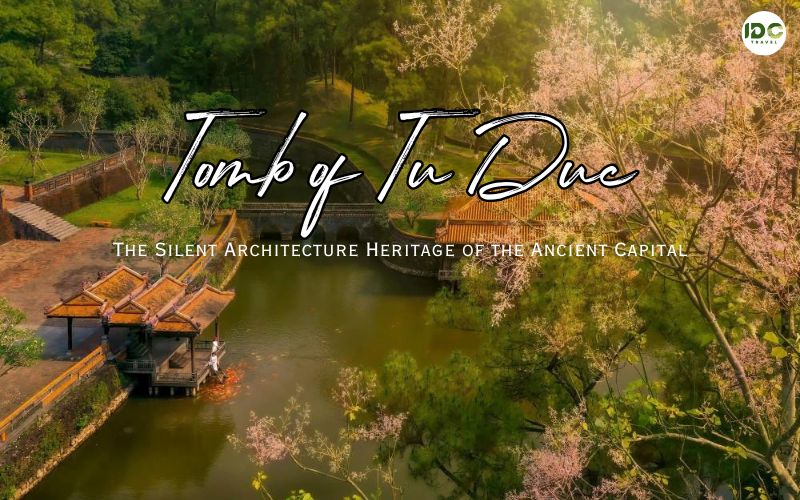
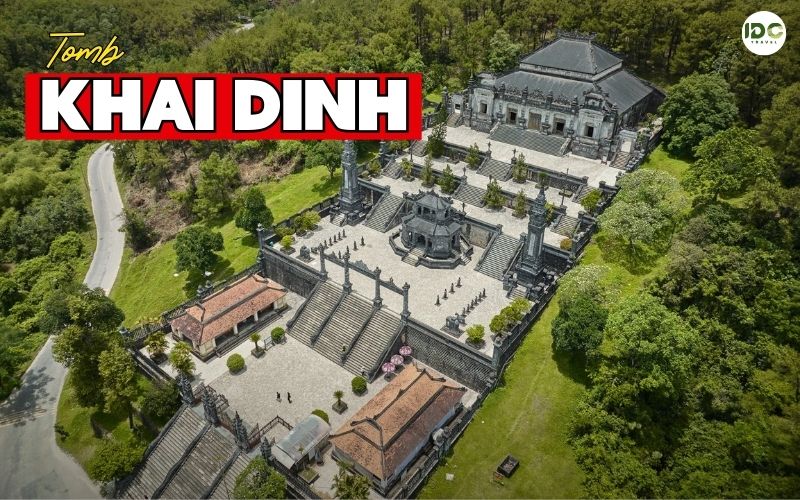
The Nguyen emperors built their own funerary complexes during their lifetimes: combination tombs, temples, gardens, and lake compounds where they planned to spend eternity. Each tomb is an architectural statement reflecting the emperor’s personality and reign. The most visited are:
- Tomb of Tu Duc (built 1864 to 1867): A poetry-and-pavilion compound on a lake, considered the most aesthetically refined of the royal tombs. Tu Duc was a poet emperor who spent significant time here during his lifetime.
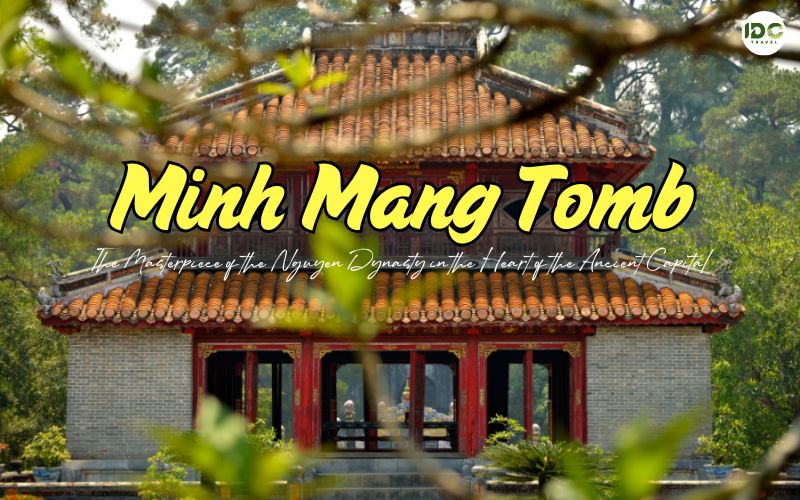
- Tomb of Minh Mang (1840 to 1843): A grand classical Chinese-style complex with symmetrical courtyards and a lake. The most architecturally ambitious of the tombs.
- Tomb of Khai Dinh (1920 to 1931): A combination of European and Vietnamese styles unlike any other tomb. The interior is decorated with extraordinary ceramic and glass mosaic. Controversial in its day for the European influences; striking visually now.
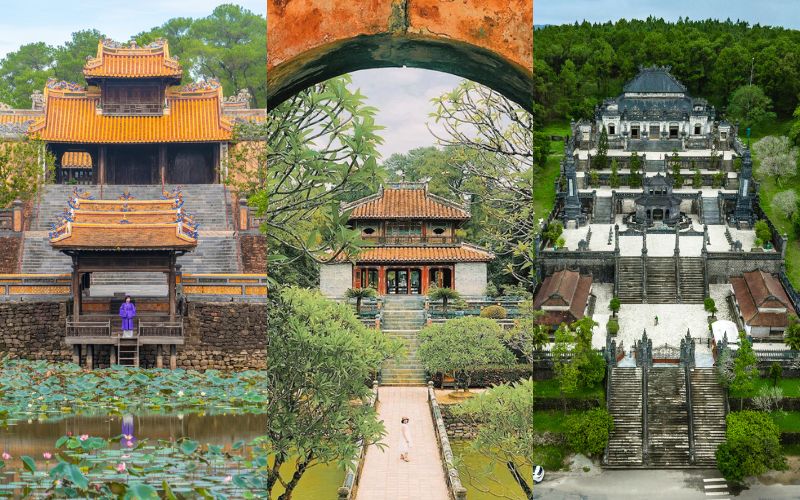
Tu Duc Tomb – Minh Mang Tomb – Khai Dinh Tomb
The tombs are spread across the hills south of the river, roughly 5 to 15 km from the city center. A boat-and-car combination tour is the standard way to visit; a half-day covers two tombs comfortably, a full day covers three.
3. Thien Mu Pagoda
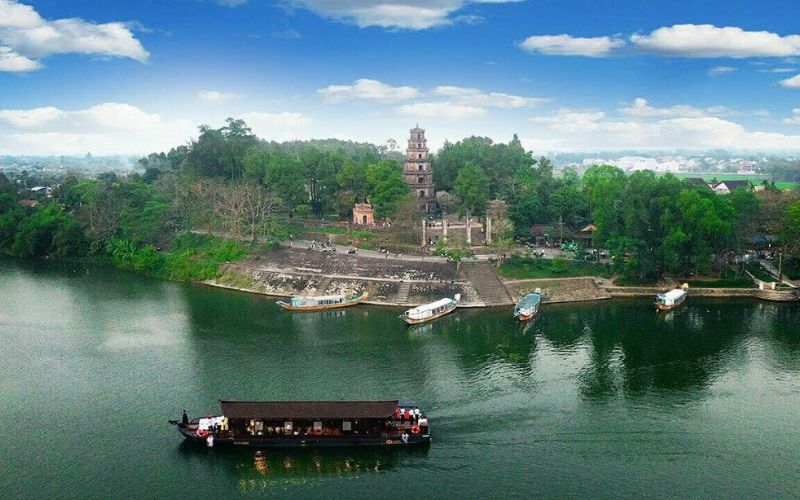
Thien Mu Pagoda on the bank of the Huong River
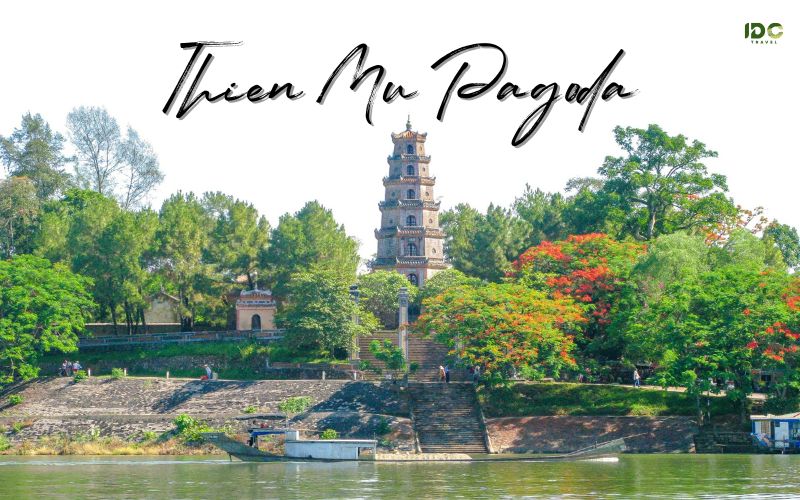
The most distinctive religious site in Hue, the seven-story octagonal Phuoc Duyen Tower (built 1844) is the symbol of the city. The Thien Mu Pagoda complex, founded in 1601, sits on a hill above the Perfume River about 5 km west of the city.
The Austin Westminster automobile that drove monk Thich Quang Duc to his self-immolation in Saigon in 1963, a defining moment of the Buddhist crisis and the wider opposition to the Diem regime, is preserved on the grounds.
4. Perfume River Dragon Boat
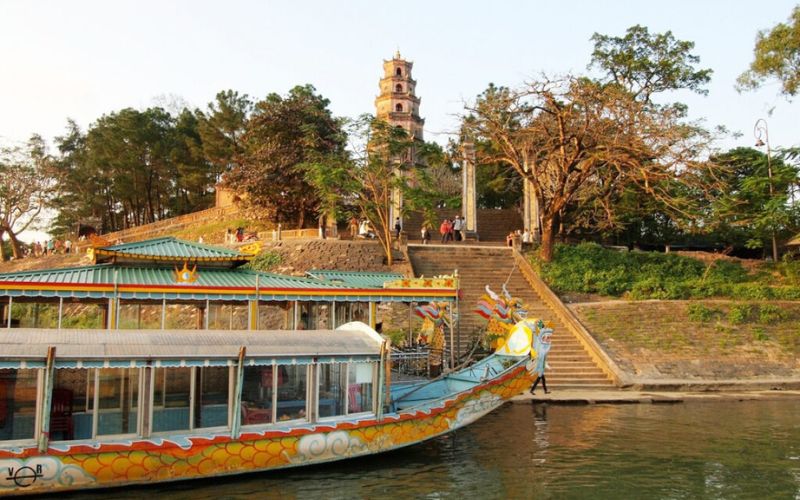
Getting to Thien Mu Pagoda by dragon boat
A traditional dragon boat ride on the Perfume River, departing from the city pier and motoring upstream past Thien Mu Pagoda, is the easiest way to see the river’s character. Most boats include traditional Hue royal court music performance, small ensembles using the “dan tranh” (Vietnamese zither) and other classical instruments, as part of the cruise. About 2 hours.
5. Bach Ma National Park
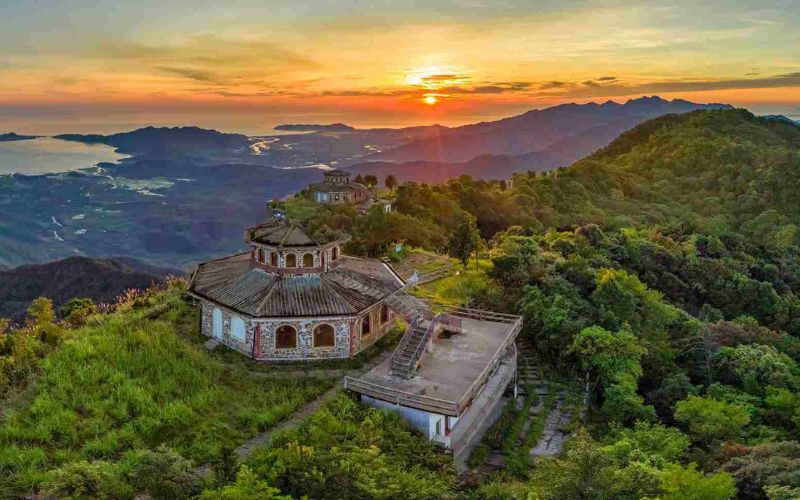
Hai Vong Dai viewpoint in Bach Ma National Park
About 45 km south of Hue, Bach Ma is a small but ecologically rich national park rising from the coastal plain to 1,450 meters. The summit views (when clear) extend to both the sea and the surrounding mountains. The Pheasant Trail and the Five Lakes trail are the main walking circuits. A French colonial-era hotel near the summit serves as accommodation; the park is best visited as a multi-day excursion from Hue or as part of a Hue-Da Nang transit.
Hue Food
Hue’s royal cuisine is the most elaborate regional tradition in Vietnam, developed to serve the imperial court and characterized by small portions of many dishes, refined preparation, and visual sophistication.
- Bun Bo Hue: The city’s most internationally recognized dish, a spicy beef and pork noodle soup with lemongrass-infused broth, beef brisket, pig’s foot, and rice vermicelli, served with fresh herbs. Distinct from the lighter Hanoi pho. Find the best versions at the morning market stalls in the Dong Ba market area.
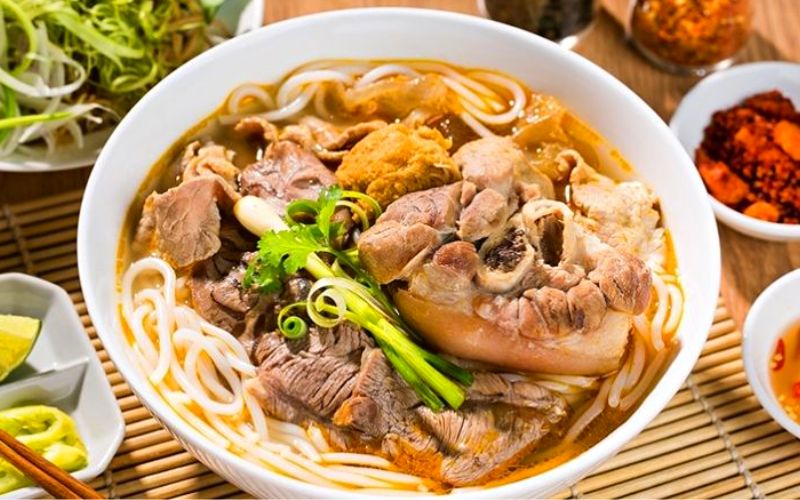
Bun Bo Hue is a flavorful and spicy specialty from Central Vietnam, beloved for its deep, aromatic broth and hearty toppings.
- Banh Khoai: A Hue specialty rice flour pancake, smaller and richer than the southern Vietnamese “banh xeo”, filled with shrimp, pork, and bean sprouts. Eaten by wrapping in mustard greens with peanut sauce.
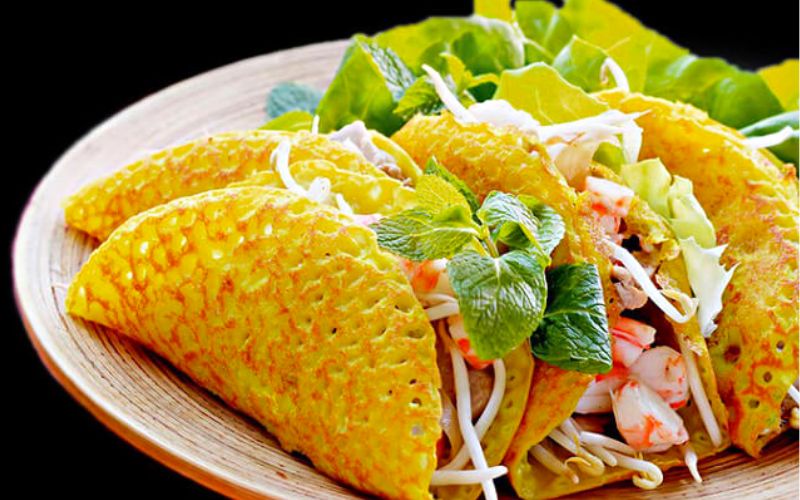
Banh Khoai is a signature crispy pancake from Hue, traditionally packed with savory fillings and served with fresh herbs.
- Banh Beo: Small steamed rice flour cups topped with dried shrimp, scallion oil, and pork rind. A Hue royal court snack now served at the dedicated “banh beo” restaurants throughout the city.
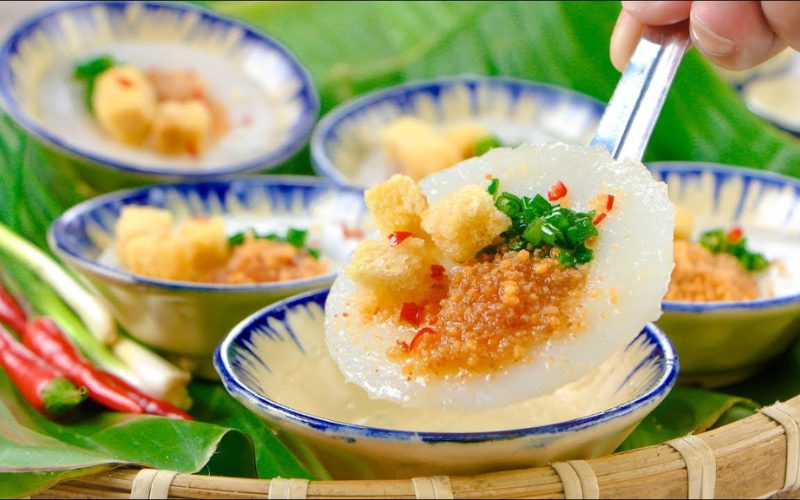
Banh Beo is a delicate and popular Hue street food, featuring savory steamed rice cakes served in traditional tiny bowls.
- Com Hen: Rice with baby clams from the Perfume River, served with crispy pork crackling, fresh herbs, and a small bowl of clam broth. Available at the morning food stalls in the Vy Da neighborhood across the river.
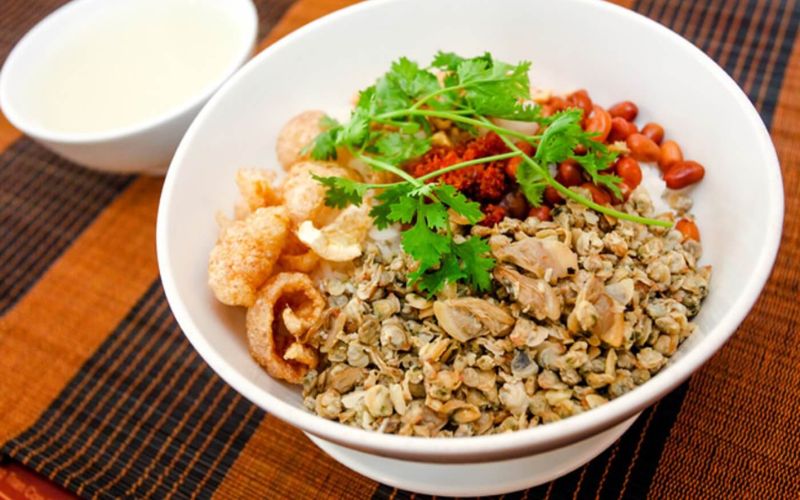
Com Hen is a rustic yet flavorful specialty from Hue, combining delicate baby clams with a variety of textures and a signature savory broth.
Estimated Travel Costs in Hue
Hue is moderately priced by Vietnamese standards. The Imperial Citadel and royal tombs each have separate entry fees that add up for travelers visiting multiple sites. Private car hire for the royal tomb circuit is the most practical approach and reasonably affordable. The imperial cuisine restaurants require advance booking and represent the main premium food experience.
Prices below are estimates for international travelers and may vary by season and booking time.
| Category | Budget | Mid-Range | Luxury |
| Accommodation (per night) | 200,000 – 400,000 VND (~$7.87-$15.75) |
600,000 – 1,800,000 VND (~$23.62-$70.87) |
2,200,000 – 7,000,000 VND (~$86.61-$275.59) |
| Imperial Citadel entry | 200,000 VND (~$7.87) |
200,000 VND (~$7.87) |
200,000 VND (~$7.87) |
| Tu Duc Tomb entry | 150,000 VND (~$5.91) |
150,000 VND (~$5.91) |
150,000 VND (~$5.91) |
| Minh Mang Tomb entry | 150,000 VND (~$5.91) |
150,000 VND (~$5.91) |
150,000 VND (~$5.91) |
| Khai Dinh Tomb entry | 150,000 VND (~$5.91) |
150,000 VND (~$5.91) |
150,000 VND (~$5.91) |
| Meal per person | 25,000 – 60,000 VND (~$0.98-$2.36) |
100,000 – 280,000 VND (~$3.94-$11.02) |
350,000 – 1,000,000 VND (~$13.78-$39.37) |
| Imperial banquet (per person) | – | – | 500,000 – 1,200,000 VND (~$19.69-$47.24) |
| Dragon boat trip (Perfume River) | 100,000 – 180,000 VND (~$3.94-$7.09) |
200,000 – 400,000 VND (~$7.87-$15.75) |
500,000 – 1,000,000 VND (~$19.69-$39.37) |
| Private car for tomb circuit (half-day) | – | 400,000 – 700,000 VND (~$15.75-$27.56) |
800,000 – 1,500,000 VND (~$31.50-$59.06) |
| Total 5-day trip | 2,200,000 – 4,200,000 VND (~$87-$165) |
6,500,000 – 14,000,000 VND (~$256-$551) |
16,000,000 – 40,000,000 VND (~$630-$1,575) |
| Total 7-day trip | 3,100,000 – 5,900,000 VND (~$122-$232) |
9,100,000 – 19,600,000 VND (~$358-$772) |
22,000,000 – 56,000,000 VND (~$866-$2,205) |
| Total 14-day trip | 6,200,000 – 11,800,000 VND (~$244-$465) |
18,200,000 – 39,200,000 VND (~$717-$1,543) |
44,000,000 – 112,000,000 VND (~$1,732-$4,409) |
Royal tomb entry fees are individual, visiting all three adds 450,000 VND per person. Imperial cuisine restaurants require advance booking. Hue’s rainy season (September to January) does not affect pricing. Always recheck costs at time of booking.
Hue Travel Tips
- A combined ticket covers the Citadel and several of the royal tombs and can be purchased at the main Citadel entrance. The full pass is worth it for travelers visiting multiple tombs.
- Renting a bicycle for the city is a pleasant way to cover the Citadel and the riverside; the surrounding tombs require motorbike or car transport.
- The Hai Van Pass coastal road to Da Nang is one of Vietnam’s great drives. Hire a car with stops at the summit viewpoint and Lang Co Bay rather than taking the tunnel route.
- Hue’s October to November rainy season is severe by Vietnamese standards. Major flooding affects the city periodically; check conditions before booking these months.
- Allow time for the royal tombs. They are the most architecturally rewarding sites in the area and travelers who rush through the Citadel without visiting the tombs miss the most distinctive Hue experience.
Plan Your Hue Trip with IDC Travel
Our central Vietnam tours include Hue as the imperial capital component of Hue-Da Nang-Hoi An circuits, often combined with DMZ day trips to Quang Tri. Contact us!
Places to Visit in Hue
Hue is a city where Vietnam’s imperial past comes to life, from the majestic Hue Imperial Citadel to serene pagodas and royal tombs. Let’s come to Hue and explore its timeless beauty and hidden gems!