







Whatever you want from your Vietnam, Cambodia, Laos, Myanmar & Thailand tour, our travel advisors are ready to help you with 1:1 advice.
Call our local experts: +84913.000.858
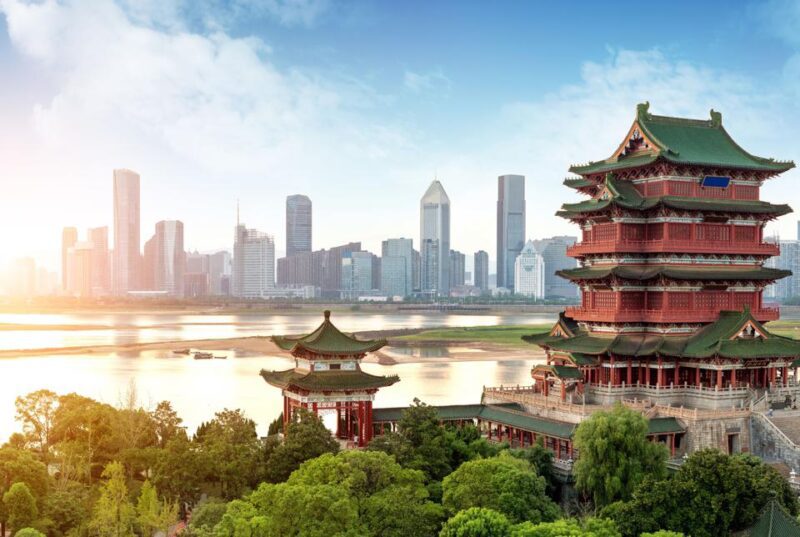
China is a huge country with a lot to offer. It is home to some of the best destinations and things to try. This country has something for everyone, from its ancient history to its culture, cuisine, and natural beauty.
China
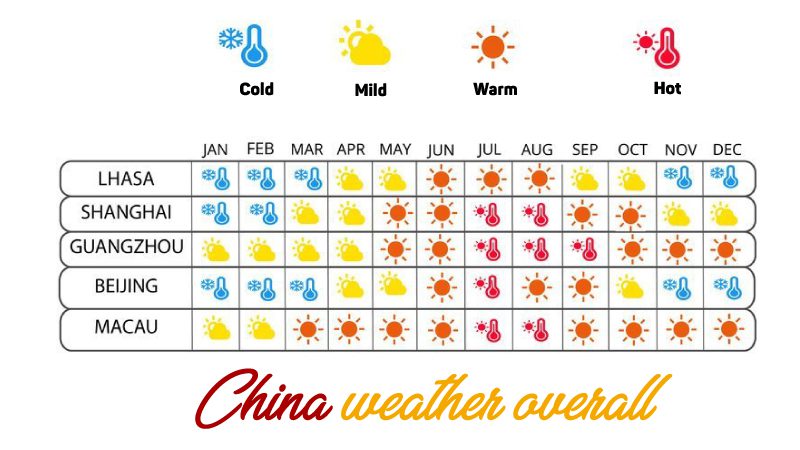
The best time to visit China is generally in spring (Apr-May) and autumn (Sep-Oct), when the weather is mild, dry, and ideal for sightseeing across most regions of the country.
Because China is vast and geographically diverse, travel conditions vary significantly by region and season. The country experiences four distinct seasons, but they do not arrive at the same time everywhere. This means there is almost always a destination in China that suits your travel plans, regardless of the month.
Weather in China
Most China tours prefer spring and autumn due to their comfortable temperatures and the best landscapes. Explore major cities like Beijing, Xi’an, and Shanghai, as well as natural areas like Guilin and Zhangjiajie, during these seasons. Summer and winter, while more extreme in temperature, can still be excellent options for travelers who are flexible and want fewer crowds, better hotel availability, and more competitive prices.
The best travel destinations in China in 2026 include Beijing, Shanghai, Xi’an, Yunnan, Chengdu, Guilin, Huangshan, Zhangjiajie, Xiamen, and Tibet, offering a mix of history, modern cities, natural landscapes, and cultural depth.
Beijing
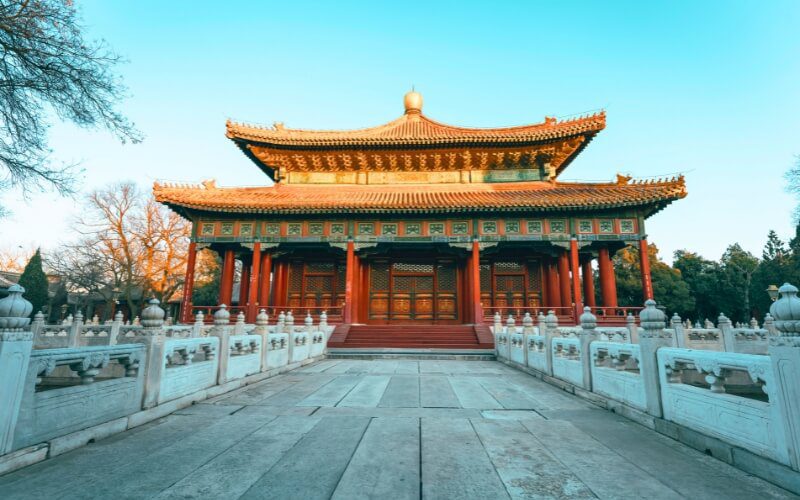
For most visitors, Beijing remains the essential starting point. Nowhere else in China concentrates so much history in one place. The Forbidden City, Temple of Heaven, Summer Palace, and multiple sections of the Great Wall provide a direct introduction to imperial China. Beijing also continues to modernize its transport and visitor infrastructure, making it one of the easiest cities to navigate for first-time travelers.
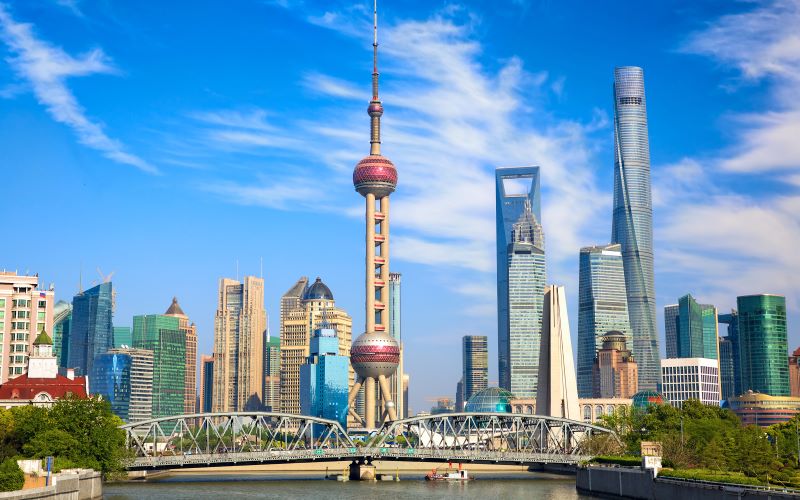
Shanghai
Shanghai has firmly reclaimed its position as China’s most dynamic modern metropolis. The contrast between colonial-era architecture along the Bund and the futuristic skyline of Pudong defines the city’s appeal. Beyond finance and shopping, Shanghai offers world-class dining, art districts, and quick high-speed rail connections to nearby historic towns such as Suzhou and Hangzhou.
Xi’an remains one of the most compelling cultural stops in China. As the eastern starting point of the ancient Silk Road, it offers deep historical context through its city walls, Muslim Quarter, and museums. The Terracotta Army continues to be one of the world’s most significant archaeological discoveries, and ongoing site conservation means new areas are periodically opened to visitors.
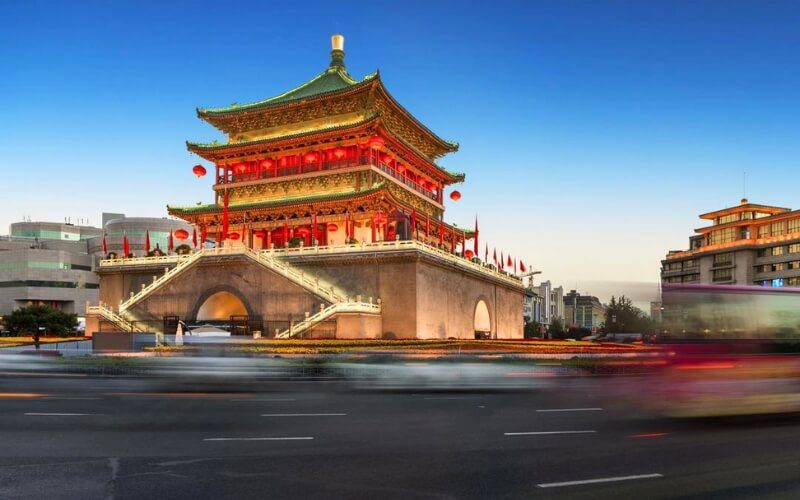
Xi’an
Yunnan is increasingly favored by travelers looking for scenery, ethnic diversity, and a slower pace. Snow-capped mountains, highland lakes, tea-growing regions, and minority cultures define the province. Cities such as Lijiang and Dali are popular bases, while Shangri-La appeals to those drawn to Tibetan-influenced culture without the altitude challenges of central Tibet.

Yunnan Stone Forest
Giant pandas, best seen at conservation and research centers rather than in hands-on settings, are not the only attractions in Chengdu. The city is also known for its relaxed lifestyle, teahouse culture, and Sichuan cuisine. Chengdu works well as a cultural stop and as a gateway to western China, including Jiuzhaigou and Mount Emei.

Chengdu
Guilin’s limestone karst landscape remains one of China’s most recognizable natural scenes. Cruising or cycling along the Li River around Yangshuo offers a quieter, more immersive experience than the city itself. The Longji Rice Terraces are especially striking in spring and autumn, making this region a favorite for photographers and nature-focused travelers.
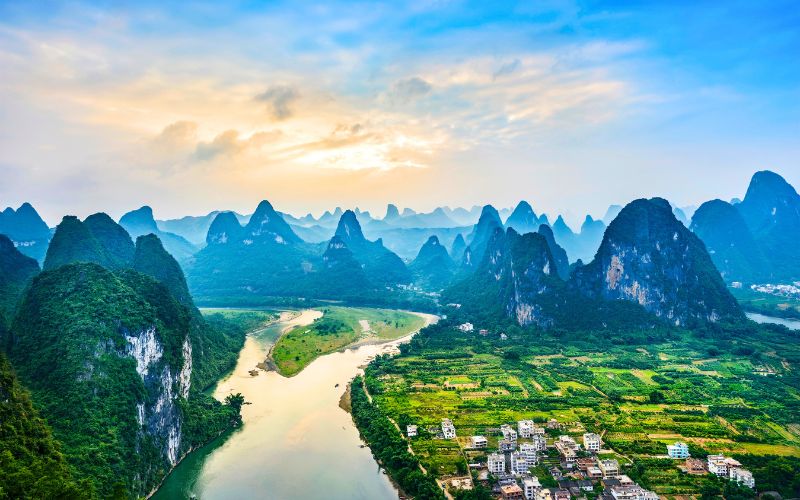
Guilin
Huangshan continues to attract visitors for its dramatic granite peaks, ancient pine trees, and mist-filled valleys. Sunrise views above the sea of clouds are a defining experience. Nearby villages such as Hongcun and Xidi add cultural depth, especially for travelers interested in traditional Anhui architecture and rural life.

Huangshan

Zhangjiajie
International popularity for Zhangjiajie has steadily increased, solidifying its position as a top natural destination. Its towering sandstone pillars, part of a UNESCO Global Geopark, inspired the landscapes seen in popular films and offer some of the most unusual scenery in China. Improved transport links have made the area far more accessible than in the past.
Xiamen is valued for its relaxed coastal atmosphere, clean environment, and walkable city center. Nearby Fujian Tulou, the UNESCO-listed earthen communal houses of the Hakka people, provide cultural insight that is both distinctive and well preserved. This region suits travelers looking for culture without the intensity of major megacities.
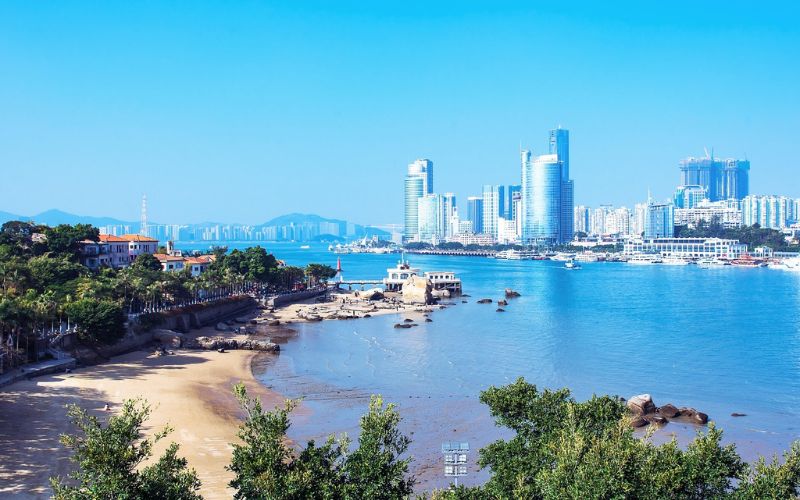
Xiamen
For experienced travelers, Tibet remains a deeply rewarding destination. Lhasa’s Potala Palace, Jokhang Temple, and surrounding monasteries reflect the spiritual heart of Tibetan Buddhism. Travel here requires advance planning and permits, but for those prepared, the cultural depth and landscapes are unlike anywhere else in China.

Tibet
Together, these destinations reflect how China is most commonly experienced in 2026: a balance of imperial history, living culture, dramatic landscapes, and rapidly evolving modern cities.
The best time to go is Spring (Mar-May), when flowers are in bloom and the air is warm, and Autumn (Sep-Nov) for moderate temperatures, fall foliage color changes, dry skies, and fewer crowds (skip early Oct – the golden week). Summer (Jun-Aug) is searing and rainy in much of the country; winter (Dec-Feb) brings northern snow (perfect for ice festivals in the north), but it’s mild in the south, making it a good time to hit and try all four corners.
Yes. First-time travelers find China to be an excellent destination, particularly when they plan their trip well.
For newcomers, China offers:
First-time travelers usually feel most comfortable starting with classic routes such as Beijing – Xian – Guilin – Shanghai, which provide a balanced introduction to history, culture, and daily life without feeling overwhelming.
Yes. Domestic travel in China is efficient and well developed.
Travel options include:
While language barriers can still exist outside major cities, transportation systems are reliable, punctual, and increasingly user-friendly for international travelers.
Yes, China can be very suitable for families and older travelers when itineraries are paced properly.
Why it works well:
Destinations like Beijing, Shanghai, Xi’an, Guilin, and Yunnan are particularly suitable for travelers who prefer a relaxed and structured travel style.

Have you ever set foot in Asia, the land of ancient temples in the deep forest, massive stone structures that defy time,…

Based in Hanoi, Vietnam, IDC Travel has recently achieved the esteemed distinction of receiving the prestigious TripAdvisor Travelers’ Choice award. This remarkable…