








Best Halong Bay- Cat Ba Island Tours from Hanoi 2026/2027

Top-rated Halong Bay Tour Packages 2026/2027

Hanoi - Duration: 2 Days/ 1 Night
Hanoi - Duration: 3 Days/ 2 Nights
Hanoi - Duration: 2 Days/ 1 Night
Hanoi - Duration: 3 Days/ 2 Night
Halong Port - Bai Tu Long Bay - Cong Do - Cap La - Thien Canh Son Cave - Halong Port 2 Days / 1 Night
Ha Long Port - Bai Tu Long Bay - Vung Vieng Fishing Village 3 Days / 2 Nights
Hanoi - Duration: 2 days 1 night
Hanoi - Lan Ha Bay - Ha Long Bay - Ninh Binh - Hanoi 4 Days/ 3 Nights
Hanoi - Cat Ba - Lan Ha Bay 3 Days / 2 Nights

Highlights

  • Bo Hon Island’s Sung Sot Cave, Pelican Cave, and Virgin Cave are magnificent caves well-known for their ceiling activity.
  • Fish Farms and Floating Villages: The Floating Villages are one of Ha Long’s top attractions and a must-see location on the itinerary if you want to be surprised and mesmerized at the same time.
  • Dau Be Island is a popular place for swimming and diving due to its abundance of coral and deep caves with three inland lakes.
  • Dau Go Island: This large, vibrant cave on this island is home to numerous stalactites and stalagmites, some of which reach heights of 20 meters, has contributed to the growing fame of the Ha Long Islands.
  • Cat Ba Island: Visitors can enjoy fresh seafood at a variety of restaurants, bars, and other establishments.


Tips

  • March to May and September to November are the best months to visit Ha Long. This is because the weather is dry and pleasant at this time of year, allowing you to participate in a variety of activities on board or go sightseeing near fascinating caves or beaches.
  • Select a reputable travel agency for your Halong Bay tour and be specific about your travel dates, needs, and preferred destinations (Halong Bay, Bai Tu Long or La Han Bay).
  • Prepare your bag or backpack with sun protection equipment before going on an activity. Remember to bring your sunglasses, hat, sunscreen, and an umbrella. All-day activities cause your skin to burn.


Discover More

ALL THE BEST OF HA LONG BAY

Halong Bay is often the first name that comes up when travelers research northern Vietnam, but many still wonder whether it truly lives up to its reputation. Beyond postcard images, the bay represents a rare combination of geological heritage, living coastal culture, and evolving travel experiences that continue to improve in recent years. This guide answers the most common questions travelers ask before visiting Halong Bay, from the best time to go to the most worthwhile places and local dishes you should not miss.

Is It Worth Visiting Halong Bay?

Yes, Halong Bay is absolutely worth visiting and remains one of the most exceptional natural landscapes in Southeast Asia. Located in northeastern Vietnam, Ha Long Bay features around 1,600 limestone islands and islets formed over hundreds of millions of years through karst erosion in the Gulf of Tonkin. Recognized as a UNESCO World Heritage Site for both its scenic beauty and geological value, Halong Bay continues to be a once-in-a-lifetime destination for travelers seeking nature, culture, and slow travel experiences.
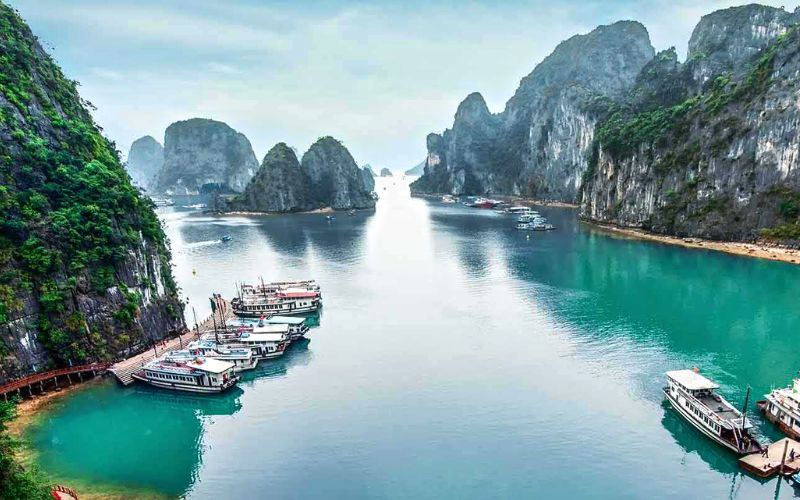
Halong Bay

Halong Bay

When Is the Best Time to Visit Halong Bay?

The best time to visit Halong Bay is from October to April. During these months, the weather is generally drier, cooler, and more stable, making it ideal for cruises, kayaking, and sightseeing among the limestone formations. Morning mist in late autumn and early spring often creates the bay’s most atmospheric views, especially at sunrise.

From May to September, Halong Bay enters the summer season, which brings higher temperatures and occasional tropical storms or typhoons. While summer offers warm water for swimming, cruise itineraries may be adjusted due to weather conditions, and domestic tourism peaks during Vietnamese school holidays.

>>> Read more: The best time to visit Vietnam

What Are the Best Places to Visit in Halong Bay?

The best places to visit in Halong Bay include its main bay, quieter neighboring bays, iconic islands, caves, and traditional fishing villages. Each area offers a slightly different experience, from classic scenery and popular routes to more secluded landscapes and local life encounters.

The Major Bays in the Ha Long Area

  • Halong Bay: is the most famous and visually dramatic part of the region. It is known for dense clusters of limestone pillars, iconic caves, and well-developed cruise routes, making it ideal for first-time visitors. Exploring Halong Bay by overnight cruise remains the most immersive way to experience its scale and atmosphere.
  • Bai Tu Long Bay: is the best choice for travelers seeking a quieter, less touristy experience. Located northeast of Halong Bay, this area features pristine beaches, fishing villages, and fewer cruise boats, while maintaining the same limestone scenery. It is particularly suitable for nature lovers and travelers interested in authentic local life.
  • Lan Ha Bay: is ideal for kayaking, swimming, and escaping crowded routes. Situated near Cat Ba Island, Lan Ha Bay has calmer waters, small hidden beaches, and lush surroundings. Many modern cruises now favor Lan Ha Bay for its balance between scenery and tranquility.

Notable Islands in Ha Long Bay

Halong Bay’s islands offer viewpoints, beaches, forests, and resort-style escapes.

  • Ti Top Island: famous for its panoramic viewpoint and crescent-shaped beach, Ti Top Island is one of the most visited stops on classic cruise routes.
  • Soi Sim Island: known for its primeval forest and natural hiking paths, this island remains relatively unspoiled.
  • Tuan Chau Island: connected to the mainland by road, Tuan Chau serves as a major cruise port and resort area.
  • Co To Island: located farther from Halong Bay, Co To Island offers untouched beaches, a lighthouse viewpoint, and a peaceful fishing community.

Incredible Caves in Ha Long Bay

Halong Bay’s caves are natural masterpieces shaped by millions of years of geological activity.
Inside, visitors can see dramatic stalactites and stalagmites, many of which are illuminated to highlight their formations and legends.

  • Hang Sung Sot: the largest and most impressive cave in Ha Long Bay, discovered by the French in 1901.
  • Thien Cung Cave: known for its vast chambers and mythical rock formations.
  • Luon Cave: a low-arched cave leading to a tranquil enclosed lagoon, best explored by kayak or bamboo boat.
  • Me Cung Cave: features a complex structure and archaeological evidence of prehistoric human activity.

Traditional Fishing Villages

Fishing villages in Ha Long Bay reveal how communities have adapted to life on the water for generations.

  • Cua Van Fishing Village: home to around 170 households, this village has been recognized internationally for its cultural charm.
  • Vung Vieng Fishing Village: known for colorful floating houses and welcoming local families.
  • Cong Dam Fishing Village: a quiet area surrounded by karst mountains, popular for kayaking and cultural interaction.

What Are the Best Dishes to Try in Halong Bay?

Halong Bay cuisine is defined by fresh seafood and regional Quang Ninh specialties such as cha muc, fresh seafood, sam, etc.

Cha Muc Ha Long (Grilled Chopped Squid)

Cha Muc is the most famous local specialty of Halong Bay. Made by hand-pounding fresh squid and frying it until golden, this dish is prized for its texture and natural sweetness and is recognized as one of Vietnam’s top regional foods.
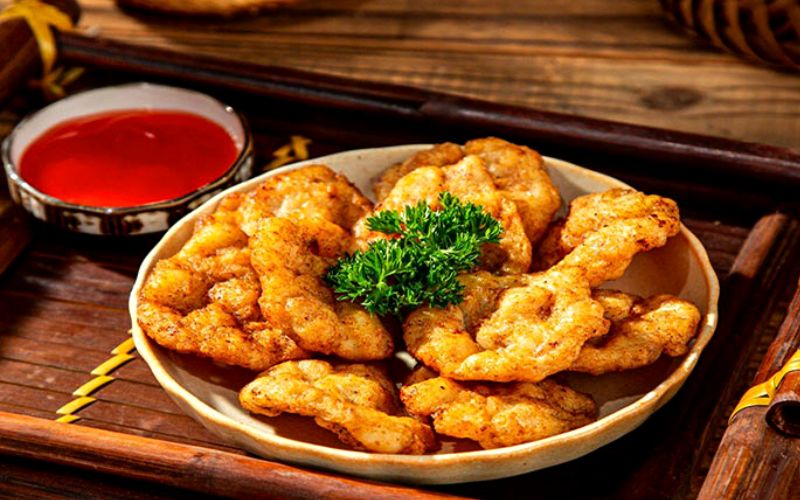
Cha Muc Ha Long(Halong grilled Chopped Squid)

Cha Muc Ha Long (Halong grilled Chopped Squid)

Fresh Prawns and Lobster

Steamed prawns and lobster highlight the freshness of Halong Bay seafood. Commonly cooked with lemongrass or beer, this preparation preserves the natural flavor without overpowering seasoning.
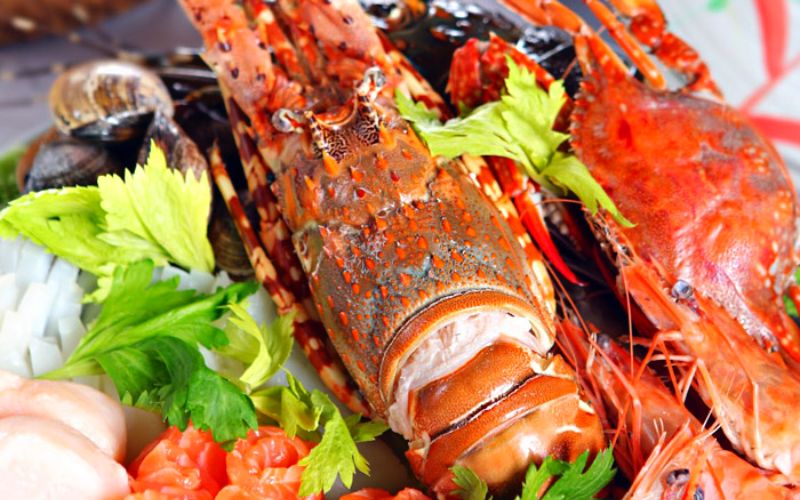
Steamed lobster

Steamed lobster

Fresh Oysters

Oysters in Halong Bay are exceptionally fresh and widely available. They are often grilled with onion oil or served raw with lemon, depending on local tradition and seasonal catch.
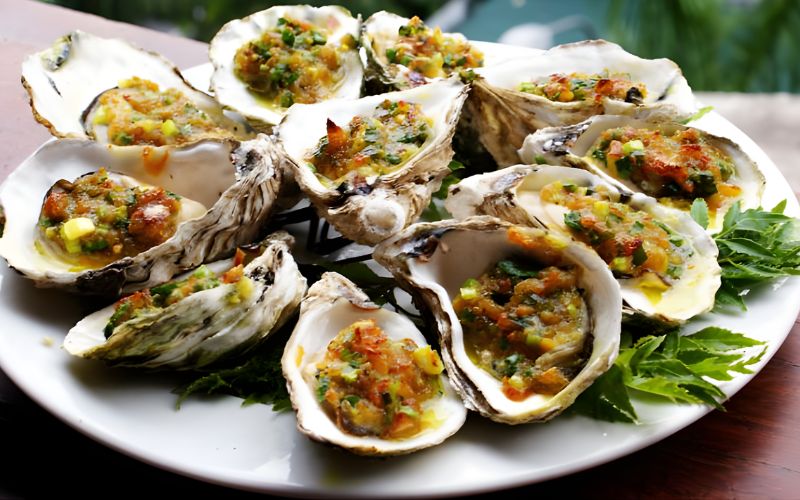
Grilled oysters topped with scallion oil and peanuts, served on a plate in Ha Long Bay, Vietnam.

Oysters in Ha Long Bay

Sam (Horseshoe Crab)

Sam is a rare local delicacy unique to northern coastal Vietnam. Living in shallow waters, horseshoe crab can be prepared in several traditional styles and is considered an adventurous but memorable culinary experience.
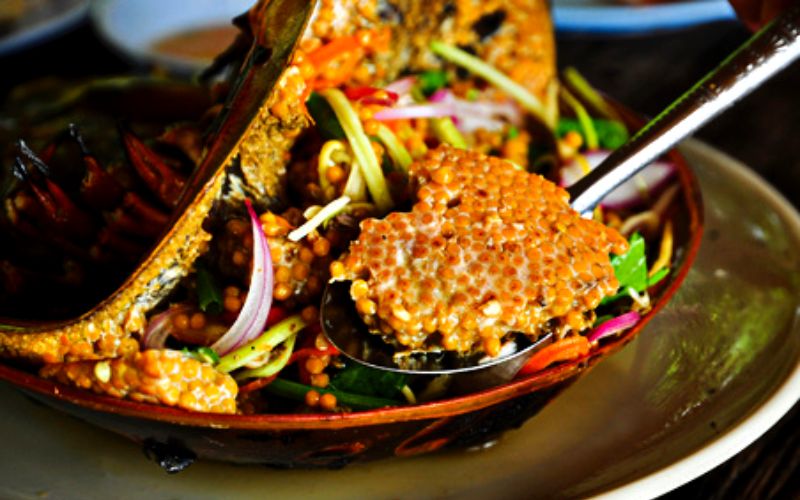
Sam (Horseshoe crab)

Sam (Horseshoe crab)

>>> Read more: Top 30 Popular Vietnamese Dishes beyond Pho

Halong Bay remains one of Vietnam’s most valuable natural and cultural destinations. Whether you choose a classic cruise, a quieter route through Bai Tu Long or Lan Ha Bay, or a deeper cultural journey into fishing villages, Halong Bay offers experiences that go far beyond scenery.

If you are planning a Halong Bay tour and want expert guidance on the best routes, seasons, and cruise styles, feel free to contact us for tailored recommendations that match your travel pace and interests.

Are you planning to Vietnam, Laos, Cambodia, Myanmar or Thailand? We are here to help you save time and money.

All You Should Know about Halong Bay - Descending Dragon of Vietnam

Ti Top Island Guide: The Ultimate and Rewarding Viewpoint Experience in Ha Long Bay

Ti Top Island is almost always mentioned when people talk about the beautiful views in Halong Bay. This little island isn’t very…

Is Lunar New Year in Vietnam a Good Time to Travel? Pros, Cons and Useful Tips

Vietnam is a Southeast Asian country known for its long history, rich cultural diversity, and a way of life deeply rooted in…

Ultimate Vietnam Itinerary in 4 Weeks: Discover the Most Amazing Experiences

Vietnam is a country of remarkable contrasts, where ancient traditions coexist with dynamic modern life, and landscapes shift dramatically from misty mountains…

Create My Trip

Create My Trip