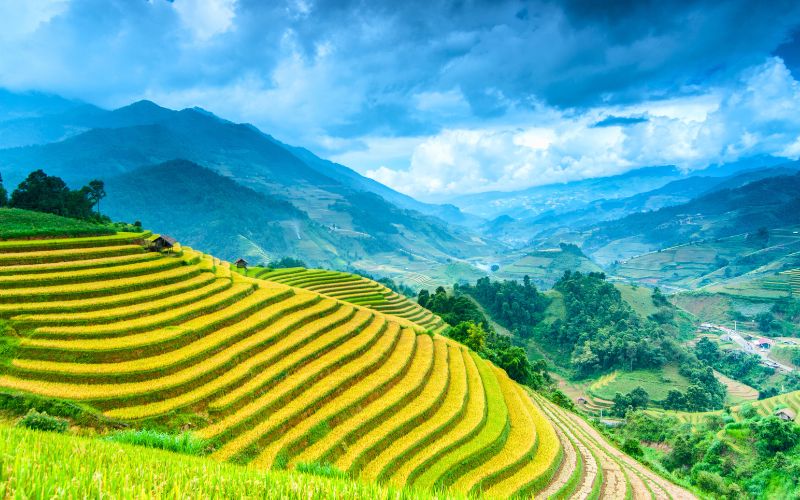
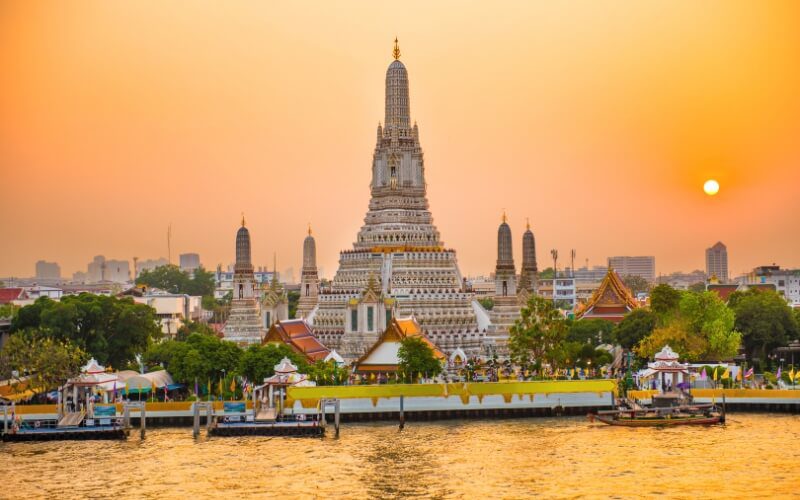

Whatever you want from your Vietnam, Cambodia, Laos, Myanmar & Thailand tour, our travel advisors are ready to help you with 1:1 advice.
Call our local experts: +84913.000.858
For decades, Indochina has been one of the most rewarding regions in the world for long-haul travelers, and for excellent reason. Few places offer such a rich mix of landscapes and cultures in such a compact area. From limestone bays and jungle-covered mountains to ancient capitals, temple complexes, and colonial-era cities, Vietnam, Laos, Cambodia, Myanmar, and Thailand together form a region of remarkable depth. Add to the mix a cuisine celebrated worldwide, long stretches of unspoiled coastline, a relaxed pace of life, and the genuine warmth of local communities, and it becomes clear why Indochina appeals to couples, families, and independent travelers alike.
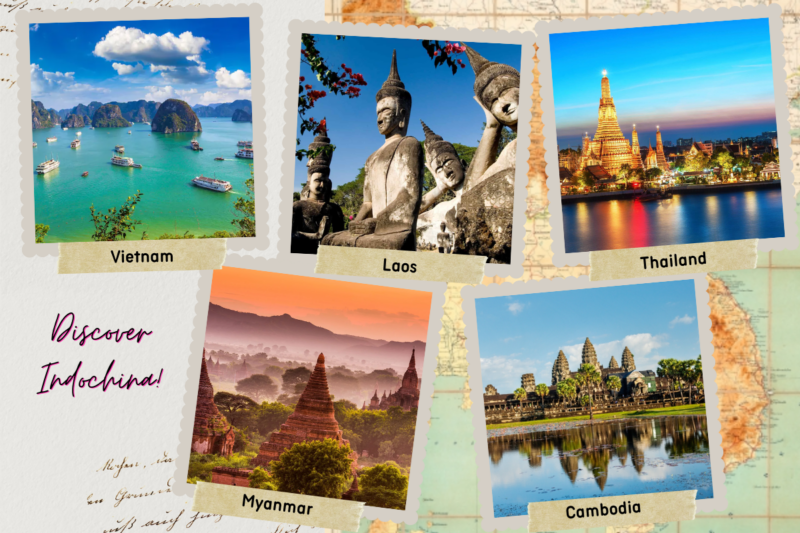
Discover Indochina
Traveling between Indochina countries is now straightforward, with well-established routes by air and land making multi-country itineraries both practical and comfortable. This makes it easy to combine destinations and experiences in a single journey. A well-designed Indochina tour allows you to move seamlessly from Vietnam to Laos, Cambodia, Myanmar, and Thailand, experiencing the region not as isolated countries but as a connected cultural landscape shaped by shared history and local diversity.
Indochina tours are worth taking because they allow you to experience five culturally rich countries: Vietnam, Cambodia, Laos, Myanmar, and Thailand, in one well-connected and highly diverse journey. Within a single trip, travelers move seamlessly between ancient temples, historic capitals, modern cities, rural landscapes, and tropical beaches, becoming deeply familiar with Southeast Asia’s cultural and historical contrasts.
Beyond cultural depth, Indochina offers outstanding value for money. Travel expenses remain lower than in many European destinations, making it possible to enjoy quality hotels, local guides, and meaningful experiences at a reasonable budget. The region is also known for being welcoming and generally safe for international visitors, with tourism services well established in key destinations.
What truly sets Indochina apart is the balance it offers between exploration and relaxation. Many journeys naturally end along the coast or on island beaches, allowing travelers to unwind after days of cultural discovery. This combination of heritage, affordability, safety, and natural beauty is why Indochina tours continue to attract travelers from all over the world.
Our Indochina tours highlight the most iconic and meaningful destinations across Vietnam, Laos, Cambodia, Thailand, and Myanmar, carefully selected to showcase each country’s cultural depth, landscapes, and local life.
Vietnam is traditionally divided into three regions: North, Central, and South, each offering a very different travel experience.
Northern Vietnam
Northern Vietnam is known for some of Southeast Asia’s most dramatic scenery. The region is home to limestone karst landscapes in Dong Van and Cao Bang, the spectacular Ban Gioc Waterfall on the Chinese border, and the famous rice terraces of Sapa. These mountainous areas are inhabited by ethnic minority communities, and travelers often encounter vibrant local markets such as Bac Ha, where traditional costumes and customs remain part of daily life.
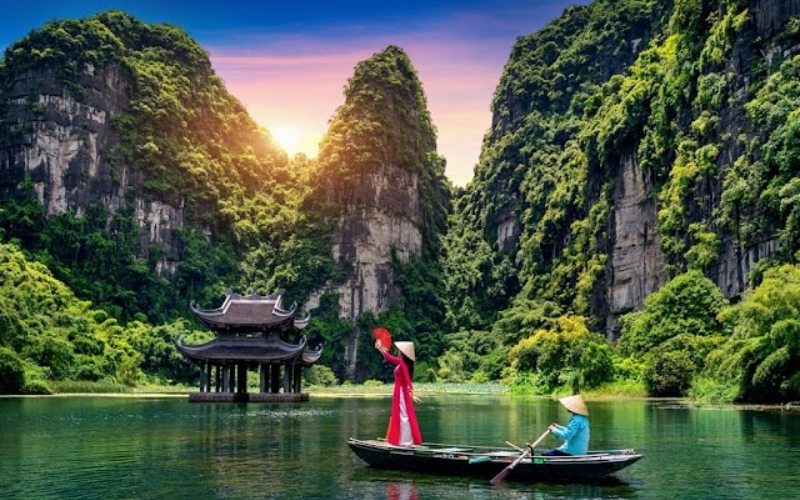
Northern Vietnam
Hanoi, Vietnam’s capital, is another highlight of the North. With over a thousand years of history, the city blends colonial architecture, ancient temples, and lively street culture. Key sites include the Old Quarter, Hoan Kiem Lake, the Temple of Literature, and the Ho Chi Minh Mausoleum. Nearby, Ninh Binh and Ha Long Bay complete the northern journey with river landscapes and UNESCO-listed limestone seascapes.
Central Vietnam
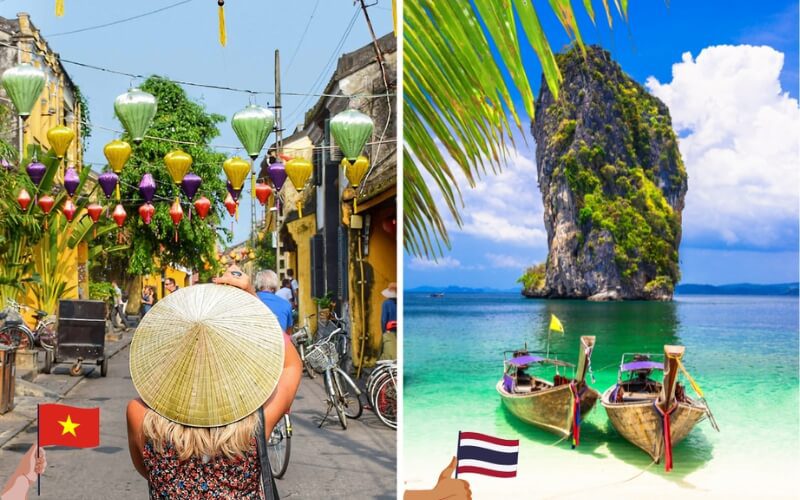
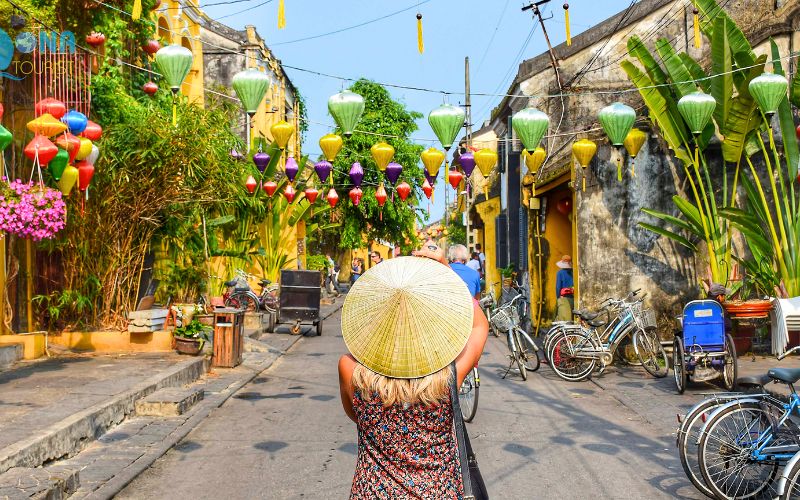
Central Vietnam is particularly rich in UNESCO World Heritage Sites. Travelers can explore Phong Nha-Ke Bang National Park, home to some of the world’s largest caves, including Son Doong. The former imperial capital of Hue offers royal tombs and citadels, while Hoi An charms visitors with its preserved old town and lantern-lit streets. The My Son Sanctuary provides insight into the ancient Champa civilization.
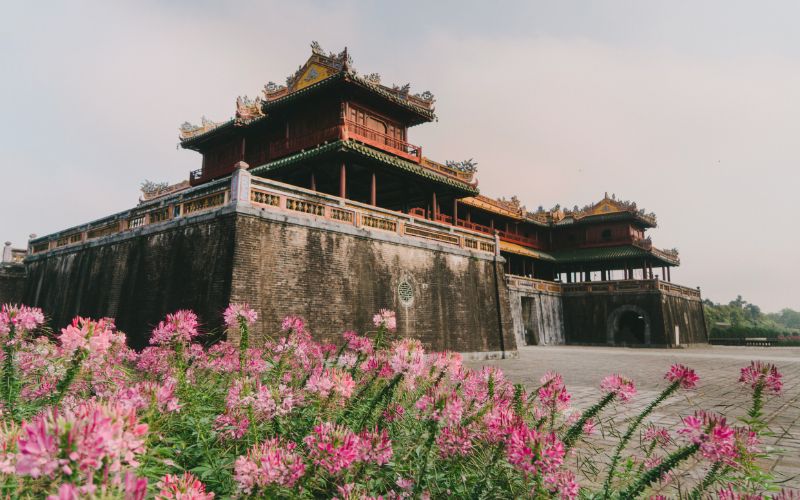
Hue
Beyond heritage sites, the Central Highlands offer a slower pace of life, ethnic diversity, and Vietnam’s main coffee-growing region. The central coast is also known for long sandy beaches, ideal for relaxation.
Southern Vietnam
Ho Chi Minh City, the country’s economic hub, dominates southern Vietnam. The city is energetic, modern, and deeply layered with history. Further south, the Mekong Delta reveals an entirely different rhythm of life, with floating markets, canals, and fertile farmland.
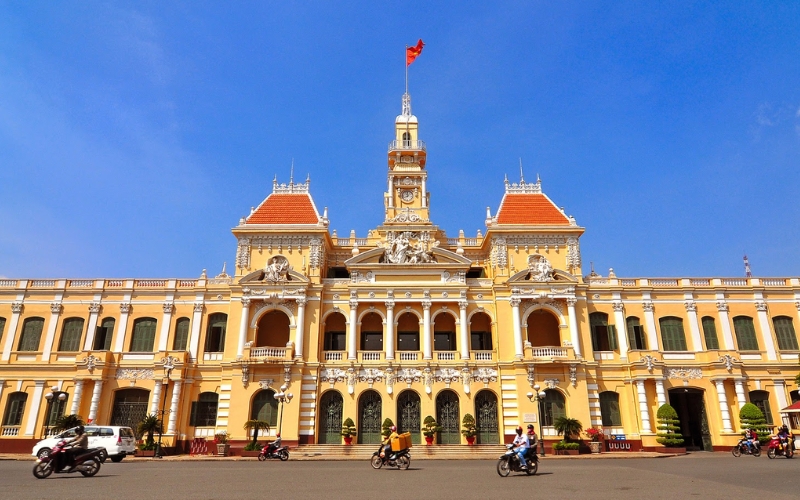
Ho Chi Minh City Hall
Phu Quoc Island, located about an hour’s flight from Ho Chi Minh City, is a popular beach destination, known for its clear waters, coral reefs, and laid-back atmosphere.
Laos is often described as the most peaceful country in Indochina, offering a slower pace and deep spiritual traditions.
Northern Laos
Northern Laos is widely considered the cultural and spiritual heart of the country. Luang Prabang, a UNESCO World Heritage Site, stands out for its remarkably well-preserved townscape, where traditional Lao wooden houses sit alongside elegant colonial buildings. The city’s countless Buddhist temples, daily alms-giving rituals, and mountain backdrop create an atmosphere that feels calm, intimate, and deeply rooted in tradition.
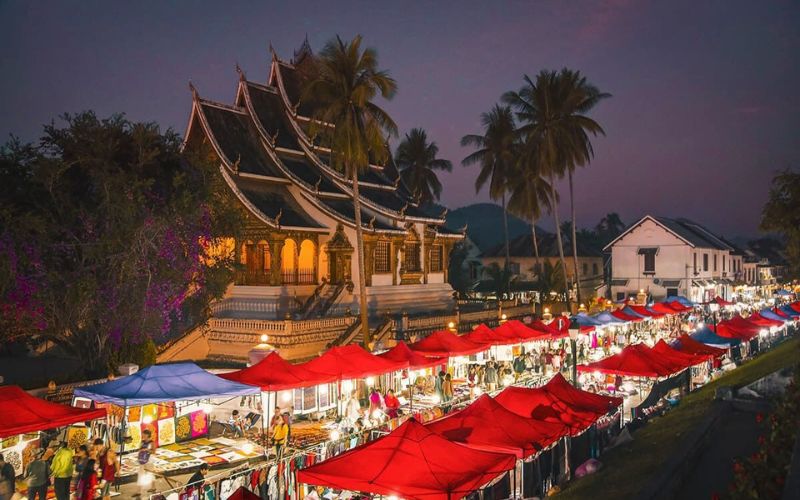
Luang Prabang Night Market
Beyond Luang Prabang, northern Laos reveals dramatic limestone scenery and rural landscapes. Vang Vieng is known for its karst mountains, rivers, and outdoor activities, while the Plain of Jars remains one of Southeast Asia’s most intriguing archaeological sites, scattered with thousands of ancient stone jars whose origins are still debated.
Central Laos
Central Laos offers a quieter, less-visited side of the country, ideal for travelers interested in local life and understated landscapes. Vientiane, the capital, introduces visitors to Laos at an unhurried pace. Landmarks such as Pha That Luang, the country’s most sacred monument, reflect the nation’s spiritual identity without the bustle of larger Southeast Asian capitals.
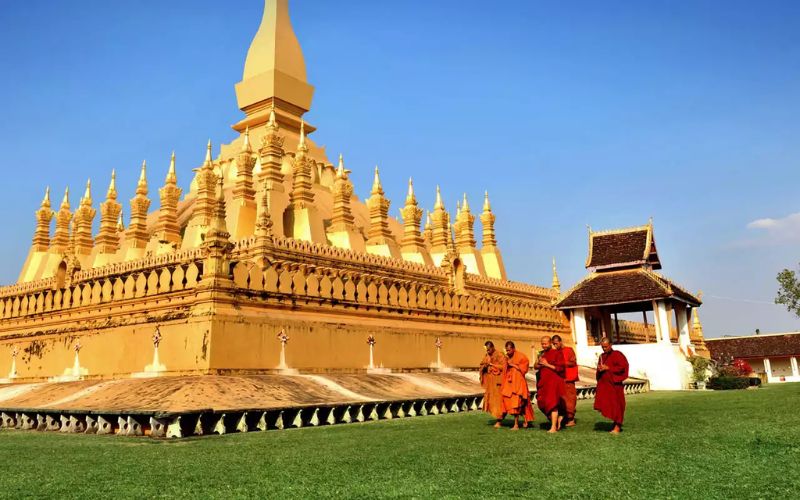
Pha That Luang
Moving south, the province of Khammouane features striking limestone formations, caves, and river valleys, while Savannakhet provides a glimpse into Laos’s colonial past, with remnants of French-era architecture and a laid-back Mekong riverside atmosphere.
Southern Laos
The Bolaven Plateau is famous for waterfalls, fertile soil, and coffee plantations. Champasak serves as the gateway to Vat Phou, a pre-Angkorian temple complex recognized by UNESCO. Further south, the 4,000 Islands region on the Mekong River offers a tranquil ending to a Laos journey, known for its relaxed pace and natural beauty.
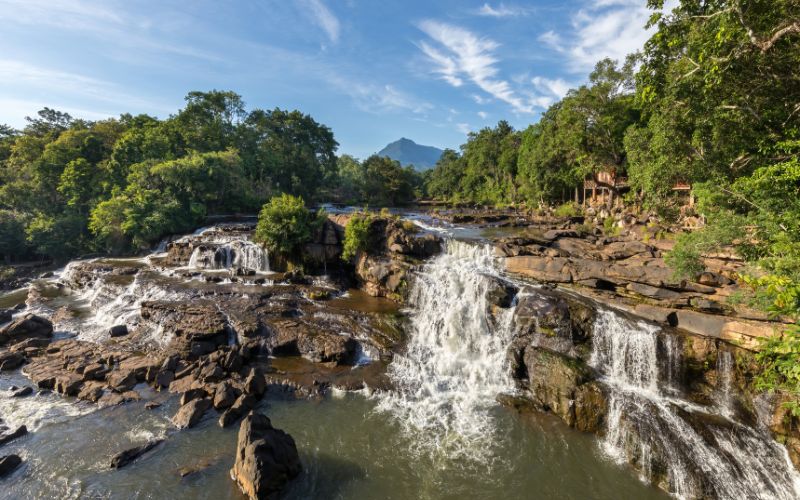
Bolaven Plateau
Cambodia is best known for its ancient temples, but the country offers much more beyond Angkor.
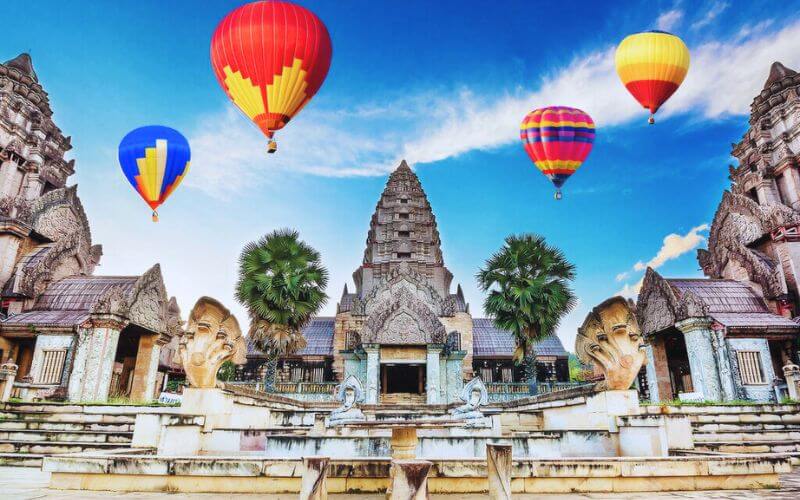
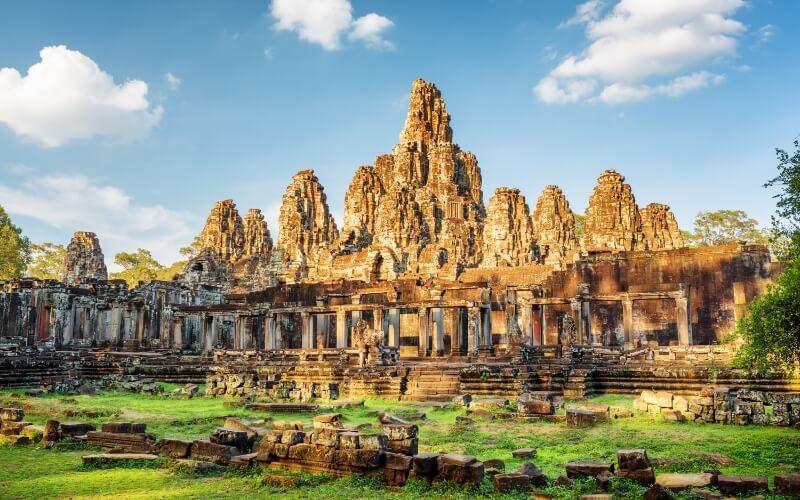
The Angkor temple complex near Siem Reap is Cambodia’s most iconic attraction and a UNESCO World Heritage Site. Angkor Wat, Angkor Thom, and Ta Prohm showcase the architectural and spiritual achievements of the Khmer Empire.
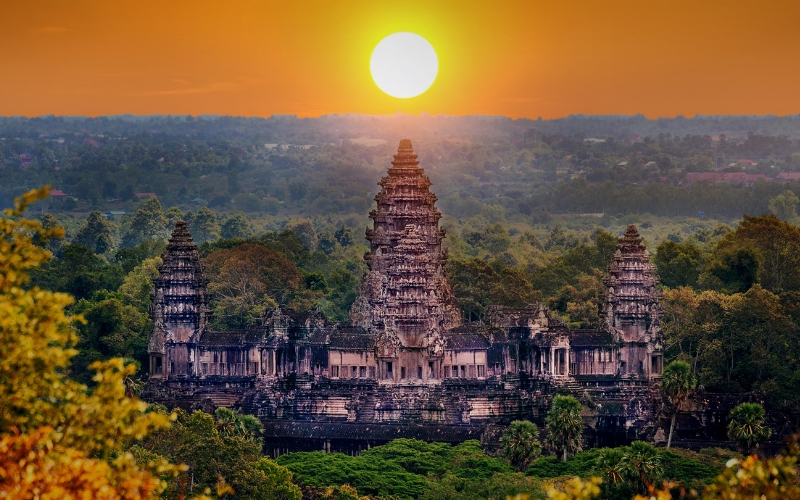
Angkor Wat Temple
Phnom Penh, the capital, offers a look at Cambodia’s royal and modern history, with sites such as the Royal Palace and National Museum. Travelers who seek unique experiences often visit Battambang, Kampot, Kratie, or Mondulkiri and Ratanakiri, regions renowned for their rural charm and ethnic diversity.
Tonle Sap Lake, a UNESCO biosphere reserve, highlights Cambodia’s unique water-based way of life. Coastal destinations and islands offer opportunities for beach relaxation at the end of the journey.
Thailand combines vibrant cities, ancient heritage, and world-famous beaches, making it a cornerstone of Indochina travel.
Northern Thailand
Northern Thailand offers a noticeably different atmosphere, shaped by cooler temperatures, mountainous landscapes, and deep-rooted traditions. Sukhothai, the first capital of the Thai kingdom, is known for its serene historical park and well-preserved ruins that trace the origins of Thai art and architecture.
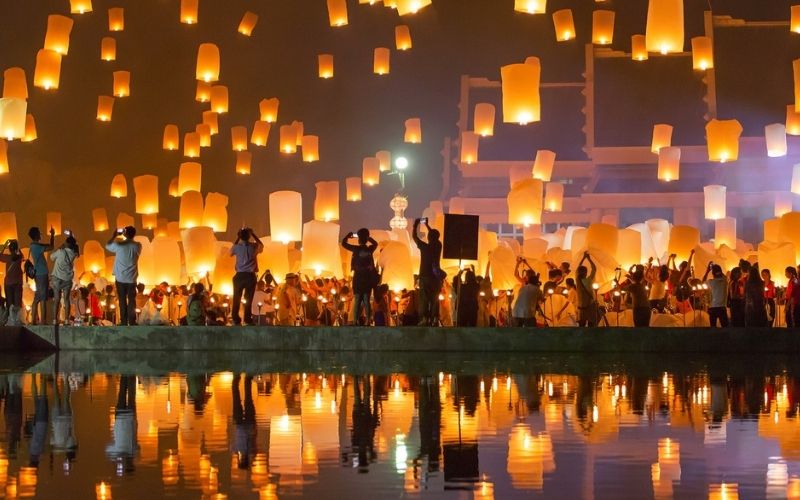
Yee Peng Lantern Festival in Chiang Mai
Further north, Chiang Mai and Chiang Rai attract travelers seeking culture, nature, and local cuisine. Ancient temples, vibrant markets, and surrounding hill country create ideal conditions for trekking, visiting ethnic communities, and experiencing a more relaxed rhythm of life compared to Thailand’s central plains.
Central Thailand
Central Thailand is anchored by Bangkok, a capital that captures the full range of modern and traditional Thai life. Grand temples, historic canals, and royal landmarks sit alongside contemporary shopping malls, rooftop bars, and an ever-evolving food scene. From street food stalls to refined restaurants, Bangkok remains one of Southeast Asia’s most exciting cities to explore, day or night.
Beyond the capital, central Thailand is also home to some of the country’s most important historical sites. Ayutthaya, once the heart of the Siamese kingdom, features impressive temple ruins set along rivers and canals, while nearby towns provide a slower-paced contrast to Bangkok’s energy.
Southern Thailand
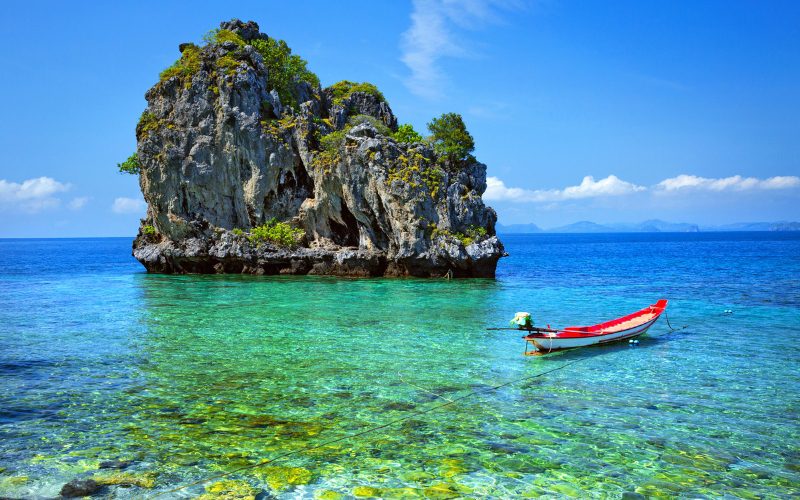
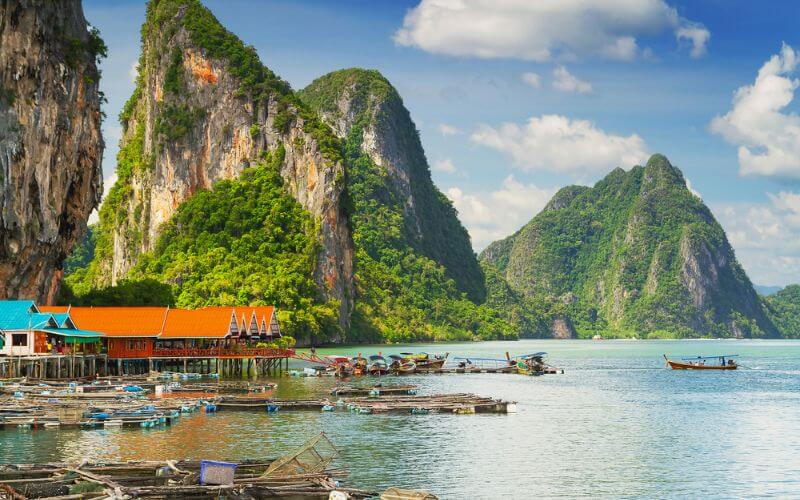
Southern Thailand is renowned for its islands and coastal scenery. Travelers can choose between the Gulf of Thailand islands, such as Koh Samui, Koh Tao, and Koh Phangan, or the Andaman coast destinations, like Phuket, Krabi, Koh Lanta, and Koh Phi Phi. Phang Nga Bay stands out for its dramatic limestone formations rising from emerald waters.
Myanmar offers a deeply spiritual and visually striking travel experience.
Yangon and Mandalay are known for their golden pagodas, including the Shwedagon Pagoda and the revered Golden Rock at Mount Kyaiktiyo. Bagan is often considered one of Southeast Asia’s most extraordinary archaeological zones, with thousands of temples spread across vast plains, best experienced at sunrise.
Inle Lake provides a glimpse into traditional rural life, with floating gardens, stilt houses, and distinctive leg-rowing fishermen. Shan State’s rolling hills and rice fields further reveal Myanmar’s natural beauty and cultural richness. Above all, many travelers remember Myanmar for the warmth and generosity of its people.
Indochina is a historical and geographical term used for the mainland region of Southeast Asia located between India and China. The name reflects the long-standing cultural influences from both civilizations, especially in religion, architecture, and trade.
Historically, Indochina most often refers to French Indochina, a colonial federation created in 1887 that included Vietnam, Laos, and Cambodia, with Hanoi as its administrative center. Remnants of this period are still visible today in major cities through colonial-era buildings, urban layouts, and cultural influences.
Thailand was never colonized, and Myanmar (formerly Burma) was ruled by the British rather than France. However, in modern travel usage, Indochina tours commonly cover Vietnam, Cambodia, Laos, Thailand, and occasionally Myanmar, reflecting shared geography and interconnected histories rather than colonial boundaries.
Today, Indochina is understood less as a political term and more as a way to describe a culturally rich region where ancient traditions, colonial history, and modern life coexist across borders.
>>> Read more: Indochina Greetings Guide: How to Say Hello Like a Local
The best time to visit Indochina is between November and February. The weather is drier, less humid, and slightly cooler in most of the region, with average temperatures around 30°C. However, plan for a warm jacket for the evenings. The rainy season in Indochina is between June and October, which means flooding in the Mekong Delta, but you can see lush rice paddies in Cambodia and Vietnam. If you don’t mind the occasional downpour, the monsoon season is often the best time of year to visit Indochina and avail of excellent rates on flights and accommodation.
>>> Read more:
There is no single “right” length, but for most travelers, 10 to 14 days is a good starting point. This allows you to combine two or three countries, see major highlights, and still have time to slow down and understand the places you are visiting, rather than rushing from one site to another.
If you want a more profound experience, 3 to 4 weeks is ideal. Longer journeys make it possible to explore multiple regions within each country, balance cultural visits with nature and downtime, and travel at a more relaxed pace. Indochina rewards unhurried travel, and many visitors find that even after a long trip, there is still plenty left to discover on a return visit.
>>> Click here to find ideal tours combined with several countries of Indochina

16 days in Vietnam and Thailand gives you enough time to move from Hanoi’s Old Quarter and Ha Long Bay’s limestone islands…
15 days in Vietnam and Laos gives you enough time to move from Hanoi’s Old Quarter and Ha Long Bay’s limestone islands…
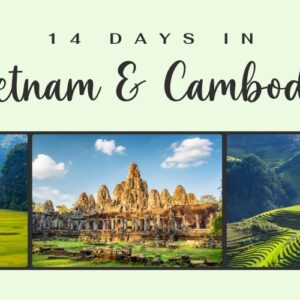
Let’s go for a journey through Southeast Asia, a region where ancient traditions seamlessly intertwine with modern cityscapes. In the heart of…
