




Whatever you want from your Vietnam, Cambodia, Laos, Myanmar & Thailand tour, our travel advisors are ready to help you with 1:1 advice.
Call our local experts: +84913.000.858
Vietnam boasts over 3,260 km of coastline and more than 3,000 islands, offering everything from iconic bays like Ha Long to resort beaches in Da Nang, Nha Trang, and Phu Quoc. Whether you prefer lively seaside cities or quiet, untouched shores, Vietnam’s beaches combine natural beauty, easy access, and good value, making coastal travel a top choice for most visitors.
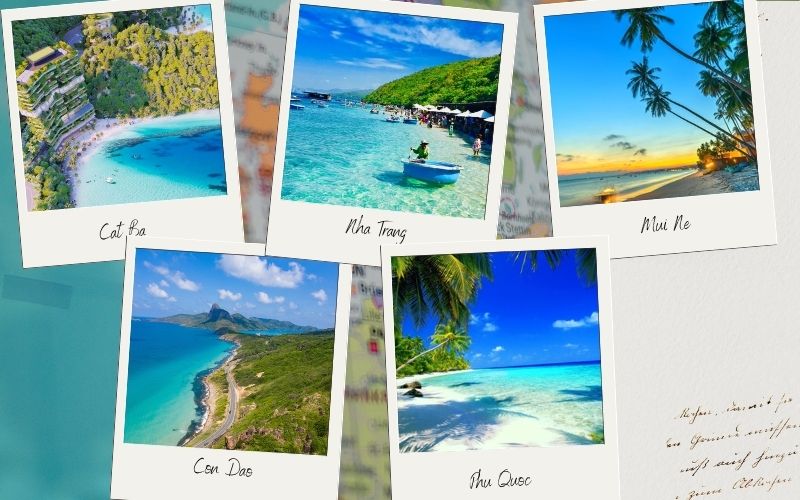
The best beaches in Vietnam
Vietnam’s most beautiful beach destinations are found across its islands and long central-southern coastline, with Cat Ba, Nha Trang, Mui Ne, Con Dao, and Phu Quoc consistently ranked as the top choices for beach holidays thanks to their natural scenery, accessibility, and travel infrastructure.
Located on the southern edge of Ha Long Bay, Cat Ba is the largest island in the archipelago and part of a UNESCO-recognized biosphere reserve. It appeals to travelers who want beaches combined with nature rather than resort-only stays. Cat Ba offers small sandy coves, kayaking in Lan Ha Bay, cycling through coastal villages, and hiking in Cat Ba National Park, which protects limestone forests and rare wildlife such as the golden-headed langur. The island is well suited to eco-minded travelers and those seeking a quieter alternative to Ha Long Bay cruises.
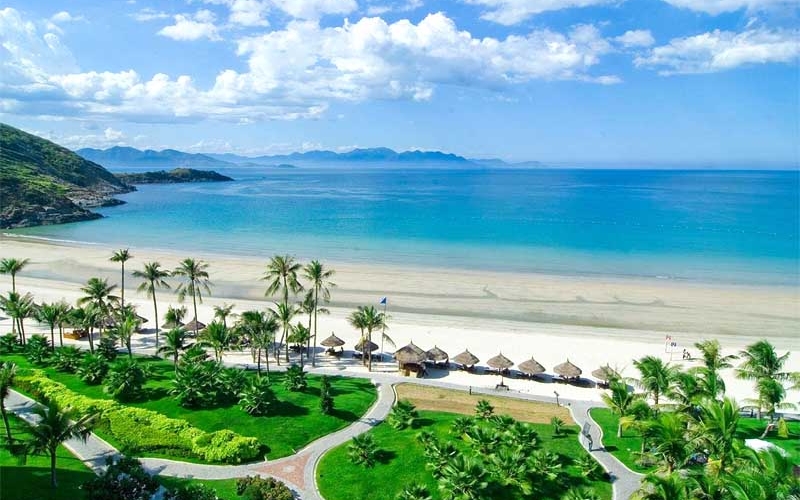
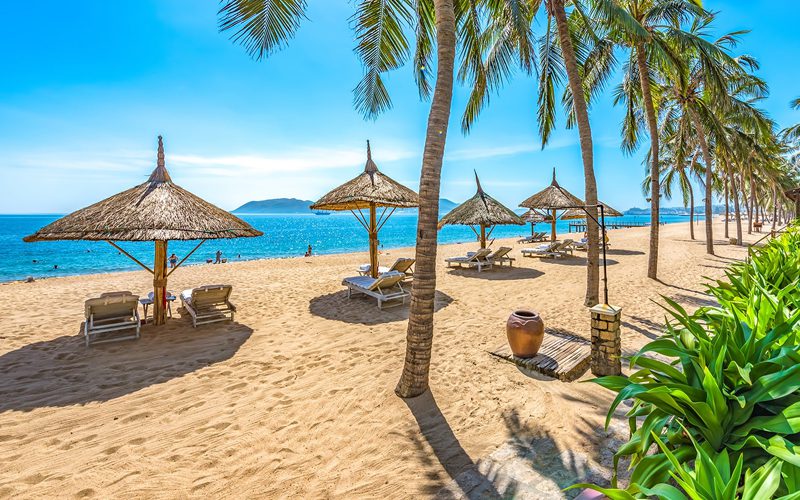
Nha Trang is Vietnam’s most established beach city and one of Southeast Asia’s best-known seaside destinations. Its 7-kilometer urban beach sits along a calm bay that has been repeatedly recognized among the world’s most beautiful bays. Nha Trang is ideal for travelers who want easy swimming, island-hopping, snorkeling, and water sports alongside cultural visits such as the Po Nagar Cham Towers and the Oceanographic Institute. With strong hotel infrastructure and excellent transport links, it remains a reliable beach choice.
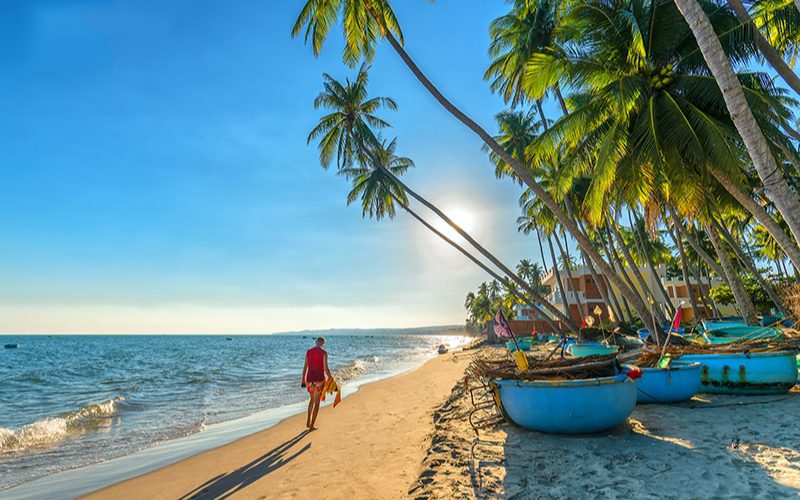
Mui Ne, in southern Vietnam, is best known for its dramatic red and white sand dunes and long, windy coastline. Rather than calm swimming beaches, Mui Ne attracts travelers interested in scenery, photography, and outdoor activities such as kitesurfing and windsurfing. Fishing villages, the Fairy Stream canyon, and sunrise dune landscapes give Mui Ne a distinctive character that feels very different from Vietnam’s island destinations.
The Con Dao archipelago is Vietnam’s most pristine beach destination. Located offshore from southern Vietnam, it consists of 16 islands, most of them uninhabited. Con Dao’s beaches remain uncrowded, with clear waters, coral reefs, and a strong focus on conservation. Con Dao National Park protects both marine and terrestrial ecosystems, making the islands a leading destination for ecotourism, snorkeling, and turtle conservation programs. The park is the best option for travelers seeking privacy, nature, and minimal mass tourism.
Phu Quoc is Vietnam’s largest island and its most popular beach destination. Situated in the Gulf of Thailand, it is known for white-sand beaches, calm seas, and reliable weather during the dry season. Phu Quoc combines beach relaxation with cultural and natural experiences, including pepper farms, fish sauce workshops, local markets, fishing villages, and a UNESCO-listed biosphere reserve covering much of the island’s interior. Beaches such as Bai Sao, Bai Dai, and Ganh Dau are among the most scenic in the country, making Phu Quoc suitable for couples, families, and longer resort stays.
Vietnamese beach holidays are not limited to sunbathing; thanks to calm seas, warm water, rich marine life, and coastal culture, travelers can combine relaxation, outdoor activities, and local experiences in one trip.
Vietnam’s coastline offers a wide range of water sports, especially in well-developed beach destinations such as Nha Trang, Mui Ne, Da Nang, and Phu Quoc. Licensed providers widely offer and operate jet skiing, parasailing, kayaking, paddleboarding, windsurfing, and kitesurfing. For underwater experiences, scuba diving and snorkeling are highlights, particularly around Nha Trang, Con Dao, and Phu Quoc, where coral reefs and tropical fish are still well preserved. These locations remain Vietnam’s most reliable diving spots as of 2026.
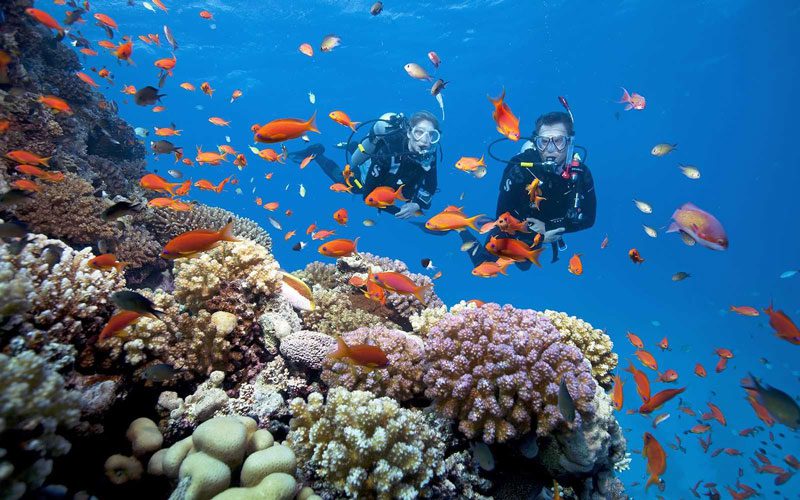
Scuba diving in Phu Quoc
Swimming remains the core activity of any beach stay in Vietnam. Sea temperatures are warm year-round in central and southern regions, often comfortable even in the early evening. Many Vietnamese beaches have gentle waves and shallow entry points, making them suitable for families and casual swimmers. Visitors should still follow local safety flags and seasonal jellyfish warnings, which are clearly marked in popular resorts.
Seafood culture strongly influences beach holidays in Vietnam. Fresh fish, shrimp, squid, crab, and shellfish are prepared simply to highlight natural flavors. Coastal night markets, beachfront restaurants, and small family-run eateries in fishing villages offer some of the best meals of the trip. Trying seafood directly at the source is a defining part of the Vietnam beach experience.
Many beach destinations also offer wellness-focused activities such as beachside massages, spa treatments, and traditional mud baths, especially in Nha Trang and Phu Quoc. Beyond the shoreline, travelers can enjoy coastal walks, light hiking, cycling, and countryside exploration that offer an overview of local life.
In Phu Quoc, popular excursions include visiting pearl farms, fish sauce workshops, and traditional markets. In Con Dao, ecotourism plays a central role: the islands prioritize conservation, and from May to September, limited visitors can observe green sea turtles nesting on Bay Canh Island under strict protection programs.
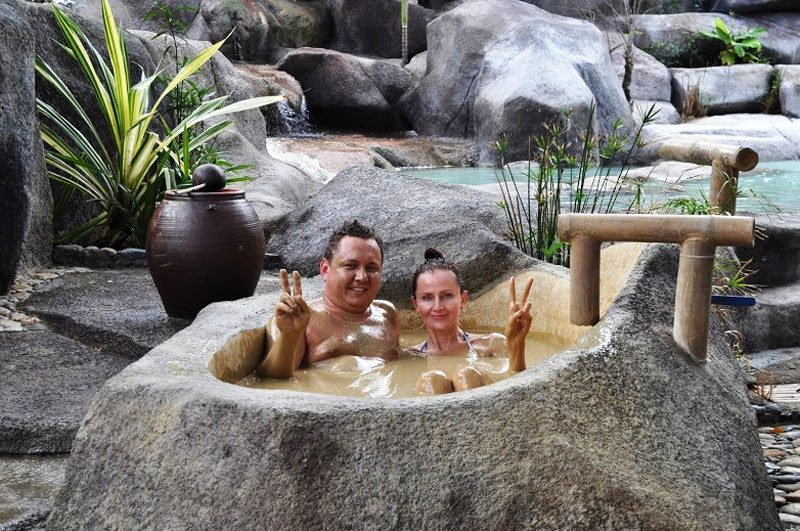
Mud bath in Nha Trang
The first step in planning is deciding when to go and how long to stay at the beach. When you go, you’ll determine which part of Vietnam has the best weather. It is also useful to know how long you want to stay. Do you want to have experiences in the city during your trip? The length of your stay will help determine which beach is best.
The next step is to choose the beach that suits your travel style and needs. In general, Nha Trang is a great place for a simple beach vacation where travelers can get their money’s worth. For people searching for luxury experiences, the beaches of Hue and Da Nang are the best.
Finally, in Vietnam, the choice of hotels is endless, and it is important to choose the right one for your trip. Solo travelers and families generally look for good-value hotels that are located near the beach or major area attractions. Honeymooners or those seeking luxury often feel more comfortable on a private beach, in a villa, or in a resort.
For a fantastic beach vacation in Vietnam, choose November to April for the South (Phu Quoc, Mui Ne) and February to August for the Central region (Da Nang, Hoi An, Nha Trang). This period is the dry season, with ideal sunny weather for swimming. However, summer (May-Aug) is often crowded with domestic tourists and may experience afternoon showers.
>>> Read Best time to go to Vietnam for more information.
From the northern regions of Halong Bay to the secluded island of Phu Quoc in the south, Vietnam has gorgeous beaches for swimming, snorkeling, water sports, and quiet relaxation.
Please see Vietnam Beach Breaks to better plan the perfect beach vacation.

Vietnam currency is the Vietnamese dong, written as VND or ₫. For most trips, the easiest approach is to pay everyday expenses…

A well-planned Nha Trang itinerary does not need a long list of beaches and islands. Two full days are enough for the…

Vietnam in 11 Days gives you enough time to move from Hanoi’s Old Quarter and Ha Long Bay’s limestone islands to Mekong…
