
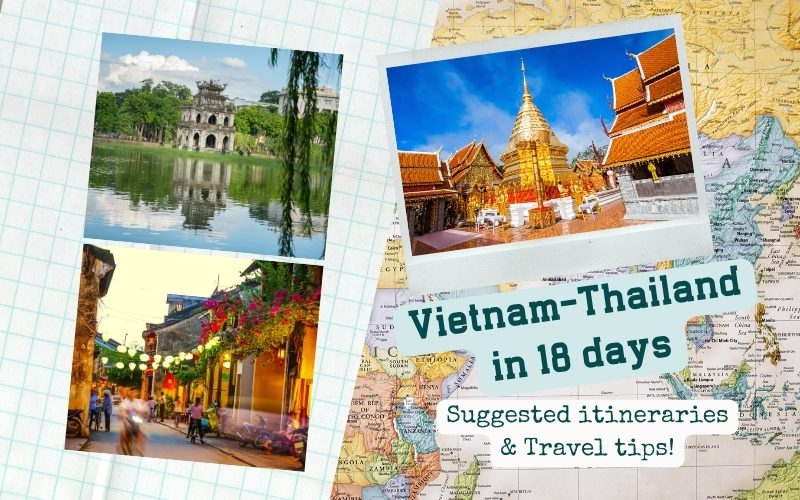
Is 18 days in Vietnam and Thailand enough? Yes. The most reasonable time allocation is to spend 10–12 days in Vietnam and 6–8 days in Thailand (or adjust depending on your priorities) by using round-trip flights to different destinations and limiting returns to the same places. The two itineraries below include: one option focusing on the culture and landscapes of Northern Vietnam, and another that explores the culture and scenery from Southern to Northern Vietnam, then continues to Phuket and Bangkok. Budget each country separately because accommodation, transport and activity costs differ, then adjust the estimate to the number of nights and guided days in the chosen route.
Which 18-Day Vietnam and Thailand Itinerary Fits You?
- Journey to Vietnam and Thailand in 18 days: From Vibrant Cities to Serene Beaches
- Highlights of Vietnam and Thailand in 18 Days
- Thailand and Vietnam in 18 Days over Enchanting Landscapes
- Thailand, Cambodia and Vietnam in 18 days: A trip to remember
- 19 Days in Vietnam and Thailand: A Tale of Splendid Discovery
- Tropical Delights of Vietnam and Thailand in 20 Days
- Choose Itinerary 1 for Northern Thailand, temples and a culture-rich journey through Vietnam.
- Choose Itinerary 2 for a longer Vietnam circuit followed by Phuket and Bangkok.
The table below shows the practical difference before you examine each day in detail.
| Itinerary | Main route | Best for | Country split | Main trade-off |
| Culture-Rich Thailand and Vietnam | Bangkok, Chiang Rai, Chiang Mai, Hanoi, Ninh Binh, Ha Long Bay, Hoi An, Hue and Ho Chi Minh City | First-time visitors prioritizing temples, mountain scenery and heritage cities | About 7 nights in Thailand and 10 nights in Vietnam | Several long transfer days and no dedicated beach stay |
| Vietnam Highlights with Phuket | Ho Chi Minh City, Mekong Delta, Hoi An, Hue, Ha Long Bay, Hanoi, Phuket and Bangkok | Couples and families wanting Vietnam’s main regions plus beach recovery | About 12 nights in Vietnam and 5 nights in Thailand | The Hanoi-Phuket sector needs careful planning, and Phuket has only 2 relaxing nights |
Itinerary 1: A Culture-Rich Journey Through Thailand and Vietnam
- Route: Bangkok – Chiang Rai – Chiang Mai – Hanoi – Ninh Binh – Ha Long Bay – Hoi An – Hue – Ho Chi Minh City
- Best for: First-time visitors who prefer temples, food, mountain scenery and heritage cities to a beach stay.
- Strengths: The journey changes gradually from central Thailand to the northern highlands, then follows Vietnam from north to south. It includes both Ninh Binh and Ha Long Bay without treating either as a rushed day trip.
- Weaknesses: This route contains several long transfers and no dedicated beach block. The final Vietnam section moves quickly through Hoi An, Hue and Ho Chi Minh City.
- Best time: November to February usually gives the most comfortable overlap for Bangkok, northern Thailand and southern Vietnam. Northern Vietnam can be cool or misty, so pack a light layer.
- Should avoid: This exact route if you want 3 or more full beach days, dislike frequent flights or need a slower final week.
Day 1 | Arrive in Bangkok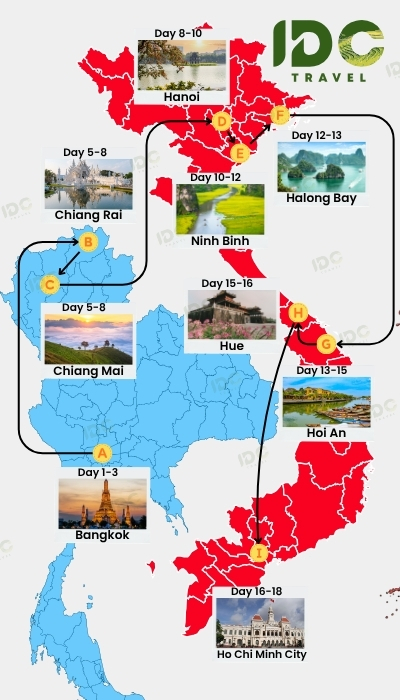
Keep the first day light. Check in, walk near the hotel and have an early night rather than booking a fixed evening tour after a long flight.
Day 2 | Bangkok Palaces, Temples and River Life
Visit the Grand Palace area, Wat Pho and Wat Arun with time for the Chao Phraya River. Cover shoulders and knees at religious sites and leave the evening free for dinner.
Day 3 | Markets Outside Bangkok
Use a guided day for Maeklong Railway Market and the canals around Damnoen Saduak. Return to Bangkok before the evening rush and repack for the next flight.
Day 4 | Fly to Chiang Rai
Fly north and use the afternoon for Chiang Rai or the Golden Triangle area, depending on arrival time. Do not promise a full regional circuit on a late flight day.
Day 5 | Chiang Rai Temples and Transfer to Chiang Mai
See Wat Rong Khun and Wat Rong Suea Ten before travelling overland to Chiang Mai. The evening is best kept flexible for a market or a quiet meal.
Day 6 | Chiang Mai Temples and Local Neighbourhoods
Combine the old city with Wat Phra That Doi Suthep. A guide helps explain temple etiquette and avoids turning the day into a checklist of similar sites.
Day 7 | Countryside and Responsible Elephant Experience
Choose an operator that prioritizes observation, feeding and welfare education. Avoid programs built around performances or forced animal interaction.
Day 8 | Fly from Chiang Mai to Hanoi
Treat this as a travel day even if the flight itself is short. Check current schedules before booking and avoid a tight self-transfer through another airport.
Day 9 | Hanoi History and Street Life
Explore the Old Quarter, the Temple of Literature and the lake area at a measured pace. A food walk works well in the evening if energy allows.
Day 10 | Hanoi to Ninh Binh
Travel south by road and choose one boat landscape, either Trang An or Tam Coc. Stay in Ninh Binh so the day does not end with another return transfer.
Day 11 | Ninh Binh Countryside
Cycle or walk between villages and add Hoa Lu or Hang Mua according to mobility and weather. Start outdoor activities early in hot months.
Day 12 | Ninh Binh to Ha Long Bay
Transfer to the coast and board an overnight cruise. Cruise routes and activities change with port instructions and weather, so confirm the final program before departure.
Day 13 | Ha Long Bay to Hoi An
Disembark around midday, continue to the airport and fly to Da Nang before transferring to Hoi An. This is a demanding travel day and should not carry a formal evening tour.
Day 14 | Hoi An Ancient Town
Walk through the historic center, markets and merchant-house area. Add a lantern workshop or a countryside cycle ride, but not both if the weather is hot.
Day 15 | Hoi An to Hue
Travel north over the Hai Van route and arrive in Hue with time for a riverside walk. Save the main imperial sites for the following morning.
Day 16 | Hue Heritage and Flight South
Visit the Imperial City and one royal tomb, then fly to Ho Chi Minh City. Keeping the site list short makes the flight connection less stressful.
Day 17 | Ho Chi Minh City and the Mekong Option
Choose either a focused city day or a long Mekong Delta excursion. Trying to combine both reduces each experience to transit and photo stops.
Day 18 | Depart Ho Chi Minh City
Use a late flight only for a flexible market visit or cafe stop. Allow generous airport time and keep purchases within airline baggage limits.
>>> See the full itinerary: Highlights of Vietnam and Thailand in 18 Days. IDC Travel can adjust the order, hotel level and activity intensity around your flights.
Pace and comfort notes for this route:
- Protect the two longest travel days: Day 8 may involve a connection between Chiang Mai and Hanoi, while Day 13 combines cruise disembarkation, an airport transfer, a domestic flight and the road journey to Hoi An. Do not attach a prepaid evening activity to either day.
- Use Ninh Binh as the recovery point: Keep Day 11 at a moderate pace. Choose village cycling, a gentle walk or Hang Mua according to the weather and your energy rather than trying to complete every attraction.
- Reduce luggage handling: Prepare a small overnight bag for Ha Long Bay, arrange laundry in Hanoi or Hoi An and keep medication, documents and one change of clothes in your hand luggage.
- Protect the final two days: On day 17, you can choose to join a tour of Ho Chi Minh City or a day trip exploring the Mekong Delta. Keeping the last night in Ho Chi Minh City avoids an unprotected transfer before the international flight home.
Flights and gateways for this itinerary
Arrive through Bangkok and depart internationally from Ho Chi Minh City. Plan the main transport sequence as follows:
- Fly from Bangkok to Chiang Rai, checking whether the service uses Suvarnabhumi Airport (BKK) or Don Mueang Airport (DMK).
- Travel from Chiang Rai to Chiang Mai by road.
- Fly from Chiang Mai to Hanoi using the best available direct or connecting itinerary. If a connection is required, book both sectors on 1 ticket when possible and leave the first Hanoi evening free.
- After the Ha Long Bay cruise, travel to the confirmed northern departure airport, fly to Da Nang and continue by road to Hoi An. Cruise disembarkation, the airport transfer, check-in and the Hoi An transfer make this a full travel day.
- Fly from Hue to Ho Chi Minh City for the final part of the journey.
- Spend the final night in Ho Chi Minh City before the international departure.
Do not build the itinerary around an assumed nonstop flight. Schedules and connection points should be checked for the actual travel date before hotels and non-refundable activities are confirmed.
Itinerary 2: Vietnam’s Highlights with a Relaxing Phuket Escape
- Route: Ho Chi Minh City – Mekong Delta – Hoi An – Hue – Ha Long Bay – Hanoi – Phuket – Bangkok – Ayutthaya – Kanchanaburi
- Best for: Couples, families and first-time visitors who want Vietnam’s main regions plus two relaxing nights by the Andaman Sea.
- Strengths: The beach break sits after the busiest Vietnam section, while Bangkok remains a practical final gateway. The route balances history, river life, food and downtime.
- Trade-offs: The Hanoi to Phuket sector may require careful schedule selection. Two nights in Phuket provide recovery, not a complete island-hopping holiday.
- Best time: December to March generally provides the strongest weather overlap for southern Vietnam, central Vietnam and Phuket. Central Vietnam can still receive unsettled weather at the edges of this period.
- Should avoid: This exact route if Northern Thailand is a priority, you prefer mainly overland travel or you want more than 2 full beach days.
Day 1 | Arrive in Ho Chi Minh City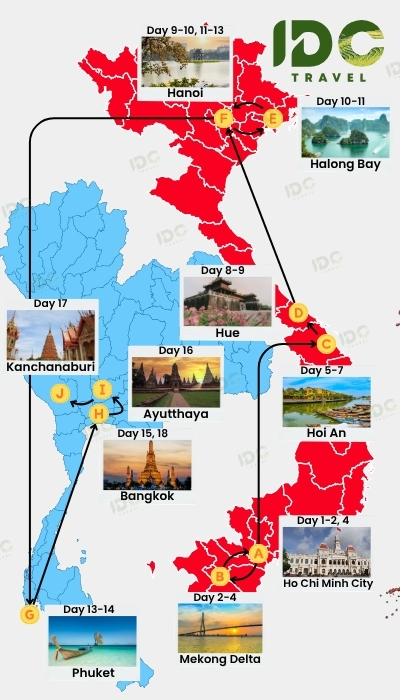
Settle in and explore close to the hotel. A short walk around Nguyen Hue or the central market area is enough after an overnight flight.
Day 2 | Ho Chi Minh City and Cu Chi
Pair a compact city introduction with the Cu Chi Tunnels if you are comfortable with a long day. Travelers who prefer museums should keep the whole day in the city.
Day 3 | Mekong Delta to Ben Tre
Travel to Ben Tre for small waterways, local workshops and village life. A private guide helps avoid stops designed mainly for large coach groups.
Day 4 | Can Tho Morning and Return to Ho Chi Minh City
Start early for the river and return to the city after breakfast or lunch. Market activity changes over time, so treat local life as the focus rather than one promised spectacle.
Day 5 | Fly to Da Nang and Continue to Hoi An
Fly north and transfer to Hoi An. Leave the evening open for a first walk through the old town instead of adding another ticketed activity.
Day 6 | Hoi An Heritage and Food
Explore the historic center and learn how Chinese, Japanese and Vietnamese influences shaped the port. Try cao lau (Hoi An-style noodles with pork and greens) for a local lunch.
Day 7 | Hoi An at Your Own Pace
Choose a countryside bicycle ride, a cooking class or beach time. One free day protects the itinerary if an earlier flight or excursion changes.
Day 8 | Travel to Hue
Cross the Hai Van Pass area by road and arrive in Hue. Visit one light attraction only if departure from Hoi An is early.
Day 9 | Hue and Flight to Hanoi
Focus on the Imperial City, Thien Mu Pagoda and one royal tomb. Fly to Hanoi later and keep dinner close to the hotel.
Day 10 | Hanoi to Ha Long Bay
Board an overnight cruise after the road transfer. Pack a small overnight bag so the main luggage can remain organized for the next flight sector.
Day 11 | Ha Long Bay to Hanoi
Join the morning cruise activity, disembark and return to Hanoi. Avoid booking a same-evening international connection after the cruise.
Day 12 | Hanoi City Day
Use the day for the Old Quarter, the Temple of Literature and a neighbourhood food experience. Leave time to prepare for the Thailand flight.
Day 13 | Fly from Hanoi to Phuket
Check current routes before purchase and accept that a connection may consume most of the day. Book both sectors on one ticket when possible.
Day 14 | Phuket Beach Day
Keep one complete day for the beach or a weather-dependent boat trip. Choose a licensed operator and follow marine safety instructions.
Day 15 | Fly to Bangkok
Take a morning or midday flight and settle into one Bangkok neighbourhood. Avoid crossing the city repeatedly for dinner and shopping.
Day 16 | Ayutthaya Day Trip
Explore a small group of temples with context rather than racing around every ruin. Carry sun protection and water because much of the visit is outdoors.
Day 17 | Kanchanaburi Day Trip
Choose a history-focused River Kwai program or a nature-focused excursion, not both at full length. Return to Bangkok for the final night.
Day 18 | Bangkok and Departure
Match the last activity to the flight time. A riverside breakfast or nearby market is safer than a distant attraction before an international departure.
>>> See the full itinerary: Journey to Vietnam and Thailand in 18 Days. The tour team can adapt beach time, room type and private transfers to your travel style.
Pace and comfort notes for this route:
- Manage Days 10 to 13 as one connected sequence: The Ha Long Bay cruise, return to Hanoi and flight to Phuket occur close together. Pack a separate cruise bag and use Day 12 as a measured city day rather than adding an early start and a late-night tour.
- Keep the first Phuket evening free: The Hanoi to Phuket journey may require a connection. Avoid a non-refundable dinner, show or boat departure on the arrival day because a delayed first sector can affect the rest of the journey.
- Let the weather decide Day 14: Choose either a beach day or a licensed boat excursion after checking the marine forecast. Do not force an island program simply because it was booked before the forecast became clear.
- Keep one Bangkok excursion optional: Ayutthaya and Kanchanaburi create two substantial day trips in succession. If the group is tired after Phuket, remove one and use the day for a slower Bangkok neighbourhood, spa treatment or riverside meal.
- Confirm the final airport: Bangkok flights may use Suvarnabhumi or Don Mueang. Stay in Bangkok on the final night and check the airport code before arranging the last transfer.
Flights and gateways for this itinerary
Arrive through Ho Chi Minh City and depart internationally from Bangkok. The main flight sequence is:
- Fly from Ho Chi Minh City to Da Nang and continue by road to Hoi An.
- Fly from Hue to Hanoi after the Central Vietnam program.
- Travel from Hanoi to Phuket using the best available direct or connecting itinerary. Compare total journey time, checked-baggage conditions and any airport change rather than choosing by headline fare alone.
- Fly from Phuket to Bangkok for the final part of the trip.
- Spend the last night in Bangkok and confirm whether the international departure uses BKK or DMK.
The Hanoi-Phuket sector is the most sensitive part of this itinerary. When a connection is necessary, use 1 ticket where possible, keep the Phuket arrival evening free and avoid placing a prepaid boat excursion immediately after arrival.
Estimated Budget for Thailand and Vietnam in 18 Days
Daily spending differs between Vietnam and Thailand, so the two country tables should be read separately rather than treated as one uniform 18-day rate. Accommodation, meals, local transport and private guiding may cost differently in each country, while international flights, the flight between countries, visas, insurance, baggage fees and personal shopping should be budgeted as separate trip-level expenses.
Use the number of nights spent in each country to calculate an initial ground budget, then add the actual transport and entry costs for your dates. Route 1 usually allocates more time to Thailand at the beginning and Vietnam in the second half, while Route 2 places a longer cultural circuit in Vietnam before finishing in Thailand.
Daily Land Costs in Vietnam
| Daily cost category | Budget | Mid-range | Luxury |
| Accommodation share per night | USD 20-45 | USD 55-120 | USD 150-350 |
| Meals and non-alcoholic drinks | USD 15-30 | USD 35-60 | USD 70-130 |
| Local ground transport | USD 8-25 | USD 25-60 | USD 70-180 |
| Guides, entrances and activities | USD 20-60 | USD 70-150 | USD 180-400 |
| Typical daily land total | USD 63-160 | USD 185-390 | USD 470-1,060 |
Daily Land Costs in Thailand
| Daily cost category | Budget | Mid-range | Luxury |
| Accommodation share per night | USD 25-60 | USD 70-170 | USD 220-650 |
| Meals and non-alcoholic drinks | USD 15-35 | USD 40-80 | USD 90-180 |
| Local ground transport | USD 8-30 | USD 25-75 | USD 80-240 |
| Guides, entrances and activities | USD 25-80 | USD 80-200 | USD 220-500 |
| Typical daily land total | USD 73-205 | USD 215-525 | USD 610-1,570 |
- For Itinerary 1, begin with roughly 7 nights in Thailand and 10 nights in Vietnam.
- Itinerary 2 reverses the emphasis with about 12 nights in Vietnam and 5 nights in Thailand.
Multiply each country’s daily range by the actual number of payable nights and active touring days, then reduce the estimate for arrival days, transfer days and free days. Do not charge every calendar day as a full guided day.
International, regional and domestic flights, checked baggage, visas, insurance, shopping and peak-date surcharges are excluded. A Ha Long cruise or beach package may already include accommodation, meals, transfers and activities, so remove those overlapping daily items before adding the package price. Itinerary 2 may spend more on Phuket accommodation and flights; Itinerary 1 may direct more of the budget toward private touring across northern Thailand and Vietnam.
Essential Travel Guide for Vietnam and Thailand in 18 Days
Prepare the 2 countries separately. Vietnam and Thailand have different entry procedures, arrival declarations and currencies, while the flight sequence must be checked against the actual travel date before hotels and fixed activities are confirmed.
Vietnam Entry Documents and Payment Planning
- Visa or visa exemption: Vietnam’s entry conditions depend on nationality, passport type, purpose and length of stay. Travelers who need an eVisa should use only the official Vietnam eVisa portal. An approved Vietnam eVisa may be valid for up to 90 days with single or multiple entry, but the validity dates, permitted entry point and passport details must match the journey.
- Pre-Arrival Information: Vietnam’s PAI system is separate from the visa process and does not grant permission to enter the country. It is currently being piloted for foreign nationals arriving at Tan Son Nhat International Airport and remains optional during the pilot. Travelers following Itinerary 2 may complete the form through the official PAI portal and save the generated QR code. Itinerary 1 enters Vietnam through Hanoi, so travelers should check the current expansion status before departure rather than assuming that the Tan Son Nhat procedure applies at Noi Bai.
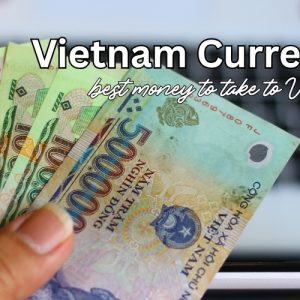
- Currency: Vietnam uses the Vietnamese dong, or VND. Cards are practical at established hotels, larger restaurants and ticketed attractions, while cash remains useful for markets, street food, small cafés and rural stops.
- ATMs and card conversion: Use a bank-operated ATM in a secure location, check the displayed operator fee and keep a backup card separately. When an ATM or terminal offers to charge the transaction in your home currency, compare the conversion carefully before accepting it. IDC Travel’s Vietnam Currency Guide explains banknotes, cash exchange and ATM choices in more detail.
- Before flying to Thailand: Use or exchange a large remaining VND balance through an authorized provider. Vietnamese dong is not a practical everyday currency in Thailand.
Thailand Entry Documents and Payment Planning
- Visa or visa exemption: Thailand revised its tourist visa-exemption and Visa on Arrival measures on 15 September 2026. Eligibility and permitted stay still depend on nationality and passport, so check the current official list instead of relying on an older visit or article. Travelers who require a visa should use the official Thai eVisa website.
- Thailand Digital Arrival Card: All non-Thai nationals entering Thailand must complete the TDAC online within 3 days before arrival, including the arrival date. TDAC is an arrival declaration, not a visa, and a new submission is required for every entry. Use only the free official TDAC portal and keep the confirmation accessible.
- Currency: Thailand uses the Thai baht, or THB. Cards work well at established hotels, shopping centers and larger restaurants, but travelers should carry baht for markets, smaller eateries, tips and local transport.
- ATM and conversion checks: A Thai ATM may add a local operator fee, while the card issuer may charge a separate foreign-use fee. Review the displayed amount before accepting the withdrawal and decline an unfavorable home-currency conversion when you prefer your bank or card network to perform the exchange.
- Before the country-change flight: Keep the Thailand accommodation address, onward-flight details, passport and TDAC confirmation together. Store backup cards, reserve cash and copies of important documents separately.
Gateway and Flight-Booking Checklist
Bangkok and Ho Chi Minh City are practical international bookends for these routes. An open-jaw ticket, arriving in 1 city and departing from another, avoids unnecessary backtracking.
- Check every airport code: BKK and DMK are separate Bangkok airports connected by road. Confirm the airport before arranging accommodation, transfers or separate tickets.
- Protect separate tickets: Allow a generous connection buffer or an overnight stay. If the first airline is delayed, another airline on a separate ticket may not protect the onward booking.
- Compare the full baggage cost: Review cabin and checked-baggage allowances for every sector. A low fare can become more expensive after baggage, seats and payment fees are added.
- Keep the final night in the departure city: Do not depend on an unprotected domestic flight on the same day as the long-haul journey home.
- Count the entire transfer: Hotel checkout, road traffic, check-in, security, immigration and baggage collection can turn a short flight into a half-day movement.
If the available flights do not support the proposed order, contact IDC Travel before confirming separate tickets. The route can be adjusted around workable gateways instead of forcing the sightseeing plan around a poor connection.
When Is the Best Time for 18 Days in Vietnam and Thailand?
The best time for an 18-day trip combining Vietnam and Thailand is from November to February, during the region’s cool and dry season. However, the routes cross several climate zones, so no month provides identical weather in every destination.
Vietnam Weather by Region
- Northern Vietnam: Hanoi, Ninh Binh and Ha Long Bay are generally cooler and less humid from late autumn through early spring. December to February can be cool, misty or grey, particularly around Ha Long Bay. March and April are often milder, while summer brings greater heat, humidity, rain and possible cruise disruption.
- Central Vietnam: Hoi An and Hue usually become more favorable from around February, with increasingly warm and drier conditions through spring. Rain, flooding and tropical weather are more likely from roughly October to December, so outdoor sightseeing and the road over the Hai Van Pass need greater flexibility during this period.
- Southern Vietnam: Ho Chi Minh City and the Mekong Delta remain warm throughout the year. December to April is generally the drier period. The wetter months can still support sightseeing, but afternoon showers, high humidity and occasional local flooding should be considered when planning a long Mekong day.
For a fuller regional and month-by-month comparison, read IDC Travel’s guide to the best time to visit Vietnam.
Thailand Weather by Region
- Bangkok and Central Thailand: November to February normally provides more comfortable conditions for temples, markets and outdoor day trips. March to May can be very hot, while the wetter months require more flexibility for Ayutthaya and Kanchanaburi excursions.
- Northern Thailand: Chiang Rai and Chiang Mai are usually most comfortable from November to February, with cooler mornings and evenings. March and April bring stronger heat and a greater risk of seasonal haze, which can reduce mountain views and make long outdoor programs less comfortable.
- Phuket and the Andaman Coast: November to April usually offers the more reliable window for beach time and boat excursions. From May to October, rougher seas, rain and changing marine conditions can affect island trips even when the whole day is not wet.
IDC Travel’s guide to the best time to visit Thailand explains how the northern, central and coastal seasons differ.
Which Months Suit Each Itinerary?
- Itinerary 1: November to February generally supports Bangkok and Northern Thailand, but the Central Vietnam section needs special attention. January and February are often the easier compromise if Hoi An and Hue are priorities. November or December may bring more comfortable weather in Northern Thailand while Central Vietnam remains wetter.
- Itinerary 2: February and March often provide the best overall compromise for Southern Vietnam, Central Vietnam, Hanoi, Ha Long Bay and Phuket. Keep the Phuket boat day movable, because sea conditions should still be checked locally shortly before departure.
Travel outside these windows is still possible. The route should respond by moving weather-sensitive activities, shortening midday sightseeing in hot weather and keeping an indoor or land-based alternative for cruise and boat days.
Top Vietnamese and Thai Dishes to Try in 18 Days
The most useful way to explore food on this trip is to match each dish to the region where it developed. Both countries have strong regional differences, so the flavours in Hanoi or Chiang Mai should not be treated as interchangeable with those in Ho Chi Minh City or Phuket.
Vietnamese Dishes to Try Along the Route
Northern Vietnamese cooking tends to be balanced and savoury, with restrained seasoning that allows broth, herbs and grilled ingredients to remain distinct. Central food is often bolder and can be noticeably spicier, while Southern cooking commonly uses more sweetness, fresh herbs and tropical ingredients.
- Bun cha (Hanoi grilled pork with rice noodles): Grilled pork is served with rice noodles, herbs and a light fish-sauce broth. It is commonly eaten at lunch and makes a natural addition to the Hanoi city day.

Bun Cha (Hanoi grilled pork with rice noodles)
- Cao lau (Hoi An-style noodles with pork and greens): Thick noodles, sliced pork, herbs and crisp toppings give Hoi An a dish that feels different from both Northern and Southern Vietnamese food.
Cao lau (Hoi An-style noodles with pork and greens)
- Bun bo Hue (Hue-style beef noodle soup): This aromatic noodle soup uses lemongrass, beef and a richer, often spicier broth. Ask for less chilli if you prefer milder food.
Bun bo Hue (Hue-style beef noodle soup)
- Com tam (Saigon broken rice): Broken rice is usually served with grilled pork, pickles, vegetables and fish sauce. It is a practical local meal during the Ho Chi Minh City section.
Com tam (broken rice)
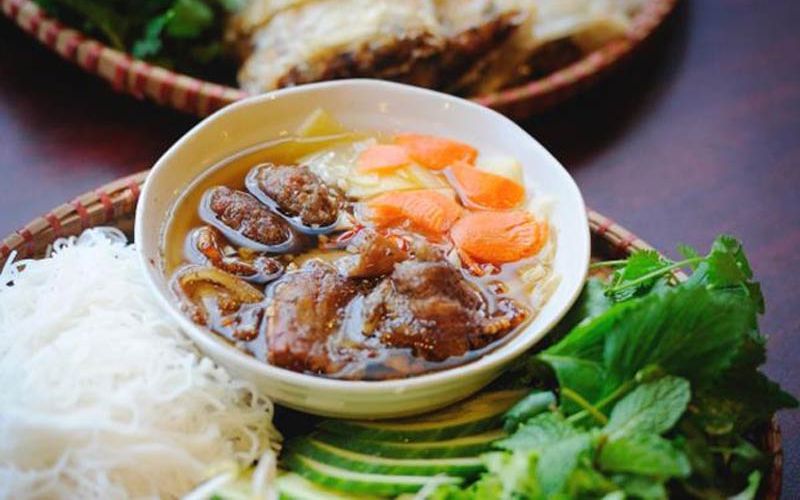
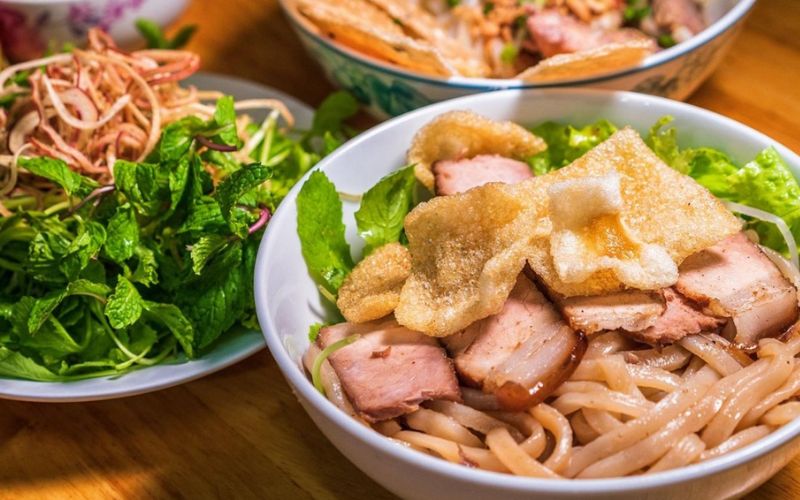
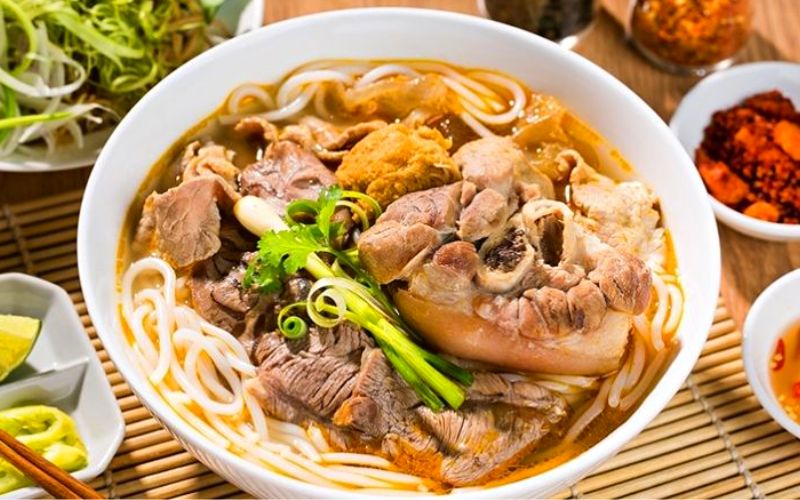
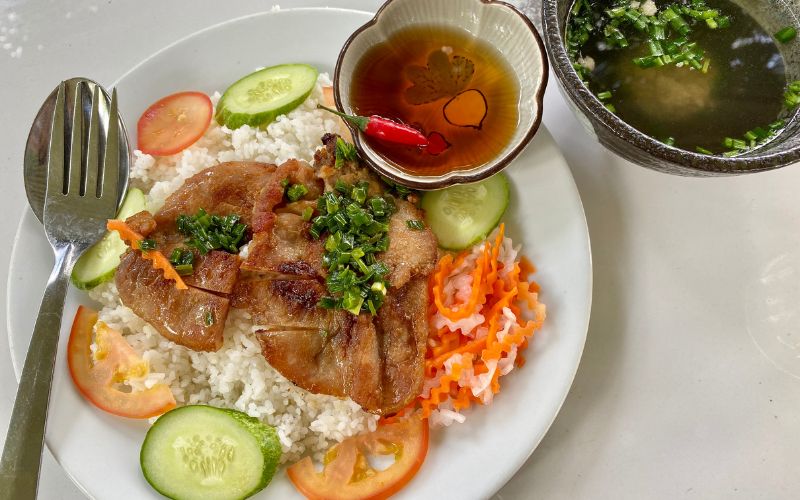
Travelers who want a wider regional list can continue with IDC Travel’s guide to popular Vietnamese dishes.
Thai Dishes to Try Along the Route
Bangkok and Central Thai cooking often balance sweet, salty, sour and spicy flavours in the same dish. Northern Thai food uses herbs, chilli pastes and local sausages, with less dependence on coconut milk than many visitors expect. Phuket and Southern Thailand are known for seafood, turmeric, coconut-rich curries and stronger heat.
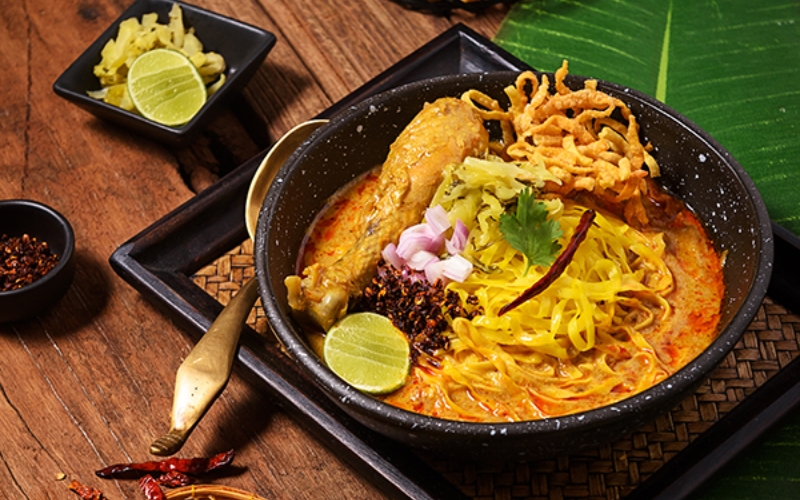
- Khao soi (Northern Thai curry noodles): A Chiang Mai favourite combining soft noodles, a curry broth and crisp noodles on top. Lime, shallots and pickled vegetables help balance the richness.
Khao soi (northern Thai curry noodles)
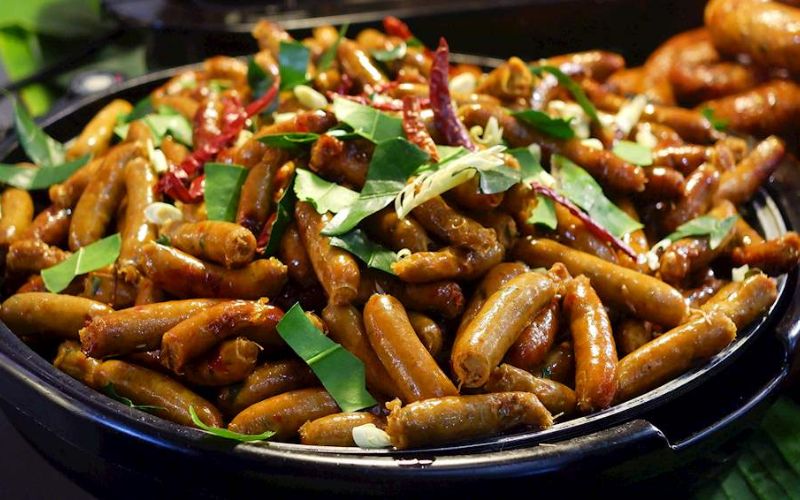
- Sai ua (Northern Thai herb sausage): This grilled sausage is seasoned with herbs and spices such as lemongrass and kaffir lime leaf. It works well as a market snack or part of a shared Northern Thai meal.
Sai Ua (Northern Thai Herbed Sausage)
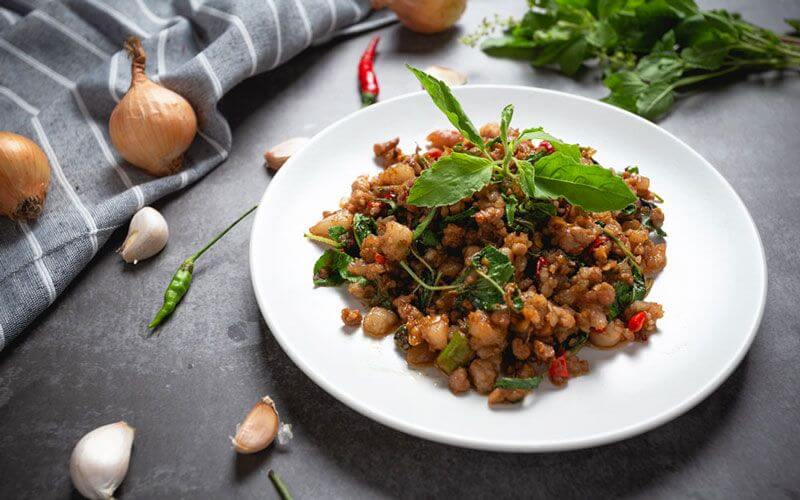
- Pad krapao (stir-fried meat with holy basil): A widely available rice dish cooked with holy basil, garlic and chilli, often topped with a fried egg. Ask for the chilli level to be reduced rather than assuming the standard version will be mild.
Pad krapao (stir-fried meat with holy basil)
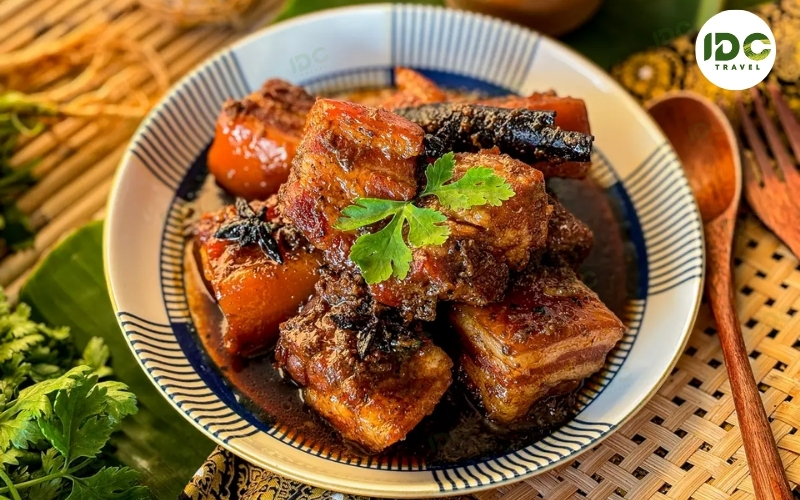
- Moo hong (Phuket-style braised pork): Pork is slowly braised with soy, garlic, pepper and warm spices. It reflects Phuket’s Chinese-influenced food heritage and offers a gentler alternative to a hot Southern curry.
Moo hong (Phuket-style braised pork)
For a broader introduction to regional favorites, see IDC Travel’s guide to must-try Thai dishes.
Fish sauce, shrimp paste, peanuts, soy, coconut and shared cooking oil are common in both countries. Travelers with allergies should carry a translated allergy card and confirm sauces, stocks and cooking surfaces. “Vegetarian” does not always mean that fish sauce or shrimp paste has been excluded.
Create an 18-Day Vietnam and Thailand Trip Around Your Priorities
These 2 itineraries are starting points, not fixed limits. An 18-day journey can spend more time in Northern Thailand, extend Vietnam’s heritage route, add a longer beach stay or reduce hotel changes for families and slower travelers. The right version depends on your dates, group size, preferred hotel level and the experiences you do not want to miss.
Use IDC Travel’s Create My Holiday form to share those priorities and receive a personalized route with suitable transport, accommodation and activity suggestions.
Read more:

We just came back from a shorter version of this tour, and I have to say — the food in Vietnam blew us away! The street eats in Hanoi and the night markets in Chiang Mai were unforgettable. This 18-day version looks perfect if you want to go deeper.