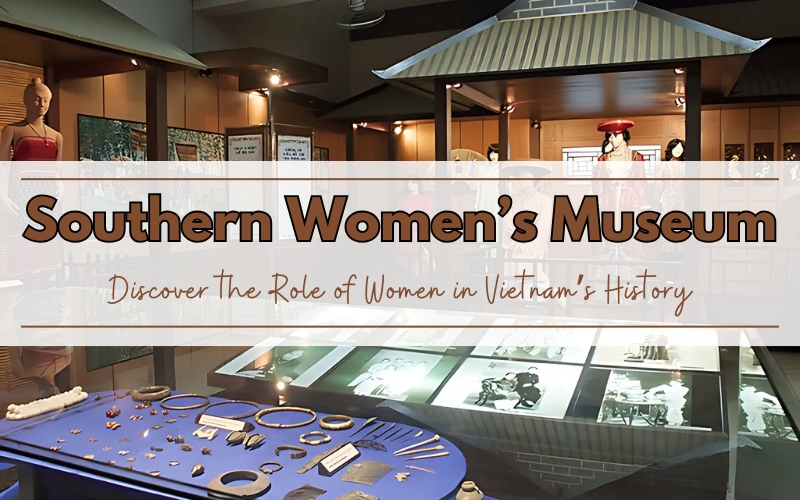
Few museums in Ho Chi Minh City leave a quiet, lasting impression the way the Southern Women’s Museum does. While the city pulls most visitors toward the War Remnants Museum or the Reunification Palace, this understated institution in Xuan Hoa Ward tells a story that rarely gets enough attention: the wartime courage, daily ingenuity, and cultural identity of Vietnamese women across generations. If you are building a Vietnam itinerary and want something that goes beyond the standard trail, this is the stop worth adding.
What Is the Southern Women’s Museum?
The Southern Women’s Museum (Vietnamese: Bao Tang Phu Nu Nam Bo) is a public history museum dedicated entirely to the lives, roles, and contributions of women in southern Vietnam. It covers a wide arc of time, from precolonial traditions and the French occupation era through the American War period and into contemporary life.
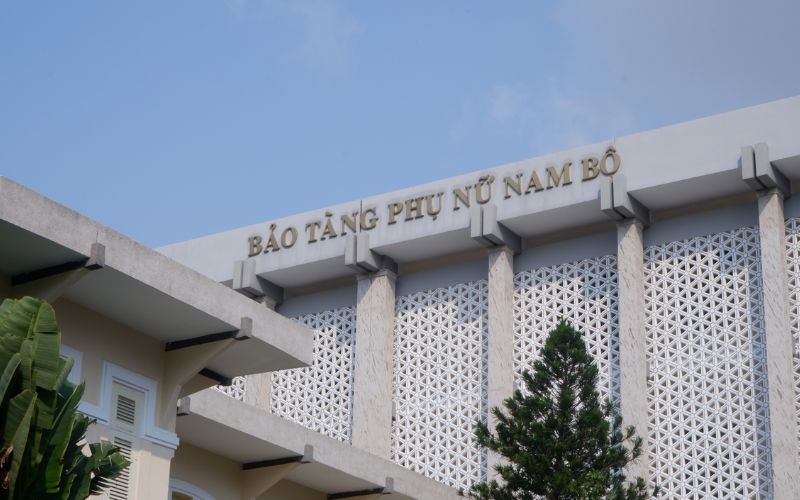
The Southern Women’s Museum serves as a significant cultural site dedicated to preserving and honoring the history, contributions, and heritage of women in Southern Vietnam.
The museum was born out of a specific historical moment. In January 1983, a research group of 13 female members began documenting the history of the women’s movement in southern Vietnam. That work led directly to the museum’s founding, and on April 29, 1985, it opened its doors for the first time to mark the 10th anniversary of southern Vietnam’s liberation.
It started with six exhibition rooms covering 200 square meters. Within a year, construction expanded the space to 3,000 square meters, and by 1990, the new building was fully inaugurated.
Today, the museum manages over 44,000 artifacts and more than 12,000 documents, spanning revolutionary memorabilia, cultural objects, textiles, diaries, and wartime tools. It also holds a library with over 12,000 specialized books on women’s history. In 2018, it became the first museum in Ho Chi Minh City to introduce 3D and 360-degree virtual reality technology into its displays, a decision that has noticeably changed how visitors interact with the older collections.
One historical footnote worth knowing: the building was previously the residence of Nguyen Ngoc Loan, Director General of the General Department of Police of the Republic of Vietnam. It was repurposed as the Traditional House of Southern Women in 1984. In 1990, it joined Vietnam’s National Museum system, and in 1998, it received the First-Class Labor Medal.
Location of the Southern Women’s Museum
- Address: 200-202 Vo Thi Sau Street, Xuan Hoa Ward, Ho Chi Minh City, Vietnam.
The museum sits in the heart of Xuan Hoa Ward, one of the more leafy and residential parts of central Ho Chi Minh City. It is about 2 kilometers from Ben Thanh Market and just 700 meters from the War Remnants Museum, which makes combining both into a single morning or afternoon very manageable.
How to Get There
Getting to the museum is straightforward from most central locations:
- By foot or motorbike: From the centre of Saigon, follow Pasteur Street northwest until it connects with Vo Thi Sau Street. Turn left, walk or ride 350 meters, and the museum is on your right.
- By bus: Routes 04, 28, 30, 54, 91, 150, and 152 stop near or at the museum.
- By taxi or ride-hailing: Grab, Green SM (Vietnam’s first all-electric taxi), and Bee are all available and typically arrive within a few minutes in this part of the city. For a group, a taxi is usually the most convenient option.
- By cyclo or walking tour: If you are already visiting the War Remnants Museum nearby, it is a short and easy walk along tree-lined streets.
Best Time to Visit the Southern Women’s Museum
Ho Chi Minh City has two seasons: dry and wet. The dry season runs from December to April, with temperatures typically between 25°C (77°F) and 35°C (95°F). The wet season (May through November) brings short, heavy afternoon rain showers. Either season works for museum visits, since you are indoors for most of the time.
If you want the most comfortable experience:
- December to February offers cooler, lower-humidity days and is the most popular travel period in southern Vietnam.
- Early mornings (7:30 AM to 9:30 AM) at the museum are noticeably quieter. There are often very few other visitors in some sections, which lets you move at your own pace.
- Avoid peak Vietnamese public holidays (Tet Lunar New Year in January or February, Liberation Day on April 30, International Labor Day on May 1) if you want a more private visit, as traffic and crowds in the city increase significantly.
Practical Information: Tickets, Hours, and What to Expect
Opening Hours
The Southern Women’s Museum is open daily (Sunday through Thursday, with some sources also listing Friday and Saturday hours):
- Morning session: 7:30 AM to 11:30 AM
- Afternoon session: 1:30 PM to 5:00 PM (last entry at 4:30 PM)
The midday closure between 11:30 AM and 1:30 PM is standard for many government institutions in Vietnam. If you arrive at noon, you will need to wait or return after lunch.
Southern Women’s Museum Tickets
Admission is free. There is no entrance fee for any visitor, regardless of nationality or age. Parking for a motorbike costs 5,000 VND (roughly $0.20), which is about as close to free as parking gets in this city.
The building has fans but no central air conditioning, something worth knowing before you visit. The layout is relatively open and airy, which helps, but on a 34°C (93°F) afternoon in April or May, light clothing and a water bottle are practical essentials.
How Long Does a Visit Take?
Most visitors spend between one and two hours at the museum. The building is large, covering 5,410.5 square meters, but not all sections are always open simultaneously (some renovation work has been ongoing in recent years). A focused visit through the permanent collections takes about 60 to 90 minutes. If you engage with the 3D/360-degree virtual exhibitions and spend time reading the exhibition texts, two hours is more realistic.
What to See Inside: The Exhibitions
The Southern Women’s Museum runs 31 rotating exhibitions alongside its permanent collection of 27 permanent displays. The range is wider than most visitors expect.
Permanent Exhibitions
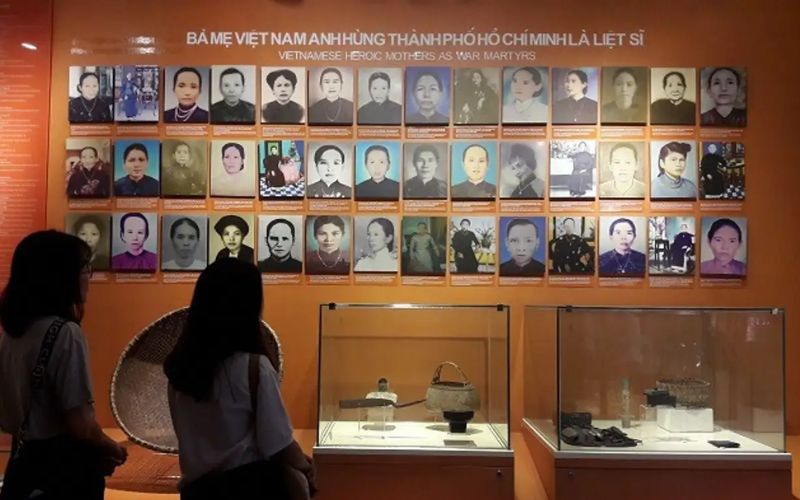
The “Mother of Vietnamese Heroes” exhibit pays a moving tribute to the strength and immense sacrifices of mothers who lost their children during the country’s struggle for independence.
The permanent collection is organized into 11 core themes:
- Southern women’s traditions before the establishment of the Communist Party
- Uncle Ho’s relationship with Southern women
- The formation and development of Vietnamese women’s organizations
- Southern women after national reunification
- Southern women in politics and diplomacy
- Southern women in the military
- Southern women in foreign affairs
- Southern women in colonial prisons
- Worship of Lady (a distinctive spiritual figure in southern Vietnamese culture)
- Vietnamese women’s clothing and jewelry
- Traditional handicraft weaving
The section on colonial prisons is one of the more powerful parts of the museum. It documents the experiences of female political prisoners during the colonial and independence eras, including women who survived torture and solitary confinement. The displays use personal photographs, letters, and objects rather than dioramas, which keeps the tone human rather than theatrical.
The Ao Dai Exhibition
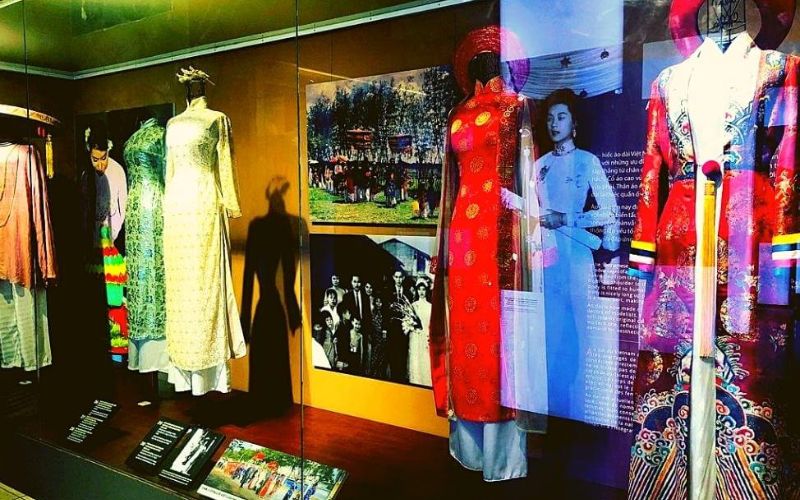
The Ao Dai Exhibition celebrates the evolution and timeless elegance of Vietnam’s national dress, highlighting its cultural importance through the decades.
One of the most visited exhibitions traces the evolution of the “ao dai”, Vietnam’s traditional women’s dress. The collection includes 65 garments showing how the design changed across different eras: from loose, flowing early versions to the more fitted modern silhouette associated with the 20th century. This exhibition attracts both fashion historians and visitors who simply want to understand what they keep seeing on the streets.
The War-Era Collections
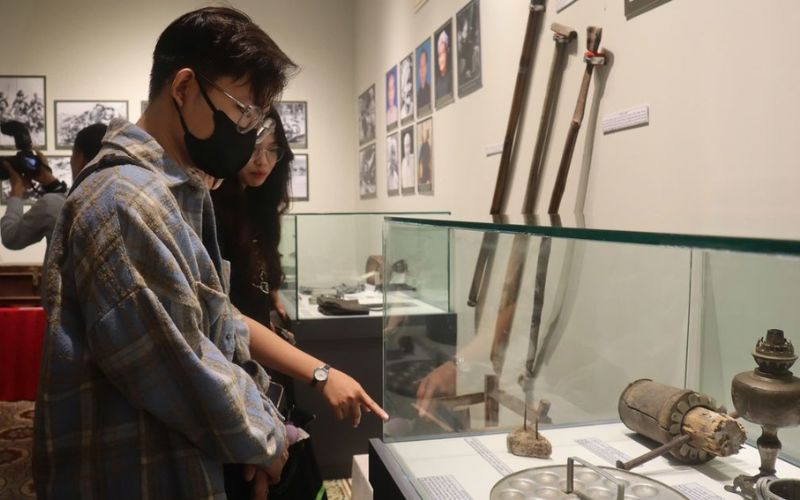
The War-Era Collections provide a raw and authentic look at the daily lives and resilience of Southern women who served on the front lines and in the resistance.
The war section houses over 1,000 photographs and artifacts related to the roles women played during the Vietnam War. This includes contributions in areas that are not often discussed in international accounts: female diplomats and state officials, women who served in intelligence operations, and those who organized supply chains through the tunnels and jungles of the south. There are handwritten letters, personal diaries, and operational materials that were clearly carried and used by real people, not reproduced for display.
The 3D/360 Virtual Reality Installations
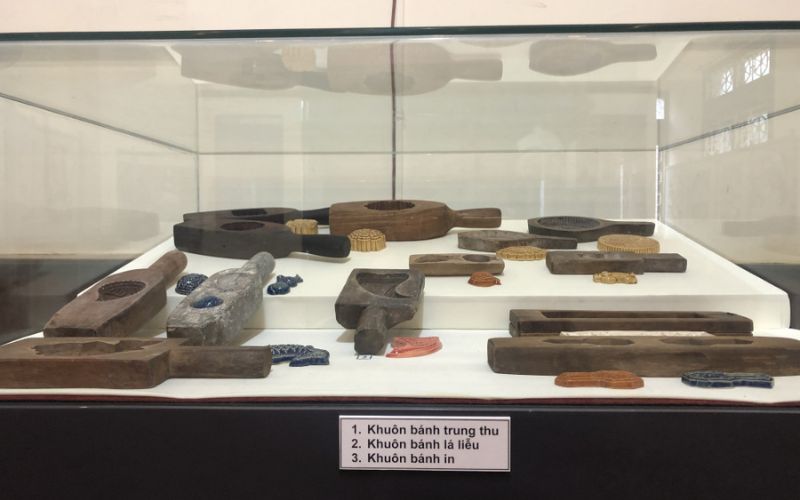
The 3D and 360-degree Virtual Reality installations offer an immersive way for visitors to experience historical events and heritage sites with cutting-edge technology.
Since 2018, the museum has incorporated interactive 3D models of historical artifacts. Visitors can rotate and examine objects that would otherwise be behind glass. For children or visitors who find static displays hard to engage with, this section tends to draw more time than expected.
Thematic and Rotating Exhibitions Southern Women’s Museum
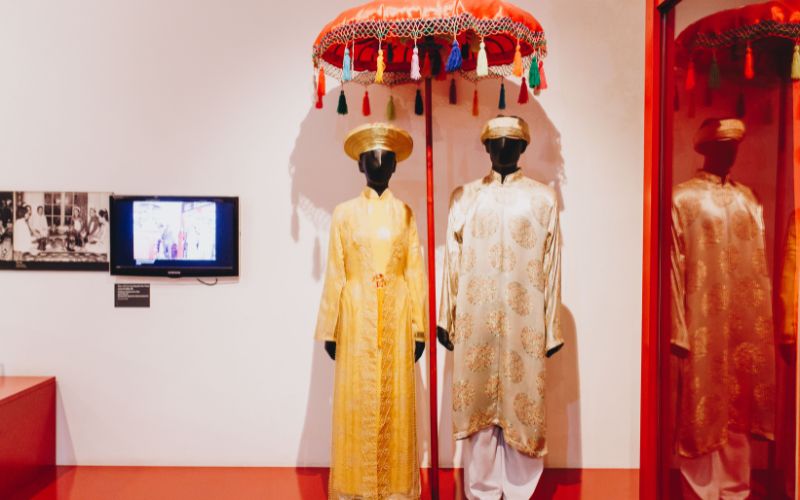
Traditional artisanal crafts to modern social achievements of women.
Recent rotating exhibitions have covered topics including “Vietnamese weddings in southern Vietnam in the early 20th century”, “The immortal flower”, and “Southern women in culinary culture”. These change periodically, so what you see on one visit may differ from another.
Vo Thi Sau Street: The Road Worth Noticing
The Southern Women’s Museum sits on Vo Thi Sau Street, one of Xuan Hoa Ward’s more distinctive roads, and the street itself is part of the visit.
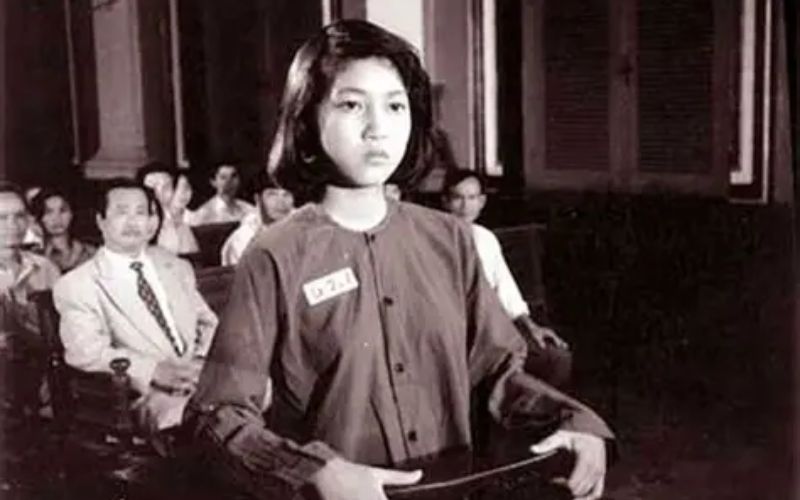
Vo Thi Sau, a legendary revolutionary whose courage and ultimate sacrifice continue to inspire generations of Vietnamese people.
Vo Thi Sau is named after a real person – Vo Thi Sau – was a Vietnamese revolutionary and resistance fighter from Ba Ria, executed by French colonial forces in 1952 at just 19 years old. She was one of the first women to be officially recognized as a Vietnamese Hero of the Armed Forces, and streets, schools, and public spaces across the country bear her name. Walking down this road before or after the museum carries a quiet historical resonance that is easy to miss if you do not know the story.
What the Street Offers Visitors
The stretch of Vo Thi Sau Street near the museum is calmer than the main arteries of the centre. The area has:
- Wide, tree-shaded sidewalks that make walking comfortable even in the afternoon heat.
- Several small cafes and local food stalls where you can stop for a “ca phe sua da” (Vietnamese iced milk coffee) before or after your visit.
- Proximity to Le Van Tam Park (about 1.4 km away), a lush green space that locals use for morning exercise and evening strolls.
- Easy access to nearby Tan Dinh Market and the distinctive pink-painted Tan Dinh Church (Sacred Heart Church), one of the most photographed facades in Ho Chi Minh City.
- A general pace that feels more neighborhood than tourist corridor, which makes a midday walk here noticeably different from the streets around Ben Thanh.
If you arrive early, the 7:30 AM opening aligns well with the city’s morning calm. Vo Thi Sau Street at that hour, with locals on motorbikes and vendors setting up, gives you a slice of Ho Chi Minh City that the guidebooks do not photograph.
Nearby Attractions Worth Combining
The museum’s location in Xuan Hoa Ward puts it within easy reach of several other worthwhile stops. A well-planned half-day can reasonably include the museum plus one or two of the following:
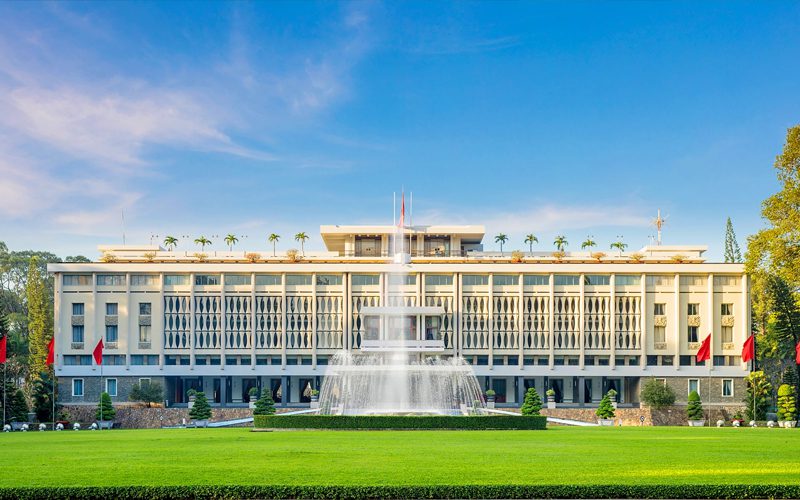
Independence Palace
- War Remnants Museum (700 meters away): The most visited museum in Vietnam, with extensive wartime photography and artifacts. Emotionally heavy but historically important.
- Independence Palace (1.6 km away): The preserved government building where the war ended on April 30, 1975. The war rooms and original furnishings are intact.
- Tan Dinh Church (Approximately 1.2 km): The striking pink Gothic Revival church, built in 1876, that appears constantly on social media for its unusual color.
The Southern Women’s Museum in the Context of Your Vietnam Trip
A visit to the Southern Women’s Museum works well as part of a broader Ho Chi Minh City itinerary, particularly for travelers who want historical depth beyond the war narrative. The museum’s story is not only about conflict. It covers culture, craft, politics, fashion, and family life across a long stretch of Vietnamese history.
For travelers doing Southern Vietnam tours, Ho Chi Minh City is almost always the starting or ending point. The museum fits naturally into a city day that might also include the War Remnants Museum, the Reunification Palace, a visit to Cholon (the Chinese district), or a day trip to the Cu Chi Tunnels or the Mekong Delta.
If you are planning a trip and want help building an itinerary that covers the right mix of history, culture, and practical logistics, IDC Travel’s Ho Chi Minh City tours are a practical starting point. IDC Travel is a Hanoi-based tour operator with licensed operations across Vietnam, offering tailor-made private tours that adapt to the interests and pace of individual travelers rather than running fixed group schedules.
For those looking at a wider southern Vietnam itinerary, we also offer Southern Vietnam tours that combine Ho Chi Minh City with the Mekong Delta, the Con Dao Islands, and other less-visited parts of the region.
Conclusion: Southern Women’s Museum At a Glance
Before you visit, here is a quick overview of the key details:
| Detail | Information |
| Full Name | Southern Women’s Museum (Bao Tang Phu Nu Nam Bo) |
| Address | 200-202 Vo Thi Sau Street, Xuan Hoa Ward, Ho Chi Minh City, Vietnam. |
| Tel. | (84.8) 39.320.322 – 39.325.690 |
| Fax | (84.8) 39.327.130 |
| baotangphununambo@yahoo.com / baotangphununambo@gmail.com | |
| Website | https://baotangphunu.com/en/home/ |
| Opening Hours | 7:30 AM to 11:30 AM / 1:30 PM to 5:00 PM (closed midday) |
| Ticket Price | Free (parking: 5,000 VND / ~$0.20) |
| Founded | April 29, 1985 |
| Total Artifacts | Over 44,000 |
| Museum Area | 5,410.5 square meters |
| Nearest Landmark | War Remnants Museum (700 meters) |
| Recommended Visit Time | 60 to 120 minutes |
| Special Feature | First museum in HCMC with 3D/360 virtual reality exhibits |
| Nearby Transport | Bus routes 04, 28, 30, 54; Grab and Green SM available |
The Southern Women’s Museum is not the most crowded spot in Ho Chi Minh City, and that is part of what makes it worth visiting. The quieter pace, the personal artifacts, and the focus on women’s experiences give it a character different from the larger wartime museums nearby. If you are spending more than a day in Saigon, it deserves a few hours of yours.
For a Vietnam holiday that goes beyond the obvious, the southern region has a depth of history and culture that rewards slower, more thoughtful itineraries. The Southern Women’s Museum is a good place to start that kind of trip. Contact us now to plan your best trip to the museum!
Read more: