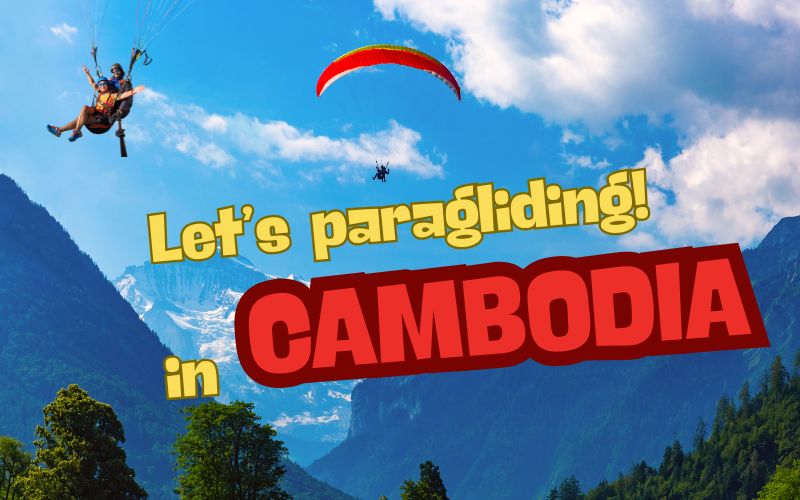
Cambodia offers something different for adventure travelers. The country has low mountain ridges, coastal hills, and open countryside that remain relatively untouched by mass tourism. Instead of crowded launch sites and heavily marketed packages, the experience tends to feel more personal and nature focused. If you are researching paragliding in Cambodia, it is important to approach it with realistic expectations and clear information rather than promotional hype.
What Is Paragliding in Cambodia?
Paragliding in Cambodia refers to tandem or solo flights launched from low hills or suitable natural slopes, entirely dependent on wind and thermal conditions. It is not a mass tourism product but a seasonal, community driven activity. Because the sport is not heavily commercialized in the country, proper research is essential before making plans.
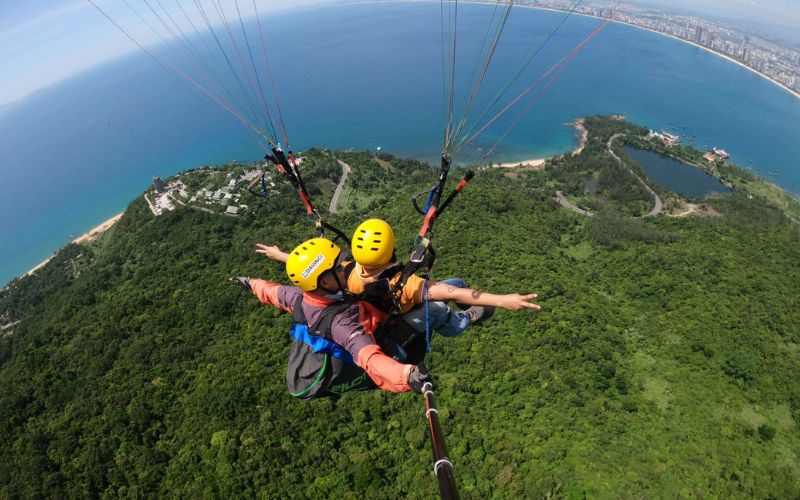
Paragliding
Paragliding itself is a form of free flight using a lightweight fabric wing. The pilot launches on foot from a slope, and the canopy inflates to create lift. Once airborne, the pilot navigates using brake toggles and shifts in body weight, relying on wind direction, rising air currents, and terrain features.
In Cambodia, tandem flights are the most relevant option for visitors. A tandem flight involves a certified pilot and a passenger sharing one wing and harness system. Solo flights, by contrast, are performed by experienced pilots who have undergone formal training and hold appropriate certifications. Cambodia’s paragliding scene remains small, which means flights are often organized informally through local networks rather than large commercial booking platforms. Weather, terrain, and pilot availability determine whether a flight can take place on a given day.
>>> For travelers seeking a broader outdoor experience beyond flying, our guide to trekking in Cambodia combine trekking knowledge, countryside exploration, and coastal landscapes in one balanced itinerary.
Is Paragliding Available in Cambodia?
Yes, paragliding is available in Cambodia, but the number of active flying sites and operators is limited. The activity exists on a small scale and is not offered as a standardized tourism product across the country.
Availability depends largely on local pilot communities and seasonal wind conditions.
Most flights are organized by small groups of enthusiasts or independent pilots rather than established adventure companies. There is no nationwide booking system, and fixed weekly schedules are uncommon. In many cases, flight dates are confirmed only when weather forecasts show suitable wind speed and direction.
The dry season generally offers more stable flying windows, particularly in areas with low mountain ridges or coastal hills. Compared with neighboring countries such as Vietnam or Thailand, Cambodia has fewer established launch sites and less infrastructure supporting paragliding tourism. This does not mean flying is impossible, but it does require flexibility and direct communication with local contacts.
For travelers interested in building a Cambodia itinerary around outdoor experiences, our customized Cambodia private tours can incorporate nature based activities depending on seasonal conditions and availability.
Is Paragliding in Cambodia Safe?
Paragliding in Cambodia can be safe, but the level of safety depends entirely on pilot experience, weather conditions, and equipment standards. There is no centralized national regulatory body specifically overseeing recreational paragliding operations in the way some countries manage air sports. For that reason, due diligence becomes especially important.
An experienced pilot with proper international training or recognized certification significantly reduces risk. Launch technique, in flight decision making, and landing control all require skill built through consistent practice. Asking about a pilot’s background, number of flight hours, and recent flying activity provides a clearer picture than relying on general marketing claims.
Weather is another decisive factor. Wind strength, direction, and thermal activity determine whether a flight is viable. Strong gusts, unstable air, or poor visibility increase risk. Responsible pilots cancel flights when conditions are unsuitable, even if participants are ready to proceed.
Basic tandem equipment should include a certified wing, a passenger harness with back protection, a helmet, and a reserve parachute. Clear safety briefings before takeoff are also part of standard practice in established paragliding communities worldwide.
Cambodia’s paragliding scene remains small and community based. Because of this, verifying information directly with pilots and observing how they assess conditions on site is essential.
>>> For travelers who prioritize structured safety standards within their trip planning, our classic adventure tour to Cambodia in 9 days focus on professionally organized experiences and reliable local partnerships.
When Is the Best Time for Paragliding in Cambodia?
The best time for paragliding in Cambodia is from November to April, during the dry season. These months usually offer more stable wind patterns, clearer skies, and lower rainfall. In practical terms, this period provides the most reliable flying windows across much of the country.
Cambodia weather follows a monsoon cycle. From November to early April, the Northeast monsoon brings drier air and relatively predictable conditions. Visibility improves, storm frequency drops, and wind strength is often more manageable for launch and landing.
From May to October, the Southwest monsoon dominates. This period brings heavier rain, higher humidity, and more unstable air. Sudden gusts and shifting wind directions make flight planning less predictable. Even during the dry season, daily forecasts remain essential. Local terrain can create thermal activity that changes throughout the day.
Because of this variability, most pilots confirm flights only one or two days in advance, once short term forecasts are clear.
Cambodia’s climate varies by region. When planning a broader itinerary that includes coastal areas, countryside exploration, or light adventure, aligning activities with the dry season significantly improves overall trip quality.
Our Cambodia travel specialists can help coordinate seasonal timing across multiple destinations rather than treating each activity in isolation.
>>> Read more: When is the Best Time to Visit Cambodia?
What Are the Best Places for Paragliding in Cambodia?
The best places for paragliding in Cambodia are generally found near low mountain ridges and coastal hills where wind conditions allow safe launch and landing. There are no large commercial paragliding hubs in the country. Flying activity is small scale and depends on local pilot communities and seasonal conditions.
Below are the areas most often associated with occasional paragliding activity.
1. Kampot
Kampot is considered the most promising area for paragliding in Cambodia due to its surrounding hills and open landscapes. The terrain near Bokor Mountain provides elevation without extreme altitude, making it suitable for controlled launches when wind conditions align.
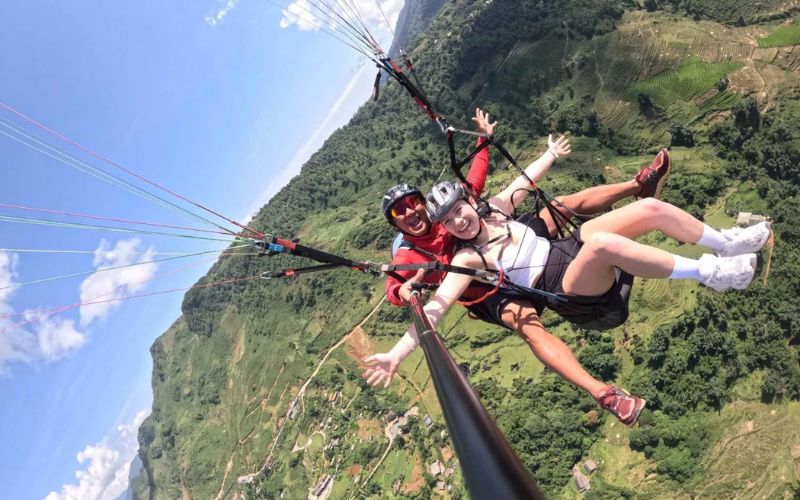
Kampot’s open hills and scenic countryside make it one of the most suitable areas for tandem paragliding for first-time flyers.
Flights in this region typically offer views over countryside fields, rivers, and distant coastline. The landscape remains largely natural and undeveloped compared to busier regional destinations in Southeast Asia. Activity here is not commercialized at scale, and flying windows depend heavily on dry season wind patterns.
Kampot is also known for its relaxed atmosphere, pepper plantations, and access to Bokor National Park, making it a practical base for combining light adventure with slower travel.
Kampot and its surrounding countryside can be integrated into a southern Cambodia itinerary that balances nature, heritage, and coastal scenery.
2. Phnom Penh Surroundings
Paragliding near Phnom Penh is limited but occasionally possible in low hill areas outside the city. These locations are not formal tourism sites. Instead, they are informal flying spots used by small pilot communities when conditions permit.
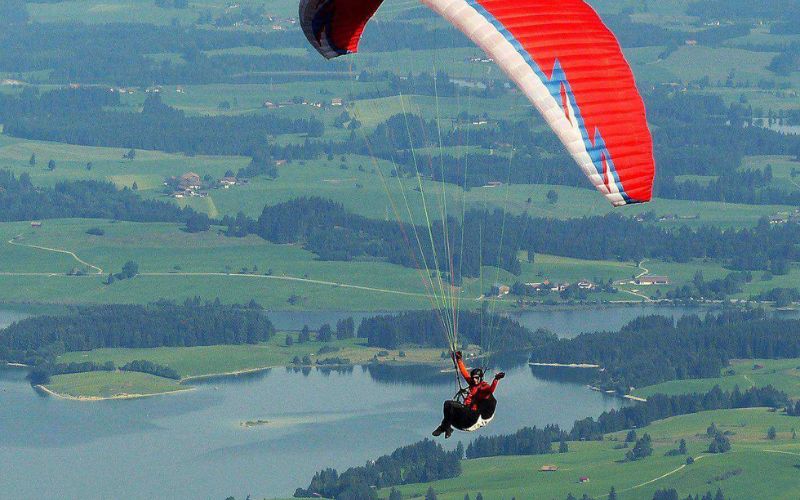
Just outside Phnom Penh, paragliding sites provide wide open views of rivers, lakes, and rural landscapes.
There is no fixed public schedule, and flights are not marketed through mainstream tour operators. Wind direction and safety assessment determine whether activity can proceed on a given day.
While Phnom Penh itself is primarily an urban and cultural destination, its surrounding rural landscapes offer pockets of open terrain. Combining capital city exploration with countryside excursions provides a broader perspective on Cambodia beyond the historical core.
Phnom Penh can serve as a starting point for regional exploration before heading toward coastal or southern provinces.
3. Coastal Areas Near Sihanoukville
Coastal hills near Sihanoukville present theoretical potential for paragliding due to sea breezes and elevation changes. However, consistent public tandem operations are not established year round.
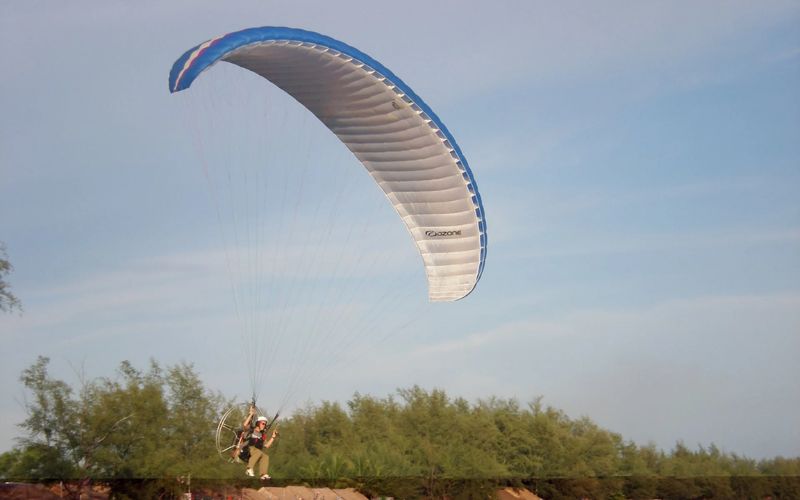
In Sihanoukville, coastal winds and open terrain create opportunities for paragliding with sea views.
Sea winds can create lift under the right conditions, but coastal weather is also variable. Gust strength, humidity, and storm systems during the rainy season limit predictability.
Sihanoukville is better known for island access, beaches, and marine activities. Any paragliding opportunity in this region should be confirmed directly with local pilots rather than assumed to be available on demand.
The southern coast, including nearby islands, remains one of Cambodia’s most diverse regions for combining sea based experiences with inland exploration.
Is Paragliding in Cambodia Worth It?
Paragliding in Cambodia is worth trying for those who understand it is a niche experience rather than a polished mass tourism activity. The appeal lies in natural scenery and low crowd density rather than structured commercial operations. Expectations should align with the country’s small scale flying community.
Flying above Cambodia’s countryside offers a different perspective compared to more developed paragliding destinations. Instead of busy launch sites and dozens of wings in the sky, the setting tends to feel quiet and open. Hills, rice fields, rivers, and distant coastline create wide visual horizons. For some travelers, that simplicity is precisely the attraction.
At the same time, limitations exist. There is no extensive support infrastructure, no guaranteed daily departures, and fewer established operators than in neighboring countries. Scheduling flexibility is necessary.
Communication with pilots may require direct contact rather than instant online booking.
In short, the experience rewards those who value authenticity over convenience. It may not suit travelers looking for tightly scheduled, high frequency adventure packages.
For a balanced Cambodia journey that combines culture, landscape, and selective outdoor activities, structured itineraries can be adjusted around seasonal flying opportunities rather than built entirely around them.
How Much Does Paragliding in Cambodia Cost?
There is no publicly published standard pricing for paragliding in Cambodia because flights are often organized informally and vary by pilot, location, weather, and season. Cambodia does not have a large commercial paragliding market with fixed retail prices, so most cost information comes from regional adventure tour comparisons rather than official price lists.
Typical Price Overview
| Cost Type | Typical Range | Notes |
| Tandem Paragliding Flight (Indicative) | ~$80 – $120/person | Based on regional adventure operators and eco-adventure pricing; actual Cambodia local rates may differ. |
| Transport to Launch Site | Variable | Remote hill systems may require motorcycle pickup or tuk-tuk transfer; prices negotiated locally. |
| Pilot Fee / Arrangement Fee | Variable | Many pilots set their own fee depending on experience and demand; often discussed directly. |
| Equipment Use and Safety Gear | Usually included | Certified wing, harness, helmet, and safety briefing are typically part of the tandem package when available. |
Notes on Pricing: because structured paragliding tours are not widely sold on major booking platforms for Cambodia specifically, these price ranges should be treated as reference numbers rather than guaranteed rates. Actual cost checks should be done directly with local providers at the time of booking. Prices can also vary significantly based on season (higher during dry season) and accessibility of the launch location.
Regional Context for Comparison
| Country | Typical Tandem Flight Price (Benchmark) |
| Vietnam | ~$65 – $80+ |
| Cambodia | ~$80 – $120 |
| Thailand | ~$70 – $120+ |
These benchmarks help set a realistic expectation for Cambodia’s cost positioning relative to nearby paragliding markets.
Because Cambodia’s paragliding scene remains niche and pricing can change with demand, weather, or pilot availability, it is wise to request a detailed quote close to your intended date rather than rely on old or second-hand listings.
For guidance on current local operators, seasonal price trends, and assistance with bespoke outdoor activity budgeting, experienced Cambodia travel planners can provide verified cost estimates tailored to your itinerary.
Practical Tips For Paragliding in Cambodia
Booking paragliding in Cambodia requires preparation because flights depend on weather, pilot availability, and local conditions rather than fixed commercial schedules. Careful planning improves both safety and overall experience quality.
- Check Cambodia weather 2 to 3 days before your planned date: wind direction, gust strength, and visibility determine whether a flight can proceed. Even during the dry season Cambodia experiences, daily conditions can shift quickly. Short term forecasts are more reliable than long range predictions.
- Ask clearly about insurance coverage: some pilots may include basic third party coverage, while others operate without formal insurance packages. Clarifying this detail in advance avoids misunderstandings. Written confirmation is preferable to verbal agreement.
- Verify pilot experience and certification: request information about training background, flying hours, and recent activity. Experienced pilots typically explain safety procedures confidently and assess conditions carefully before launch. Transparent communication is a positive sign.
- Wear appropriate clothing and footwear: closed shoes with good grip are essential for takeoff and landing on uneven terrain. Long pants help protect legs from brush or grass during launch. Avoid sandals or loose items that can fall during flight.
- Do not pay full payment too far in advance: since weather conditions may force cancellation, flexible payment arrangements are safer. Partial deposits or payment upon confirmed weather clearance reduce financial risk.
- Keep expectations realistic: paragliding in Cambodia is a niche, community based activity: flights may not happen on the first attempt due to wind conditions. Building flexibility into the schedule prevents disappointment.
Cambodia offers a wide range of cultural and nature based experiences, so itineraries can remain balanced even if flying conditions are not ideal. Outdoor activities work best when integrated thoughtfully into a broader travel plan rather than treated as a guaranteed fixed event. Contact us for more information!
Read more: