Koh Samui (or Ko Samui) is a tropical island in the Gulf of Thailand known for its accessible beaches, developed infrastructure, and manageable size, which makes it particularly suitable for newcomers to the country. With an international airport, a clear coastal road that circles the island, and well established tourist services, it offers comfort without feeling overwhelming. This is why many travel planners and repeat visitors consider Koh Samui for first-time visitors a practical and reassuring choice, especially for those adjusting to Southeast Asia for the first time.
In this blog, you will find direct answers to essential planning questions, including where Koh Samui is located, when to visit, where to stay, how many days you need, and whether it is a better fit than Phuket for your first trip. The aim is to provide factual, experience based guidance so you can decide confidently if Koh Samui matches your travel pace and expectations. Let’s go!
Where Is Koh Samui and Why Does Its Location Matter?
Koh Samui is located in the Gulf of Thailand, in Surat Thani Province, about one hour by flight from Bangkok. This location matters because it shapes both how easily you can reach the island and what kind of weather patterns you should expect. Unlike Phuket and Krabi, which sit on the Andaman Sea, Koh Samui belongs to the Gulf side of southern Thailand, where monsoon timing is different. For first-time visitors who may not be familiar with Thailand’s regional climate differences, this distinction can directly affect travel comfort and sea conditions.
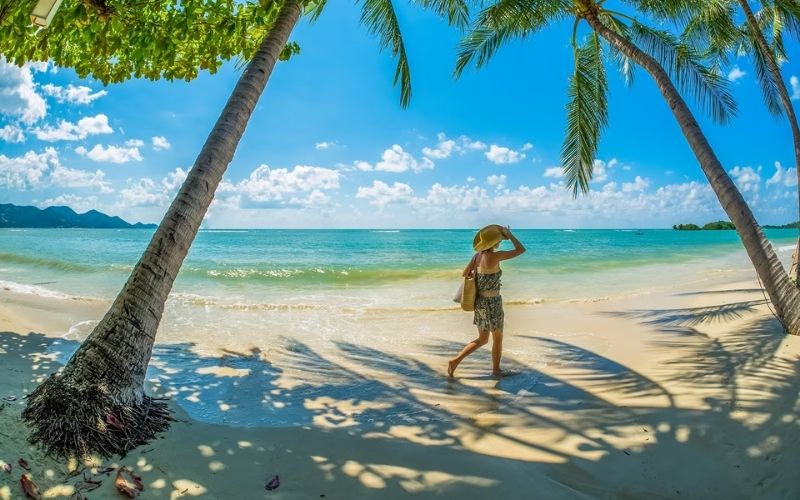
Living the perfect island life under the palm trees of beautiful Koh Samui!
The island is accessible in two main ways:
- The most convenient option is a direct flight from Bangkok to Samui International Airport, operated primarily by Bangkok Airways. The flight takes around one hour.
- A more budget friendly route is to fly to Surat Thani on the mainland and continue by bus and ferry, which takes several additional hours.
Because Koh Samui has its own airport and does not require long overland transfers, it reduces travel fatigue for those arriving from long international flights. Its Gulf position also means that peak rainy months differ from the Andaman coast, which can be an advantage if you are planning around weather.
>>> If you want assistance arranging flights, transfers, and accommodation together, explore our Koh Samui travel packages that include seamless airport pickup and curated island stays for first-time travelers.
When Is the Best Time to Visit Koh Samui for First-Time Visitors?
The best time to visit Koh Samui for first-time travelers is from January to April, when rainfall is lower, the sea is generally calmer, and weather conditions are more predictable. During these months, sunshine levels are high and storms are less frequent, which makes beach time, boat trips, and swimming more reliable. For travelers who want to minimize weather related disruptions on their first Thailand trip, this period offers the most stable conditions.
From May to August, Koh Samui can still be a good choice, with occasional tropical showers but many dry and sunny days in between. The sea usually remains swimmable, and this period can be less crowded than peak winter months. The wettest period typically falls in October and November, when the northeast monsoon brings heavier and more consistent rainfall to the Gulf of Thailand. This differs from Phuket and the Andaman coast, where the heaviest rains usually occur from May to October. Many first-time visitors are unaware of this regional climate difference, so understanding it can help you choose the right island at the right time of year.
What Makes Koh Samui a Good First Island in Thailand?
Koh Samui is a good first island in Thailand because it combines complete tourism infrastructure with a manageable scale and low intensity activities. First-time visitors often need a destination that is easy to navigate, offers reliable accommodation standards, and does not require complicated logistics. Koh Samui provides all of this while still delivering beaches, temples, and natural scenery that feel genuinely Thai rather than staged. It allows newcomers to adjust to the country gradually without feeling isolated or overwhelmed.
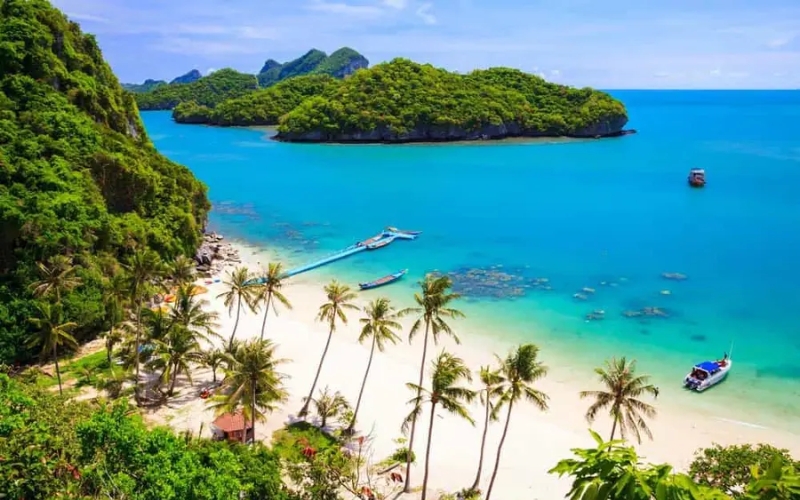
Golden sands and turquoise waters, the perfect welcome to Koh Samui
Beyond comfort, the island’s size, road layout, and clearly defined beach zones make orientation simple within the first day. You do not need advanced planning skills or multiple transfers to move between your hotel, beaches, and sightseeing spots. Most activities are accessible as half day or full day experiences, which suits travelers who want flexibility. Below are the specific reasons why Koh Samui works particularly well as a first island.
A Compact Island That Is Easy to Understand
Koh Samui covers approximately 228 square kilometers and can be circled by car in about one hour without stops. This compact geography makes it far easier to understand than larger destinations like Phuket. Major beaches such as Chaweng, Bophut, and Lamai are connected by a main ring road, so travel between them is straightforward.
For first-time visitors, this matters more than it may seem. When you arrive in a new country, especially after a long flight, simple orientation reduces stress. You can choose a beach area that fits your travel style without worrying that you are too far from the airport or main services. Hotels, restaurants, clinics, and tour operators are concentrated in defined zones, which adds an extra layer of comfort.
>>> If you prefer an island that is easy to navigate without constant transfers, our Thailand island discovery tours are designed around short travel times and well located accommodation.
Beaches That Are Swimmable and Accessible
Koh Samui has several beaches with relatively calm water and soft sand that are easy to access directly from hotels. For most of the year outside the main monsoon months, sea conditions are suitable for swimming, especially along the east coast.
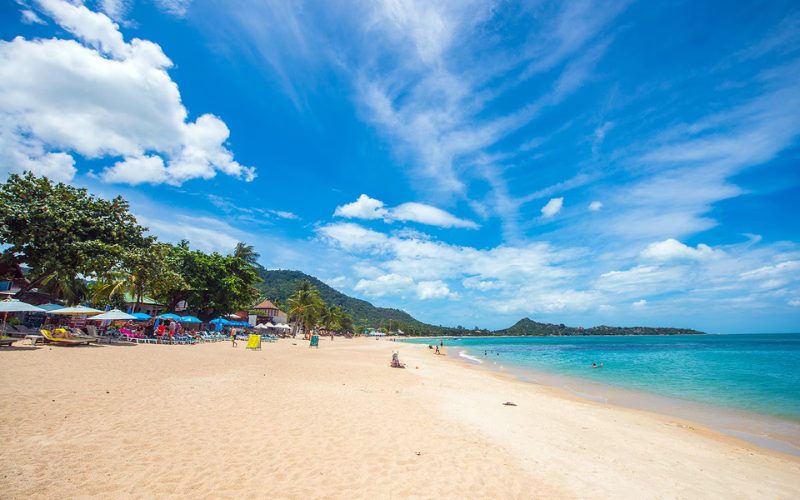
Lamai Beach in Koh Samui, Thailand
- Chaweng Beach: is the most developed and lively beach on the island. It offers a long stretch of sand, clear water in dry season months, and proximity to Samui International Airport. This area is convenient for first-time visitors who want restaurants, shops, and services within walking distance.
- Bophut Beach: is quieter and located near Fisherman’s Village, which is known for its evening dining scene and weekly walking street market. The atmosphere is more relaxed than Chaweng, and many boutique resorts here appeal to couples and families.
- Lamai Beach: sits between Chaweng and the quieter southern parts of the island. It is generally less crowded than Chaweng while still offering good swimming conditions during stable weather months.
Sea conditions vary by season. During October and November, waves can be stronger and visibility reduced due to the northeast monsoon. From January to April, water is usually calmer and clearer, especially on the east facing beaches.
Cultural Landmarks That Are Easy to Visit
Koh Samui is not only about beaches. The island also offers accessible cultural landmarks that can be visited without long transfers or deep historical knowledge.
- Wat Phra Yai (Big Buddha Temple): features a 12 meter tall golden Buddha statue built in 1972. It is one of the island’s most recognized landmarks and located on a small offshore island connected by causeway. Visitors should dress modestly with shoulders and knees covered when entering temple areas.
- Wat Plai Laem: is a modern temple complex known for its large statue of Guanyin with multiple arms. The site reflects Chinese and Thai Buddhist influences and is easy to combine with a visit to the Big Buddha in a single morning.
These sites provide a light cultural introduction rather than an intensive historical tour, which suits travelers who want context without committing to a full heritage focused itinerary.
Easy Access to Nature Without Extreme Adventure
First-time travelers can experience nature in Koh Samui without needing advanced skills or high fitness levels. Many excursions are structured as guided day trips with hotel pickup and return.
Mu Ko Ang Thong National Marine Park
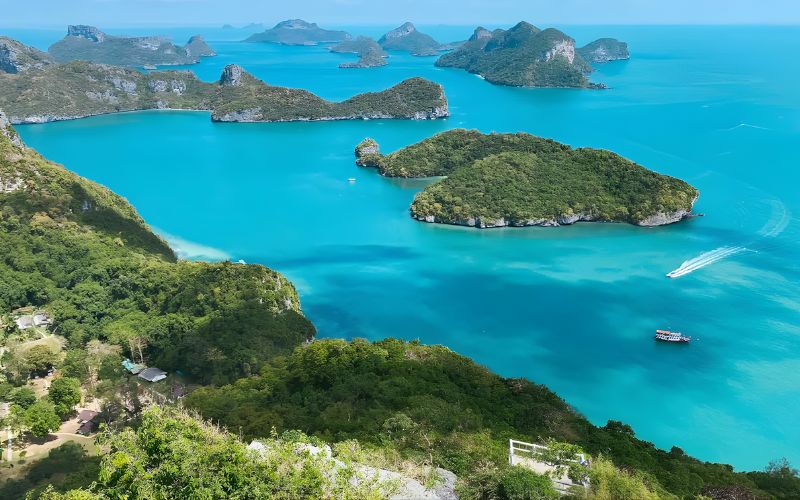
Mu Ko Ang Thong reveals untouched islands, clear waters, and panoramic viewpoints that define Thailand’s coastal beauty.
Mu Ko Ang Thong National Marine Park is a protected archipelago northwest of Koh Samui. Day tours typically include boat transfer, snorkeling, kayaking, and a viewpoint hike overlooking the Emerald Lake. The park is officially designated as a national marine park and is managed for conservation, making it one of the most scenic excursions in the region.
Waterfalls and Inland Viewpoints
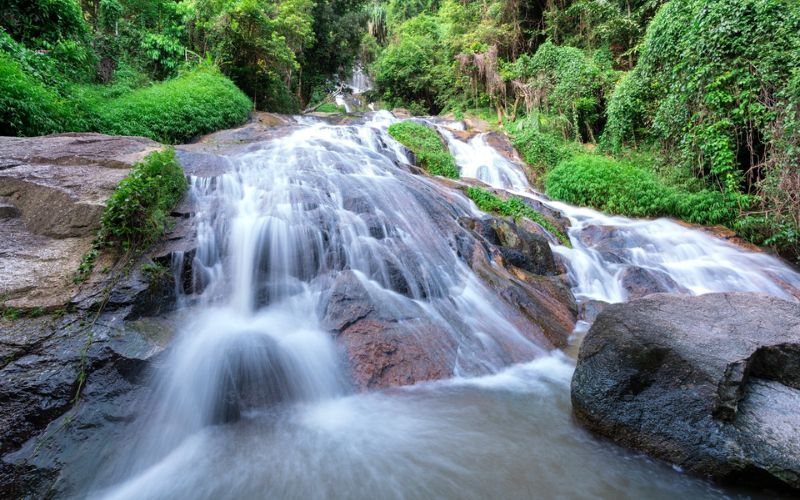
Koh Samui surprises visitors with jungle trails and waterfalls like Na Muang, perfect for a refreshing break from the sun.
Na Muang Waterfall is one of the island’s most visited inland natural sites. Accessible paths allow visitors to reach lower levels without technical hiking. Several inland viewpoints also provide panoramic views over the coastline and hills.
These experiences allow newcomers to explore tropical landscapes in a structured and safe way.
Where Should First-Time Visitors Stay in Koh Samui?
The best area to stay in Koh Samui for first time visitors is usually Chaweng or Bophut, depending on whether you prefer convenience and activity or a quieter atmosphere. Both areas offer easy beach access, reliable hotel standards, and proximity to restaurants and transport services. Choosing the right base matters because Koh Samui is compact, but each beach area has a distinct character that shapes your experience.
For travelers searching online for the best area to stay in Koh Samui for first time, the decision often comes down to pace. Do you want to walk to nightlife and shops, or do you prefer sunset dining and a slower rhythm? Below is a realistic breakdown to help you decide.
Chaweng
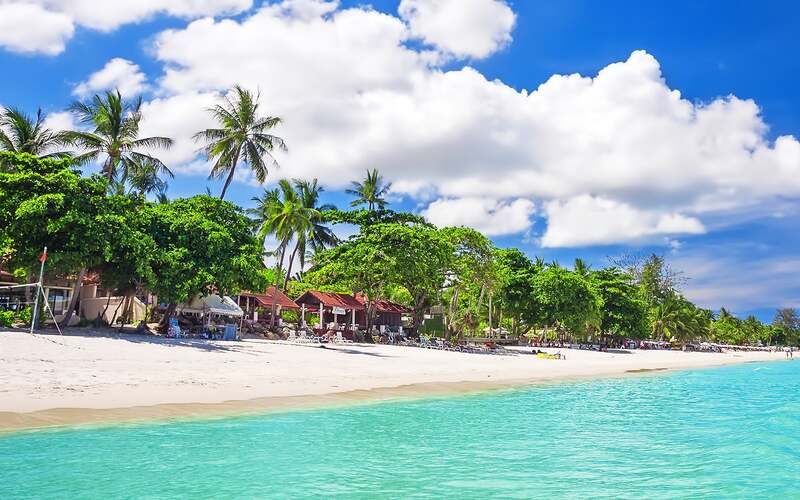
Chaweng Beach
Chaweng is the most developed and centrally located beach area on the island. It is close to Samui International Airport and offers the widest range of hotels, from mid range resorts to higher end beachfront properties. Restaurants, cafes, beach clubs, and shopping options are concentrated here, making it convenient for visitors who do not want to rely heavily on transport.
This area suits first-time travelers who value easy access to services and do not mind a lively environment, especially during peak season.
Bophut and Fisherman’s Village
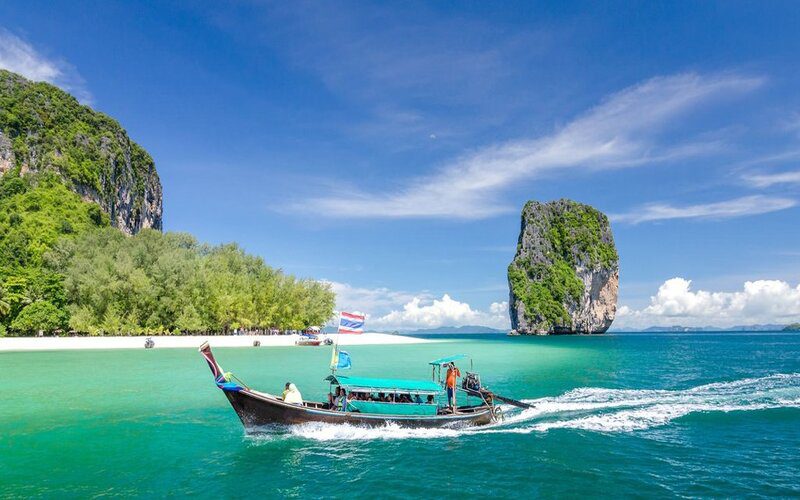
Bophut Beach
Bophut, located on the north coast, offers a more relaxed setting while still maintaining strong tourism infrastructure. The nearby Fisherman’s Village area is known for its evening dining scene and weekly walking street market. Boutique resorts and beachfront hotels here tend to attract couples and families seeking a calmer atmosphere. Bophut is ideal for travelers who want comfort and charm without the busier nightlife of Chaweng.
Lamai
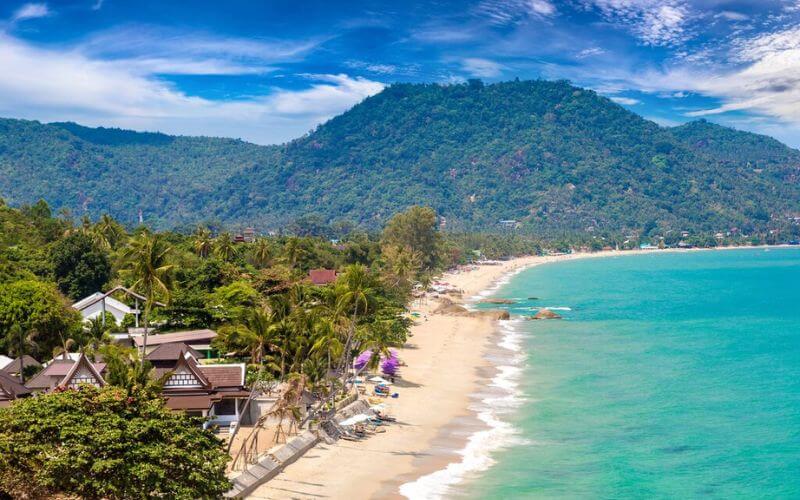
Lamai Beach, Koh Samui
Lamai Beach provides a middle ground between Chaweng and quieter southern areas. It is less crowded than Chaweng but still offers restaurants, bars, and good beach access. Accommodation here can be more moderately priced, making it attractive for travelers balancing comfort and budget.
How Many Days Do You Need in Koh Samui for a First Trip?
Most first time visitors should spend 4 to 5 nights in Koh Samui to enjoy the island without rushing between activities. This length of stay allows you to combine beach time, at least one marine excursion, and light cultural visits while still having time to relax. Shorter stays are possible, but they often feel compressed, especially after long international travel.
- If you stay 4 nights, you can enjoy basic beach relaxation and perhaps one organized day trip, such as a visit to Mu Ko Ang Thong National Marine Park.
- With 5 nights, you gain flexibility to explore different beaches, visit temples like Wat Phra Yai, and include a nature excursion without feeling pressured by tight schedules.
- 6 nights or more opens the option of combining Koh Samui with nearby islands such as Koh Phangan or Koh Tao, both reachable by ferry.
However, for a first Thailand trip, it is usually better to focus on one island rather than attempting to move between multiple destinations in a short time.
Spreading your time across too many islands can reduce the quality of the experience due to packing, transfers, and ferry schedules. A well paced stay in Koh Samui provides a smoother introduction to island travel in Thailand.
>>> If you are planning your itinerary and want help balancing relaxation and exploration, explore Thailand Tour For 2 Weeks designed for first time Thailand visitors.
Is Koh Samui Better Than Phuket for First-Time Thailand Visitors?
Koh Samui is often better for first time Thailand visitors who want a compact island that is easy to navigate and less overwhelming than Phuket. While both islands offer international airports, beach resorts, and organized tours, their scale and seasonal climate patterns differ significantly. For newcomers who prefer a simpler layout and shorter travel distances between beaches, Koh Samui can feel more manageable.
Below is a practical comparison to help you decide based on travel priorities.
| Criteria | Koh Samui | Phuket |
| Island size | About 228 square kilometers | About 543 square kilometers |
| Atmosphere | More compact and relaxed | Larger and more varied, with busier zones |
| Peak rainy season | October to November | May to October |
| Airport access | Direct flights from Bangkok to Samui Airport | Direct flights from Bangkok and many international routes |
| Ease of orientation | Main ring road makes navigation simple | Larger distances between key areas |
Koh Samui’s strength lies in its manageable geography and concentrated beach areas such as Chaweng, Bophut, and Lamai. Phuket offers greater variety in beaches and nightlife but requires longer transfers between different parts of the island. Climate timing is another key factor. Koh Samui experiences its heaviest rainfall typically in October and November, while Phuket’s wettest period usually runs from May through October due to the southwest monsoon in the Andaman Sea.
Practical Tips for First-Time Visitors to Koh Samui
Koh Samui is straightforward to visit, but understanding a few key practical points in advance will make your first trip smoother and more comfortable. Below are essential tips presented clearly, followed by brief explanations so you know why they matter.
- Use Thai Baht for daily expenses: although hotels and larger restaurants accept credit cards, many local eateries, markets, taxis, and small shops operate on cash. ATMs are widely available across Chaweng, Bophut, and Lamai.
- Confirm taxi fares before starting the ride: most taxis in Koh Samui do not consistently use meters, and prices are typically agreed upon in advance. Songthaews operate on shared routes, but private hires require negotiation.
- Avoid renting a motorbike if you are inexperienced: motorbike rental is common, but traffic patterns, road curves, and weather conditions can be challenging for first-time visitors. Insurance coverage may not apply if you do not hold a valid license for the vehicle type.
- Dress modestly when visiting temples: sites such as Wat Phra Yai and Wat Plai Laem require shoulders and knees to be covered. This is a cultural norm in Thailand and shows respect for religious spaces.
- Plan marine excursions carefully during October and November: these months are typically the wettest period in Koh Samui due to the northeast monsoon. Sea conditions can affect tours to Mu Ko Ang Thong National Marine Park, and cancellations are more likely.
- Choose your beach area carefully before booking accommodation: Chaweng is lively and convenient, Bophut is calmer and more boutique oriented, and Lamai offers a middle ground. Selecting the right area reduces unnecessary daily transport.
>>> If you prefer assistance arranging transfers, selecting the right beach area, and scheduling tours according to season, explore our Thailand beach holidays & vacation packages.
Koh Samui is the right start for many first time visitors to Thailand because it offers balance rather than extremes. It is not a remote island that requires complicated transfers, and it is not a high intensity party destination either. Instead, it provides accessible beaches, light cultural landmarks, and structured nature excursions within a manageable setting. For travelers adjusting to Southeast Asia for the first time, that balance creates confidence.
If you are planning your first trip to Thailand and want guidance that goes beyond generic online advice, let us design for you a Koh Samui itinerary that truly fits your pace and expectations. Our local travel specialists can help you choose the right beach area, the right season, and the right balance between relaxation and exploration. Reach out to us today to start planning your Koh Samui journey with confidence and clarity.
Read more: