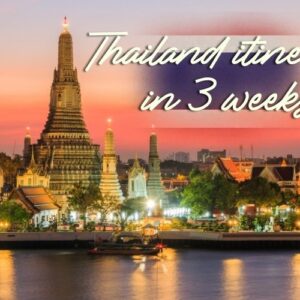
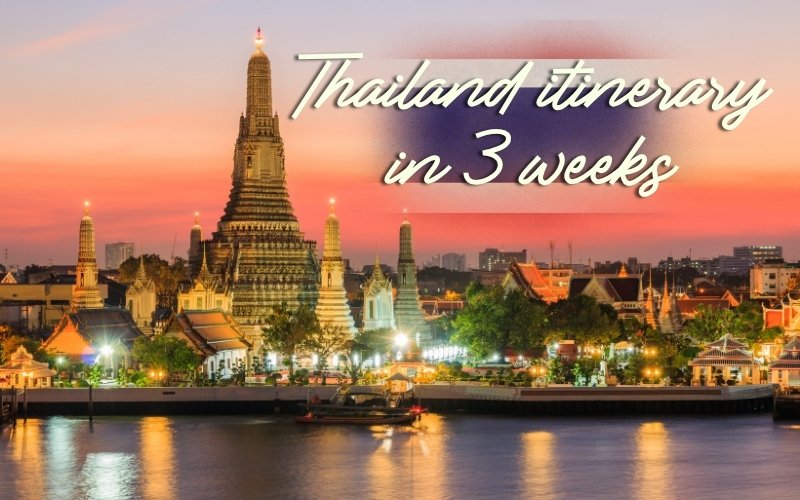
A three-week itinerary is the ideal amount of time to experience Thailand without rushing from place to place. With twenty-one days, travelers can move through the country’s cultural heartlands, northern mountains, and southern islands at a balanced pace, gaining a deeper sense of local traditions, landscapes, and daily life. This duration suits those who want a meaningful blend of culture, nature, and beach relaxation. It also works well for families who prefer slower travel, couples seeking a mix of adventure and downtime, and solo travelers who want flexibility without sacrificing comfort.
This guide brings you a complete Thailand Itinerary in 3 Weeks, including day-by-day routes, budget insights, hotel recommendations by area, and practical travel tips. Whether you’re planning your first trip or returning to explore more of the country, the following sections will help you design a journey that fits your style. Let’s dive into the details together with IDC Travel.
Best Time to Visit Thailand
The best time to visit Thailand is from November to February, when the weather is cool, dry, and comfortable. This period offers the most pleasant conditions for sightseeing, island trips, and outdoor activities.
Thailand’s climate is generally divided into high, shoulder, and low seasons. The high season, from November to February, offers the most pleasant weather with cooler temperatures and minimal rain, making it ideal for both cultural exploration and island visits. The shoulder season, March to May and September to October, can feature hotter days and occasional rain but often comes with fewer crowds and better hotel deals. The low season, mainly June to October, sees heavy rainfall in many regions, particularly the west coast islands, which can disrupt ferry schedules and outdoor activities.
>>> If you want to know more detail about the best time to travel to Thailand, click here.
Must-Visit Places for a 3-Week Thailand Itinerary
1. Bangkok: Sukhumvit and Riverside
Sukhumvit is one of Bangkok’s most convenient areas for travelers who want quick access to the BTS Skytrain, international dining, and modern malls. Budget travelers can find compact boutique hotels around Asok and Phrom Phong, while mid-range properties offer rooftop pools, spacious rooms, and easy transport connections. Luxury travelers will appreciate stylish high-rise hotels with skyline views and excellent service.

Modern skylines or traditional riverside charm — Thailand offers the best of both worlds!
Along the Riverside, the atmosphere becomes calmer and more scenic. This area is ideal for couples or families seeking a relaxed stay, with luxury riverside resorts offering spacious rooms, impressive breakfasts, and boat shuttles to major attractions.
2. Chiang Mai: Old City and Nimman
The Old City is the best base for first-time visitors looking to explore temples, markets, and cultural attractions on foot. The area features affordable guesthouses for budget travelers, while mid-range boutique hotels blend traditional design with modern comfort.
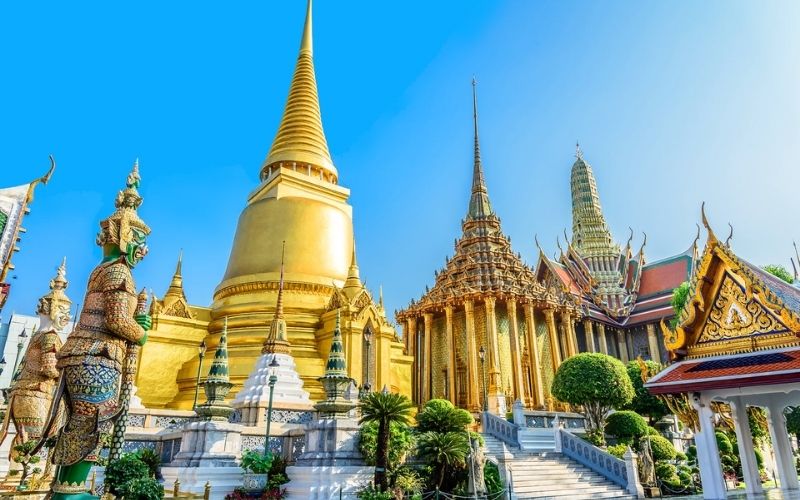
The breathtaking, golden splendor of Bangkok’s Old City is truly an architectural marvel!
Nimman is trendier and suits travelers who enjoy cafés, creative spaces, and a more modern atmosphere. Boutique hotels and stylish serviced apartments are common here, making it ideal for digital nomads, couples, and long-stay visitors seeking convenience and comfort.
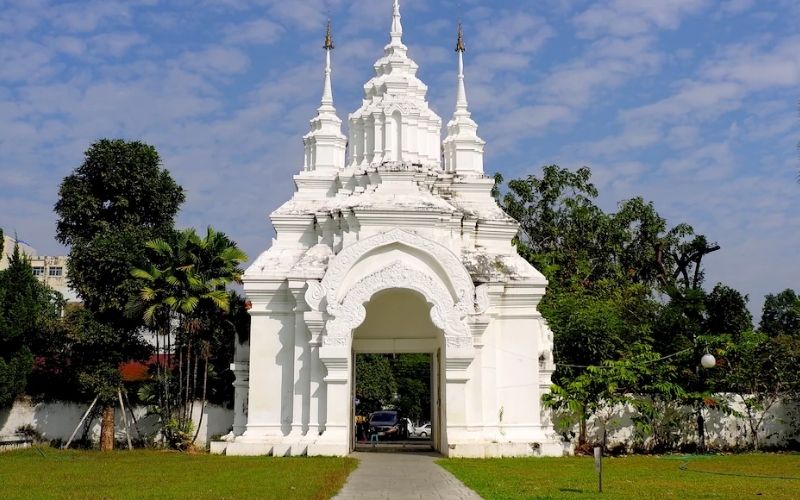
Discovering peaceful, striking architecture near the vibrant Nimman area of Chiang Mai.
3. Phuket: Patong, Karon, and Kata
Patong is lively and packed with restaurants, nightlife, and a wide range of budget hotels. It’s suitable for travelers who want an energetic atmosphere and convenient beach access.
Karon offers a quieter environment but remains family-friendly, with many mid-range hotels providing good facilities and easy access to a long stretch of beach.
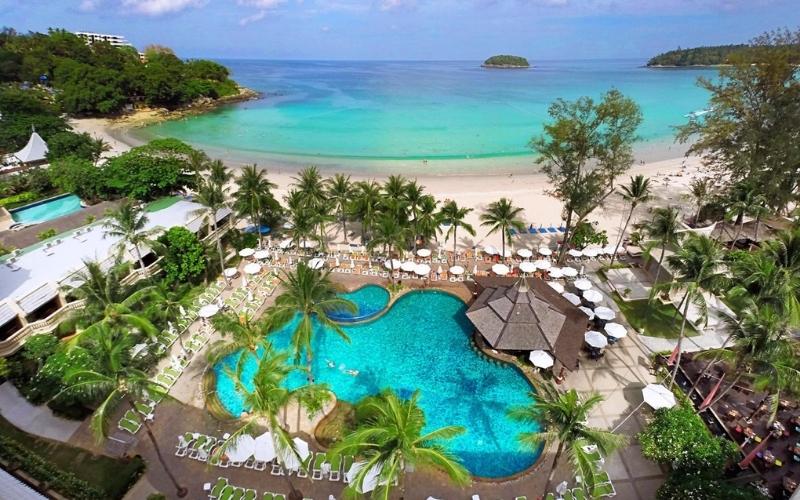
Paradise found: enjoying the perfect blend of resort luxury and natural beauty at Kata Beach, Phuket!
Kata is more scenic and relaxed, appealing to couples and travelers who prefer a softer pace. Here, boutique resorts and upscale properties overlook beautiful bays, creating an ideal base for beach-focused stays.
4. Krabi: Ao Nang and Railay
Ao Nang is the most practical area for visitors who plan to join island-hopping tours. It has a broad selection of budget and mid-range hotels, along with restaurants and transport options within walking distance.
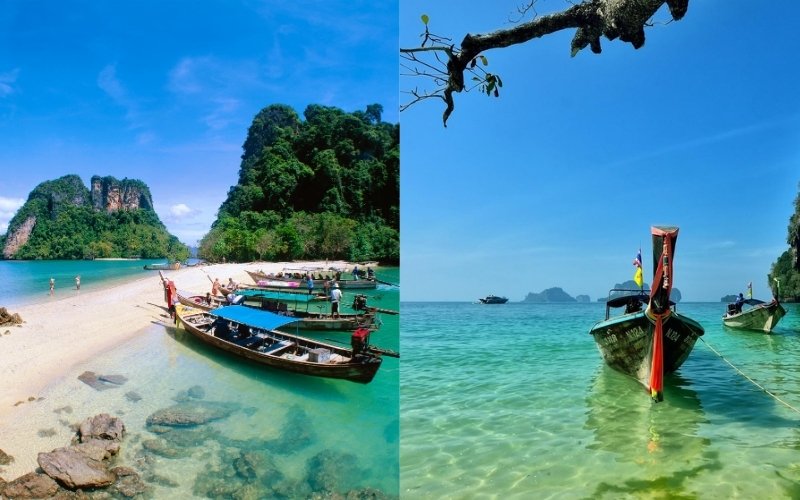
The turquoise waters and stunning limestone cliffs of Railay Beach and Ao Nang are absolute paradise!
Railay, reachable only by boat, feels more secluded and atmospheric. It’s known for dramatic limestone cliffs, clear waters, and a peaceful environment. Travelers looking for scenic beauty and comfort can choose from mid-range beach resorts to luxury hideaways perfect for a relaxed stay.
5. Koh Samui: Chaweng and Lamai
Chaweng is vibrant and central, offering accommodations for all budgets. Budget hotels sit close to the beach, while mid-range and luxury properties provide private pools, beachfront access, and modern facilities.

Living the perfect island life under the palm trees of beautiful Koh Samui!
Lamai is quieter and more laid-back, making it well-suited for families or couples. Many mid-range resorts deliver excellent value, and luxury beachfront villas offer privacy along calm swimming areas, ideal for a peaceful getaway.
Must-Do Experiences for a 3-Week Thailand Itinerary
1. Street Food Exploration
Street food is an essential part of experiencing Thailand. In Bangkok, Chiang Mai, and Phuket, travelers can sample dishes like pad thai, grilled skewers, and coconut ice cream at night markets and food streets. These locations offer authentic flavors at affordable prices and give visitors a look into local eating habits and culinary traditions.
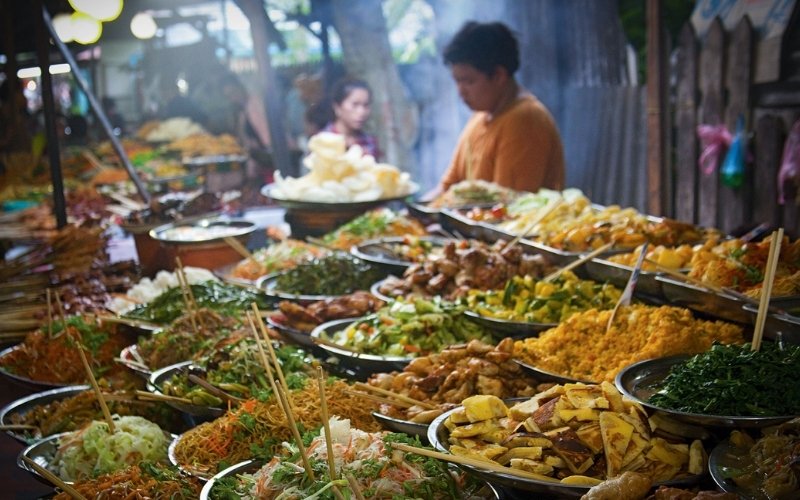
Dive into the delicious and colorful world of Thai street food—an absolute feast for the senses!
2. Traditional Thai Massage
A Thai massage is both a wellness activity and a cultural experience. Whether you choose a local massage shop or a spa, the technique blends stretching, pressure points, and rhythmic movements. It is an excellent way to relax after long sightseeing days and is typically more affordable than spa treatments in many other countries.
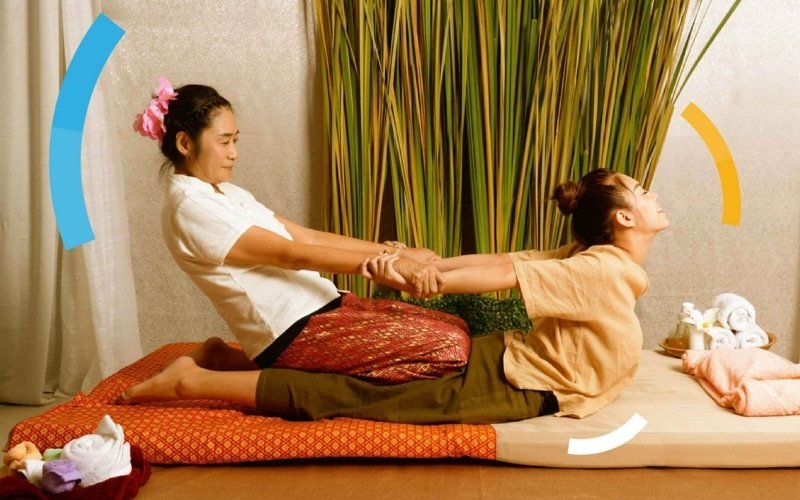
Experience the ultimate relaxation and rejuvenation with a traditional Thai massage.
3. Island Snorkeling and Marine Life
Snorkeling is one of the highlights of a trip to southern Thailand. The waters around Phuket, Krabi, Koh Phi Phi, and Koh Lipe are known for rich marine life, crystal-clear visibility, and easy access from beaches or day tours. Many operators provide equipment and guided routes, making it suitable for beginners and experienced snorkelers alike.

A magical moment swimming alongside a sea turtle in the incredible clear waters of Thailand!
4. Thai Cooking Class
Joining a cooking class is a meaningful way to learn about Thai ingredients, techniques, and flavors. Classes in Chiang Mai and Bangkok typically include a market visit before hands-on preparation of popular dishes such as green curry, tom yum, and mango sticky rice. Travelers leave with practical skills and a deeper appreciation for Thai cuisine.
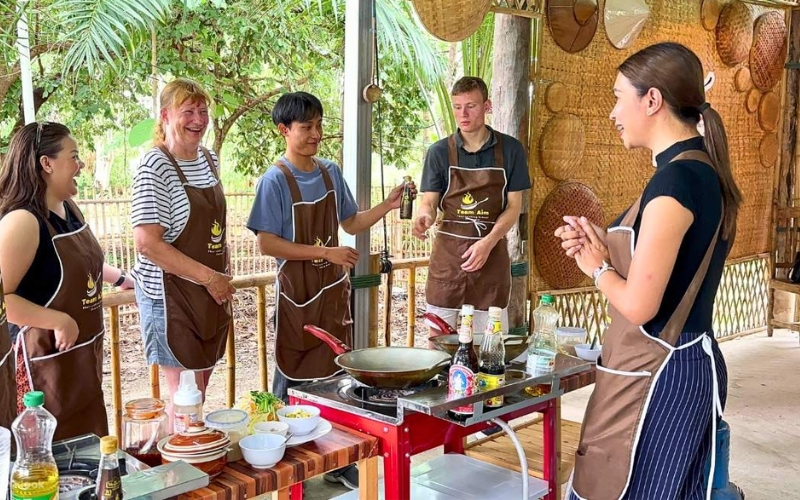
Mastering the art of authentic Thai cuisine in a fun and hands-on cooking class!
5. Ethical Elephant Sanctuary Visit
Visiting an ethical elephant sanctuary offers an educational and responsible wildlife experience. Reputable sanctuaries in Chiang Mai and Chiang Rai focus on rescue, rehabilitation, and proper care. Travelers can observe elephants in natural environments, learn about conservation challenges, and support ethical tourism practices.

Seeing these magnificent creatures happy and free in an ethical Thai sanctuary is truly heartwarming!
6. Night Markets and Local Shopping
Night markets are central to Thai culture and provide a mix of food, handmade crafts, clothing, and souvenirs. Markets such as Chiang Mai’s Sunday Walking Street, Bangkok’s Ratchada Train Market, and Phuket’s Weekend Market give visitors a vibrant atmosphere to browse, taste, and interact with local vendors.
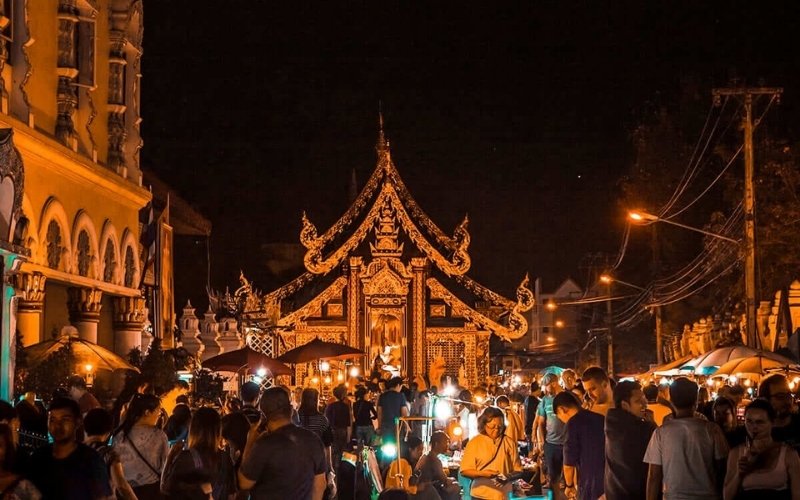
The electric energy of Chiang Mai’s Night Market, with a golden temple backdrop.
7. Temple Visits and Cultural Tours
Thailand’s temples offer insight into the country’s history, architecture, and spiritual life. Key experiences include exploring the Grand Palace and Wat Pho in Bangkok, visiting Wat Phra That Doi Suthep in Chiang Mai, and discovering the White Temple in Chiang Rai. Guided tours provide context and storytelling that enrich the experience.
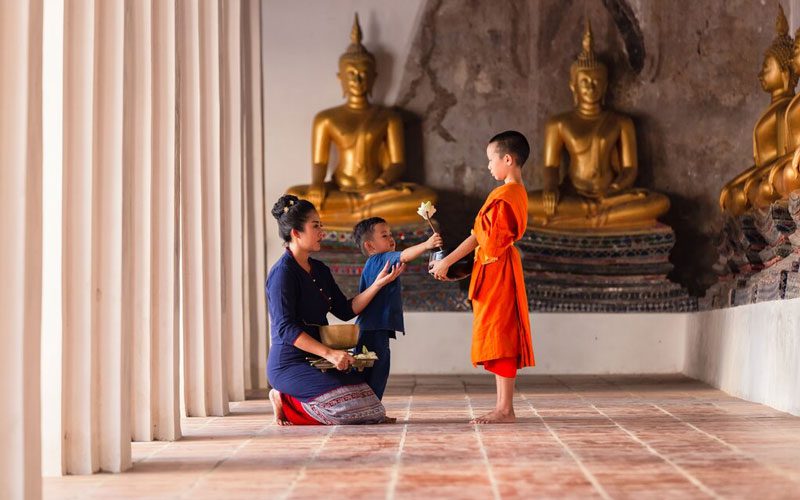
Discover Thailand’s serene temples
Suggested Thailand Itinerary in 3 Weeks
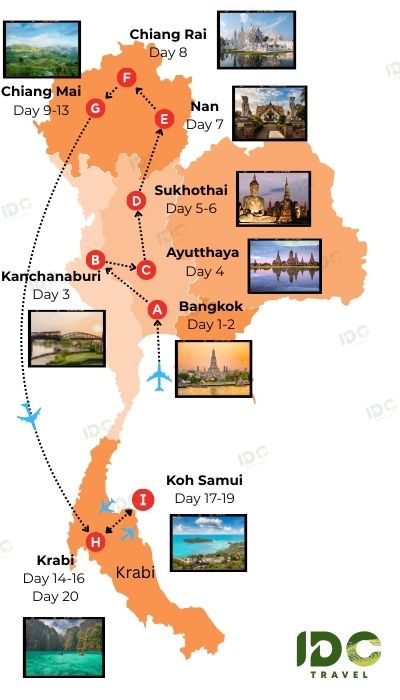
DAY 1 – Bangkok
DAY 2 – Bangkok City Tour
DAY 3 – Bangkok → Kanchanaburi
DAY 4 – Erawan NP → Ayutthaya
DAY 5 – Ayutthaya → Sukhothai
DAY 6 – Sukhothai Bike Tour
DAY 7 – Sukhothai → Nan
DAY 8 – Nan → Chiang Rai
DAY 9 – Golden Triangle → Chiang Mai
DAY 10 – Chiang Mai City Tour
DAY 11 – Doi Inthanon NP
DAY 12 – Elephant Camp or Cooking Class
DAY 13 – Day Trip to Pai
DAY 14 – Chiang Mai → Krabi
DAY 15 – Free Day in Krabi
DAY 16 – Krabi Kayaking
DAY 17 – Krabi → Koh Samui
DAY 18 – Koh Samui Full-day Tour
DAY 19 – Free Day in Koh Samui
DAY 20 – Koh Samui → Krabi → Departure
>>> View more detail in Untouched Beauty of Thailand in 20 Days Tour
If this suggested route isn’t exactly what you’re looking for, don’t worry! You can browse more Thailand packages on our website, or for the ultimate personalized experience, reach out to us today. We specialize in creating flawless, customized travel plans.
Thailand Travel Tips & Personal Experience
- Packing for a Three-Week Trip: Pack lightweight, breathable clothes, comfortable walking shoes, sandals for beach days, plus essentials like sunscreen, insect repellent, a reusable water bottle, a small first-aid kit, and basic laundry supplies.
Explanation: Thailand’s tropical climate and long itineraries require easy-dry clothing, protection from sun and insects, and simple laundry options to stay comfortable throughout the three weeks. - Combining Work and Travel: Choose accommodations and cafés with strong Wi-Fi, plan work sessions around early mornings or evenings, and use coworking spaces in major cities.
Explanation: Bangkok, Chiang Mai, and Phuket offer reliable work-friendly environments that help remote workers stay productive without sacrificing travel experiences. - Most Valuable Experiences: Focus on authentic, culture-rich activities like night markets, cooking classes, ethical elephant sanctuaries, and slow exploration of local towns.
Explanation: Immersive interactions and observing daily life create deeper memories than rushing through popular attractions. - Lessons Learned: Carry cash, check regional weather, book transport early in peak seasons, and keep your schedule flexible with buffer days.
Explanation: Many small vendors don’t accept cards, weather varies widely by region, and flexibility helps avoid stress during unexpected delays. - Choosing Domestic Flights Wisely: Book morning or mid-day flights, reserve early for better prices, and review luggage policies of budget airlines.
Explanation: These time slots are less prone to delays, peak seasons fill up quickly, and low-cost carriers often charge extra for baggage. - Navigating Northern Thailand by Bus and Train: Use the Bangkok–Chiang Mai overnight sleeper train and expect winding roads on minivan routes to Pai or Mae Hong Son.
Explanation: Sleeper trains save time and accommodation costs, while northern routes offer scenic but curvy mountain journeys. - Understanding Ferry Routes to the Islands: Arrive early, monitor seasonal schedules, stay flexible during bad weather, and consider speedboats for faster travel.
Explanation: Ferry frequency varies by season, weather affects travel times, and speedboats shorten routes but can be bumpier. - Avoiding Overpriced Taxis and Scams: Use Grab or Bolt, confirm taxi meter usage, agree on tuk-tuk fares, and check insurance when renting scooters.
Explanation: These steps prevent overcharging and ensure safer, more transparent transportation across cities and islands. - Essential Apps for Transport Planning: Rely on Grab or Bolt for city rides and use 12Go to compare and book buses, trains, ferries, and flights for multi-stop trips.
- Explanation: These apps simplify transportation planning and keep a three-week itinerary organized and efficient.
A 3-week tour through Thailand is the perfect way to experience the country at a relaxed, meaningful pace – blending culture, nature, beaches, and local life without feeling rushed. With a well-planned itinerary, clear seasonal guidance, carefully chosen accommodations, must-do activities, and practical travel tips, travelers can explore Thailand’s iconic cities, northern highlands, and southern islands with confidence. If you’re considering a Thailand adventure and want a seamless, customized 3-week tour, feel free to contact us – IDC Travel – we’re here to help you design the perfect trip.
Read more: